What should you look for when choosing?
First, check whether the echo is in the saved file: RØDE explains that listening directly and through recording software at the same time can cause echo with USB microphones. Then weigh up microphone position, freedom of movement, connectivity and how well the headset preserves the sound of your intended voice.
| What to consider |
What to look for |
Who is this important for? |
| Reverberation in the recording |
Listen to the saved file and test the microphone boom beside your mouth with both a normal and a loud voice. |
If I want my puppet voice to stay clear in a reverberant room, I test the position and make a recording first. Around 36% of consumers give reducing audible room reverberation top priority. |
| Freedom of movement |
Act out a scene and check that the boom stays in place and the cable doesn’t rub. |
When I move my head and arms while puppeteering, I want the microphone to stay close to my mouth. Around 29% of consumers put freedom of movement first. |
| Connectivity |
Check your device’s microphone and headphone ports, and which cables come with the headset. |
I want to be able to record with the equipment I already have, without guessing whether a plug carries both signals. Around 21% of consumers make connectivity their top priority. |
| Preserving the sound of your voice |
Record the same sentence with the available input processing switched on and off, then compare the files. |
If I want to capture a character voice in a recognisable way, I check how processing affects the recorded sound. Around 14% of consumers put preserving the intended sound of the voice first. |
Headsets at Joybuy
This selection includes headsets you can consider for recording with a wearable microphone. Check the connection and make a test recording in the room where you plan to record your puppet voice.
 No image available
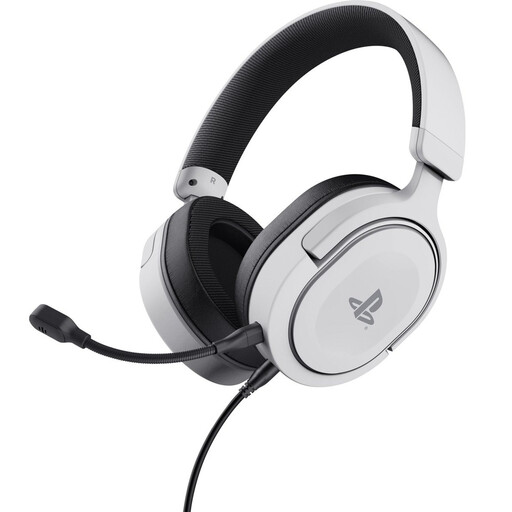
Trust GXT 498W Forta Gaming Headset, White
A wired headset to consider if you want to record with a wearable microphone while puppeteering; test whether the microphone position works for your voice.
Features named in the product title: wired, over-ear, white version and 50mm drivers.
Joybuy
 No image available
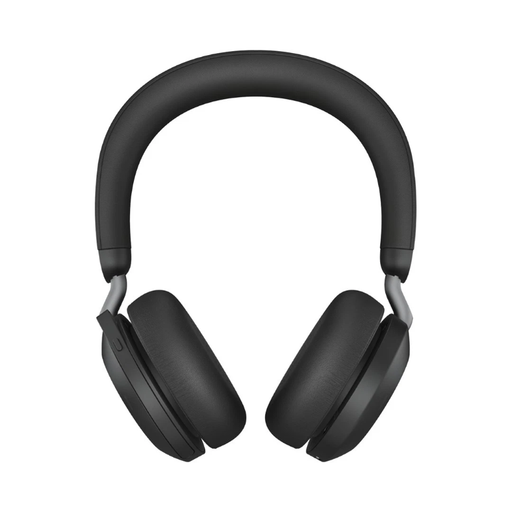
Jabra Evolve2 75 Headset
A headset to consider if you don’t want to hold a separate microphone while recording. Make a test recording to check how your voice and the room reverberation sound in your space.
Joybuy
 No image available
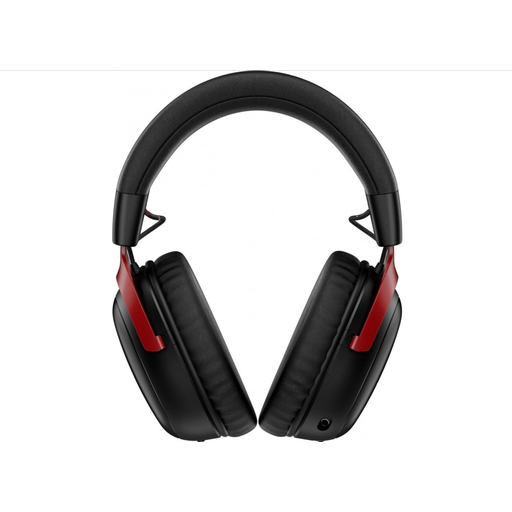
HyperX Cloud III S Gaming Headset, Black/Red
A headset to consider if you want a wearable solution while recording; assess your voice and any reverberation in a recording made in your own room.
The product title lists the Black/Red colour option.
Joybuy
 No image available
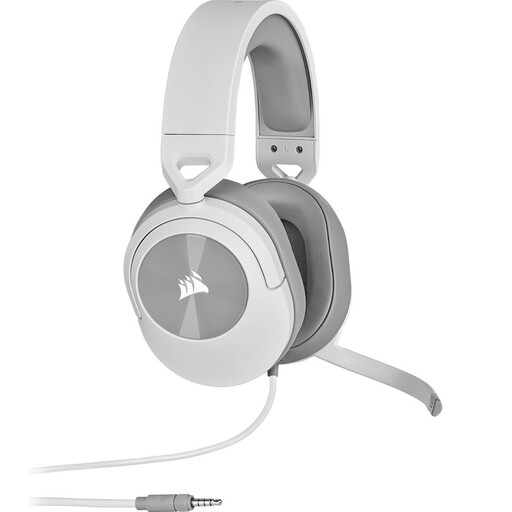
Corsair HS55 Stereo Gaming Headset, White, 3.5mm
A wired option to consider if you’re looking for a headset with a 3.5mm connection. Check that the microphone and headphone connections are compatible with your recording device.
The product title lists a 3.5mm connection and the white version.
Joybuy
 No image available
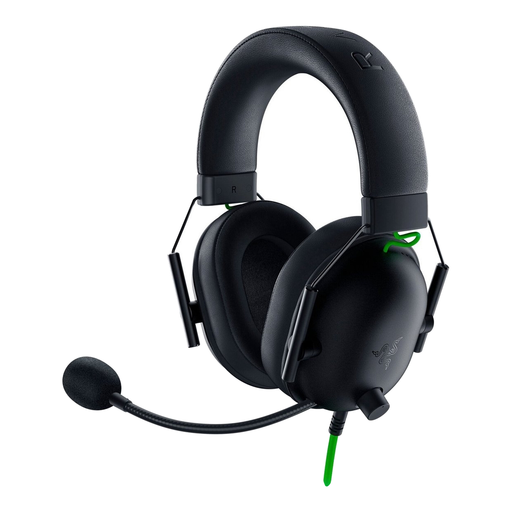
Razer Blackshark V2 X 7.1 Wired Gaming Headset, Black
A wired headset to consider if you’re looking for a wearable microphone solution while recording. Make a test recording and check that the boom stays in the right position by your mouth.
The product title lists the 7.1 Wired designation and the black version.
Joybuy
Frequently asked questions
Is the echo audible in the file or only while monitoring?
First, listen to the saved file. If the echo only occurs while monitoring live, check whether direct monitoring and playback through recording software are both switched on; RØDE lists this as a possible cause with USB microphones. If the reverberation is also in the file, test the microphone position and the room.
Where should I position the microphone boom for a loud character voice?
Start beside the corner of your mouth rather than directly in front of it, and test some loud consonants too. Shure gives this positioning advice for the SM35 headset microphone; also check the sound with the model you use yourself.
Do I need extra equipment for a broadcast headset?
That depends on the headset and the connections you have. The Audio-Technica BPHS1 has separate XLR and 6.3mm plugs; the 250ohm beyerdynamic DT 297 PV MK II reviewed here is supplied without a connection cable. The RØDE NTH-100M uses the supplied TRRS cable and comes with a splitter for separate 3.5mm ports. Compare the exact version with the ports on your recording device.
Can a headset microphone remove reverberation from my room?
No, a microphone can’t fix the room’s acoustics. Shure distinguishes between direct speech and reflected sound, so test the microphone distance and listen to a test recording before choosing a headset based on noise-cancellation claims.


