
Pronunciation learner listening back to their own recordings
You want to compare vowel and consonant sounds without breath noise or clipping making your test recording unusable.


For Dutch pronunciation practice, a headset is suitable if you can position the microphone boom beside your mouth and its connection is compatible with your computer or recording equipment. Make a test recording: a microphone directly in front of your mouth can pick up breath noise and plosives, and specifications for phone calls don’t automatically tell you how clearly pronunciation details will come through in a recording.
You want to compare vowel and consonant sounds without breath noise or clipping making your test recording unusable.
You’re looking for a headset that connects to your computer without a separate microphone interface. The available port and selected recording input determine whether you can get started straight away.
You want to record close to your mouth and listen back through a headset, and can check that the microphone and headphone connections are compatible.
Start by checking the microphone position, then make sure the complete recording and listening set-up works with your device.
| What to consider | What should you check? | Who is this important for? |
|---|---|---|
| Microphone positioning | Check that the boom can sit beside your mouth. Compare short recordings of the same practice sentence, including sounds such as p and b. | If you want to assess pronunciation details, you’ll need to distinguish plosives from your own pronunciation. Around 31% of consumers put microphone positioning first. |
| Connection and recording input | Check both the microphone input and headphone connection. USB-A, a combined 3.5 mm headset port and separate connections aren’t interchangeable. | If you want to record on your computer or recorder without connection surprises, check both connections beforehand. Around 25% of consumers prioritise a compatible connection. |
| Room and recording level | Make a test recording in the room where you usually practise and check that loud syllables don’t clip. Audacity recommends checking the test recording and waveform. | If you practise somewhere where background noise or reflections might affect your recording, you’ll want to hear whether they mask your pronunciation. Around 19% of consumers give background noise top priority. |
| Fit | Check the headband adjustment range and ear cushions, and whether the microphone boom stays where you want it. | For longer or repeated practice sessions, you’ll want a headset that stays comfortable and securely in place. Around 13% of consumers choose fit as their main consideration. |
| Listening back | Select the microphone you want to use as the input and the headset as the output in your recording software. Record a short sentence and play it back. | If you want to assess your practice straight away through the headset, check that the recording plays through your selected output. Around 12% of consumers prioritise listening back. |
Breath noise and plosives can interfere with your recording if the microphone is directly in front of your mouth.
Shure recommends positioning the microphone beside the corner of your mouth to reduce plosives. Compare short test recordings of the same practice sentence with the microphone in different positions.
According to the manufacturer, the standard Audio-Technica BPHS1 has separate 3-pin XLR and 6.3 mm connections. These are different from the connections used by USB or 3.5 mm headsets.
Before buying, compare the connections on the exact headset version with those on your device, and check both the microphone input and headphone output.
An incompatible recording set-up may require additional connection equipment.
A claim about calls or passive noise isolation doesn’t automatically tell you how individual pronunciation sounds will come through in a recording. The room and microphone position still affect the result.
Test the headset in the room where you practise and listen back to the recording yourself.
The H390 is a computer headset for use with a compatible USB port.
The standard BPHS1 is designed for a recording set-up with compatible separate connections.
The NTH-100M is an option if you have a compatible 3.5 mm headset port or can use the supplied splitter with separate inputs.
The PC 8 USB is an on-ear computer headset for use with a compatible PC or Mac.
The Evolve2 40 SE is designed for office communications and can be compared as a headset option for practice.
These wired headsets use a USB or 3.5 mm connection. Check that each model’s connection is compatible with your computer and recording set-up.
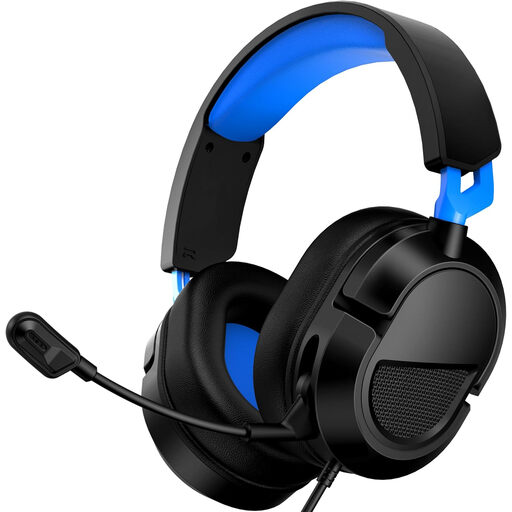 No image available
A wired option to compare if your device has a compatible 3.5 mm headset port.
Check that the headset microphone is selected as the input and make a short test recording.
 No image available
A wired USB option if your computer has a compatible USB port.
Select the headset microphone as the recording input and check that you can listen back to your practice through the headset.
 No image available
A wired USB headset to consider for practice on a computer with a compatible USB port.
Check that the headset is selected as the microphone input in your recording software, then listen back to a short recording.
 No image available
A wired option for a device with a compatible 3.5 mm headset port.
Check that both the microphone and headphones work with your device before recording a full practice session.
 No image available
A wired headset to compare if your device supports the compatible 3.5 mm connection.
Check which microphone input your recording software uses and make a test recording before assessing pronunciation details.
Start with the microphone slightly to the side of your mouth rather than directly in front. Shure recommends this position for the SM35 to reduce plosives; make a test recording to check whether it also works for your headset.
Check that the connection is compatible with your device, then select the headset as the input and your chosen headphones as the output in your recording software. Record a few seconds and listen back.
No. According to Audio-Technica, the standard cable has a separate 3-pin XLR connection for the microphone and a 6.3 mm connection for the headphones. Your recording equipment needs to support these connections.
For a consumer purchase made online, the ACM says you usually have a 14-day cooling-off period from delivery; check whether an exception applies. You also have a statutory right to a product that is fit for purpose. According to the ACM, there’s no fixed guarantee period, and the retailer is your point of contact if there’s a problem.
That depends on how the recordings are used and shared. The Dutch Data Protection Authority explains that processing purely for personal or household use falls under a GDPR exemption. Don’t assume this exemption also applies to shared recordings or processing by a teacher without considering the circumstances.