If you mainly practise sitting at a computer, choose a headset with a connection that suits your device and a microphone you can position comfortably. If you want to walk around or gesture while practising, Bluetooth can give you more freedom to move, but remember to check the connection and battery charge. Record a short introduction in your own practice space and listen back: specifications cannot tell you exactly how clear your recording will sound.
Who is this choice relevant to?
Student who listens back to their introduction
You want to assess a recording of your spoken practice. Microphone positioning and making a short test recording are practical things to consider. Microsoft Support explains how to test a microphone and listen back to a sample recording.
Student who practises on different devices
If you switch between, for example, a computer and a mobile device, check that the connection and microphone input work on each device. Jabra warns that not every USB-C device or app supports an audio connection for the Evolve2 30 SE.
Student who practises standing up
If you want to walk around or gesture while practising, consider how much freedom a wireless connection gives you, and test whether your device uses the headset as its microphone. Remember that you will also need to pair and charge it.
What should you look for when choosing?
Wired USB headset
A good fit if: you practise at a computer and its USB-A or USB-C port matches the exact version of the headset.
Consider: you will not need to pair or charge it while practising, but the cable limits how freely you can move.
Wired headset with a 3.5mm plug
A good fit if: your device has a suitable headset socket and you want to practise with a cable.
Consider: check that the socket also supports microphone input; the plug size alone does not tell you this.
Bluetooth headset
A good fit if: you want to walk around or gesture while practising without a headset cable.
Consider: check that the microphone is connected and charge the headset; the stated battery life may not reflect how you use it.
| What to consider |
What should you check? |
Who is this important for? |
| How clearly your voice comes through |
Make a short recording in the room where you practise and listen back; position the microphone close to your mouth. |
If you mainly want to hear how clearly your introduction comes across, prioritise how your voice sounds in the recording. Around 40% of consumers in this practice scenario put clarity first. |
| Connection and microphone input |
Check that USB-A, USB-C, 3.5 mm or Bluetooth is compatible with your device, and test the microphone in the app you use. |
If you practise on several devices, you will want to know whether each one actually uses the headset as a microphone. Around 30% of consumers mainly value a suitable connection and working input. |
| Wearing comfort |
Look at the adjustability and design; fit is a personal matter. |
If you practise your introduction repeatedly, you will want a headset that feels comfortable during those sessions. Around 20% of consumers put wearing comfort first. |
| Freedom to move |
Compare a wired connection with wireless use, and test the recording while standing or moving. |
If you want to rehearse standing up and use gestures, a cable may limit how freely you can move. Around 10% of consumers prioritise freedom of movement. |
Common buying mistakes
-
Confusing noise cancellation with a clear voice recording
What sounds quieter to you and what the microphone records are two different things. A general claim about noise cancellation does not tell you how your voice will sound in your practice space.
Make a short recording in the room where you rehearse and listen back. Do not choose a headset based solely on a noise-cancellation claim.
-
Assuming every version in a headset range is the same
A product range may include versions with different connections. A suitable product name or plug alone does not confirm that the microphone will work with your device.
Check the full product version, your device’s port and the microphone input before you choose.
An unsuitable connection may mean you need a different version or an additional solution.
-
Choosing wireless without testing the recording
Being free to move does not remove the need to pair the headset with the right device and keep it sufficiently charged.
Charge the headset, pair it with the device you intend to use, then listen back to a test recording while standing and moving around.
Brands to consider
Logitech
Logitech describes the H390 as a wired computer headset, available in USB-A and USB-C versions. The Zone Vibe 100 is a separate wireless Bluetooth range.
- According to Logitech, the H390 has a rotatable microphone boom and in-line controls.
- The stated talk time of up to 18 hours for the Zone Vibe 100 is manufacturer information, not an independent measurement of battery life or recording quality.
Trust
Trust describes the GXT 415W Zirox as a wired over-ear headset with a 3.5mm connection.
- Trust lists an adjustable headband, a fold-away microphone and on-earcup controls.
- Trust positions this model for gaming. Separately check whether the connection on your practice device supports microphone input, and test the recording.
Jabra
The wired Evolve2 30 SE range includes several versions, including mono, stereo, USB and platform variants.
- Jabra describes two microphones and wearing comfort as features of the range.
- These are manufacturer details, not an independent test of presentation recordings in Dutch. Check the specifications for the exact version; not every USB-C device or app supports an audio connection.
HP Poly
The Blackwire 3200 series consists of wired headsets for voice communications, with several versions available.
- HP describes adjustability and several connection options across the series.
- Do not assume the connection or included accessories of a specific Blackwire 3220 version based solely on the series description.
Headsets at Joybuy
This selection includes wired USB headsets, a wired 3.5mm headset and a Bluetooth headset to suit different ways of practising. Always check that the exact version and connection are compatible with your device.
 No image available
Logitech PC 960 USB headset
A wired USB headset to consider if you practise at a computer; check that the USB version matches your device’s port.
Joybuy
 No image available
Jabra Evolve2 55 Wireless Stereo Headset
A wireless stereo headset to consider if you want freedom to move while practising; test whether your device and recording app support the microphone.
The product name specifies a wireless stereo version.
Joybuy
 No image available
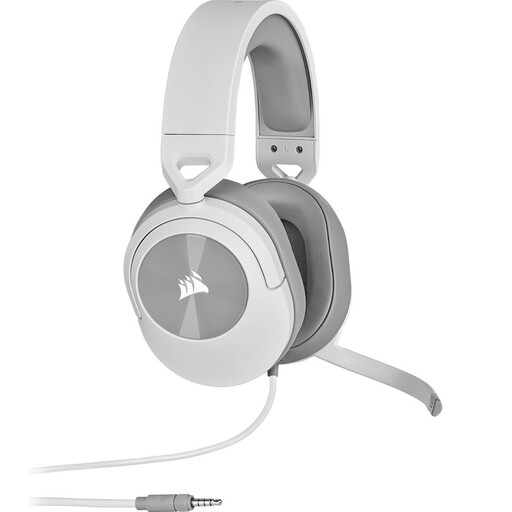
Corsair HS55 Stereo Gaming Headset, white, 3.5 mm
A wired 3.5mm headset to consider if your device has a suitable headset socket; check that it also supports microphone input.
The product name specifies the colour white and a 3.5mm connection.
Joybuy
 No image available
Trust Ayda wired headset with headband, USB Type-A, black
A wired USB headset to consider if you practise at a computer; check that the USB Type-A connection is compatible with your device.
The product name specifies USB Type-A and the colour black.
Joybuy
 No image available
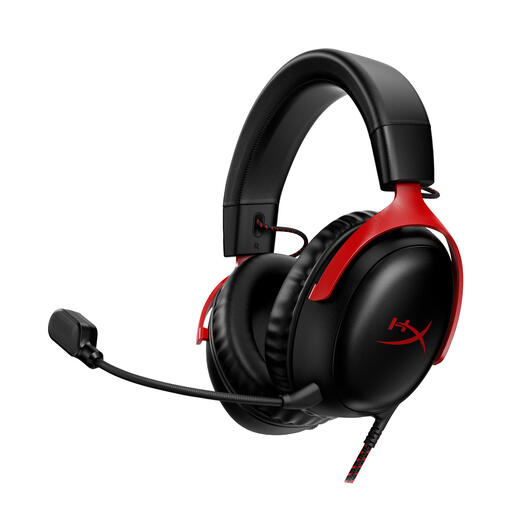
HyperX Cloud III Gaming Headset, PC, PS5, Xbox Series X|S, black/red
This headset is worth considering if you switch between devices; check that the chosen connection and microphone input work with each one.
The product name lists PC, PS5 and Xbox Series X|S as platforms.
Joybuy
Frequently asked questions
How can you check whether your introduction is being recorded clearly?
Record a short introduction and play it back. In Windows, you can test the intended input in the microphone settings. If you use Sound Recorder, you may need to give the app access to your microphone.
Will every USB-C headset work with your phone or tablet?
No, the plug shape alone does not guarantee compatibility. Jabra warns that not all USB-C devices or apps support an audio connection with the Evolve2 30 SE; check your particular combination before buying.
What are your rights if you are unhappy with a headset or it develops a fault?
According to the Dutch government, when you buy online you are often entitled to a 14-day cooling-off period. This is separate from your rights if a product is faulty. The Dutch government also states that the Netherlands has no fixed statutory guarantee period; check the terms that apply to your purchase.
Which product regulations apply to a headset in the Netherlands?
The Dutch government states that electronic devices placed on the EU market must have the applicable CE marking. The European Radio Equipment Directive is also relevant for wireless equipment. Check the details for the exact version; information about another variant does not automatically confirm that the model you have chosen meets the applicable requirements.


