
Practising pronunciation
You record Dutch vowel sounds and listen back to them alongside examples. Uitspraaktraining.nl describes exercises with vowels; for this use, both the recording connection and headphone playback matter.


For vowel practice, choose a headset with a microphone and headphones that works with your practice computer, so you can record yourself and listen back. For amplified speaking, a compatible connection to the sound system matters more: Logitech lists USB versions of the H390, while Shure and Audio-Technica describe wired headworn microphones with XLR connections. If you want to move around during your performance, also check the frequency variant and what’s available at the venue.
You record Dutch vowel sounds and listen back to them alongside examples. Uitspraaktraining.nl describes exercises with vowels; for this use, both the recording connection and headphone playback matter.
You want to keep your hands free and connect the microphone to the sound system at your local performance. So, check which microphone input the venue has.
You want to move around during the performance without a microphone cable. As well as checking the connection to the sound system, make sure the frequency variant can be used at the venue.
Choose this option: if you want to record yourself on a compatible computer and listen back to examples.
Bear in mind: a USB connection isn’t automatically compatible with the microphone input on a stage sound system.
Choose this option: if you want to keep your hands free and the sound system has a compatible microphone input.
Bear in mind: the XLR headworn microphones described aren’t complete listening headsets; you’ll need separate headphones for playback.
Choose this option: if you want to move around during the performance and can connect the receiver to the sound system.
Bear in mind: check the exact frequency variant and the frequencies available at the venue in the Netherlands.
| What to consider | What to check before buying | Who is this important for? |
|---|---|---|
| Recording and listening back | Check that the microphone works as an input and the headphones as an output on your practice device. | I want to record vowel sounds and listen back to my voice alongside examples. Around 36% of consumers say recording and listening back is their top buying priority. |
| Clarity when speaking through a sound system | Ask which microphone input the venue has and test the microphone with the sound system there. | I want to be clearly heard through the sound system during the performance. Around 29% of consumers give clear amplified speech top priority. |
| Connections and complete setup | Check the exact USB or XLR version and whether you’ll also need headphones or an audio interface. | I want to make sure my practice device and the venue’s sound system are compatible with the microphone I choose. Around 21% of consumers prioritise compatible connections. |
| Freedom of movement | Check whether the transmitter and receiver are included in the set and whether the frequency variant is suitable for the venue. | I want to move around during the performance without a microphone cable. Around 14% of consumers say freedom of movement is their top buying priority. |
A USB computer headset and an XLR headworn microphone use different types of connection. A USB plug won’t automatically fit the microphone input on a stage sound system.
Before you buy, ask which inputs your practice device and the venue’s sound system have.
The wired headworn microphones described aren’t combined with headphones for listening back to recordings. A wireless system may also consist of a microphone, transmitter and receiver.
Check what’s included and work out which components you need for recording, listening back or speaking through the sound system.
The frequency variant may determine where you can use a wireless system. The Dutch Authority for Digital Infrastructure states that some frequency bands require a licence.
Check the full variant code, the information from the Dutch Authority for Digital Infrastructure and the frequencies available at the venue.
The H390 is a USB computer headset for recording and listening back on a compatible computer.
The WH20 series includes wired headworn microphones and a version for a compatible wireless bodypack.
The PRO8HEx is a wired headworn microphone for use with compatible equipment.
The XSW 1-ME3 range is designed for wireless, hands-free speaking and performing.
The Evolve2 30 is a computer-focused headset for speaking and listening.
This Joybuy selection includes headsets for computer use with a microphone and listening function. The Logitech H150 uses a 3.5 mm connection rather than USB; check which connection your device has.
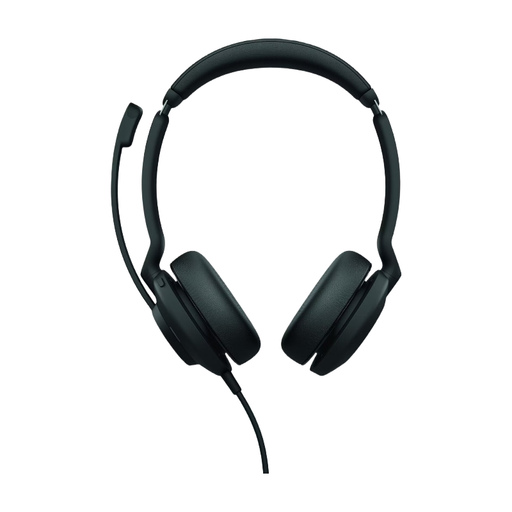 No image available
A computer headset for recording vowel sounds and listening back to recordings or examples.
USB-A connection, two built-in microphones and stereo earcups. The product information lists compatibility with Windows and Mac.
 No image available
A USB headset for computer use when you want to record yourself and listen back in stereo.
The product information lists stereo audio, an adjustable, rotating microphone boom and volume and mute controls.
 No image available
A USB headset for computer use when you want to record and listen back while practising.
The product information lists plug-and-play USB connectivity, an adjustable microphone and digital stereo audio. The headband is adjustable.
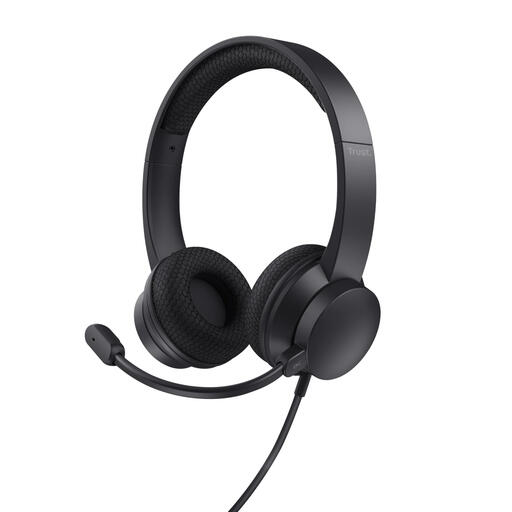 No image available
A computer headset with a microphone and stereo audio for recording and listening back.
The product information lists USB-A with a USB-C adapter cable, volume control and a flip-up mute microphone.
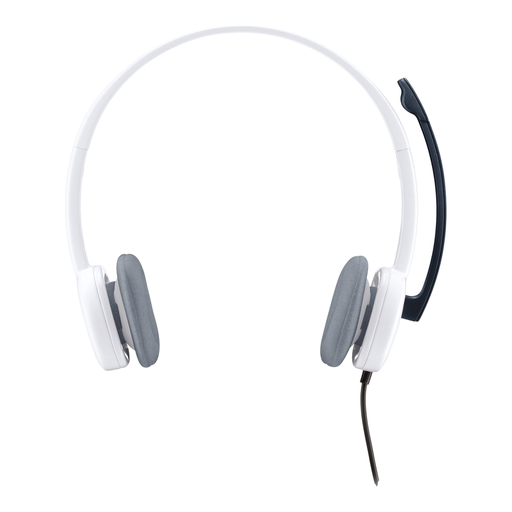 No image available
A wired headset to consider if your device has a 3.5 mm connection and you want to record and listen back.
The product information lists an adjustable microphone and stereo audio. If your device has separate microphone and headphone ports, you’ll need a splitter cable, which isn’t included.
Listen to an example, say the same word and play back your recording to compare them. Check that your practice software uses the microphone as an input and the headphones as an output; a microphone on its own won’t give you feedback on your pronunciation.
That depends on the sound system and what you need for listening. Check that there’s a compatible microphone input and arrange separate headphones if you want to listen back to recordings; the XLR headworn microphones described don’t combine a microphone and headphones.
No. The Dutch Authority for Digital Infrastructure publishes the frequency bands that can be used without a licence and states that some other bands require one. Also check the exact frequency variant and the frequencies available at the venue.
First, check the type of connection on your chosen headset and computer. Logitech lists USB-A and USB-C versions of the H390; Jabra’s user guide warns that not every USB-C device or app supports audio over USB-C.
Follow the instructions for the exact model. For the WH20, Shure recommends positioning it close to the right corner of your mouth; use the supplied windscreen as directed in the model instructions.