Choose a headset microphone if you move your head while reading, want to keep your hands free and need the microphone close to your mouth. If you’re almost completely still, compare it with a microphone on a stand too. For either option, check the connection first and make a test recording to assess breath noise and room sound. For wireless use, you’ll also need a compatible transmitter and receiver, and the frequency must be suitable for the location where you’ll be using it.
Who is this relevant to?
A reader who moves with the text
If you read hands-free while seated, look for an adjustable boom and a fit that helps keep the microphone in position as you move your head. Audio-Technica, Shure and RØDE describe adjustable parts on the models mentioned.
A home recorder dealing with audible room noise
If you can hear ventilation or other sounds in the room, compare the microphone’s polar pattern and positioning, then test how your own space sounds. A directional microphone won’t soundproof a room.
A reader with an existing recorder
If you want to connect a headset to your own recorder, start by checking the microphone input and making sure the exact connector and any power requirements are compatible. Connections vary by model, so check the specific product version.
What should you look for when choosing?
Start by checking your recorder’s input and power requirements. Then choose between a headset and a microphone on a stand based on how much you move while reading, and assess the positioning with a test recording.
| What to consider |
What should you check? |
Who should pay particular attention? |
| Voice and breath noise |
Check whether the boom is adjustable, whether a windscreen is included, and how soft words and strong consonants sound in a test recording. |
If I want to read clearly without distracting breath noise, I’ll focus on positioning and the windscreen; around 36% of consumers prioritise voice and breath noise. |
| Connection to the recorder |
Check the exact connector, the type of microphone input and whether the input supplies the required power. Make sure the bodypack connector matches the transmitter. |
If you want to check first whether the headset will work with your existing recorder, check the connection and power requirements; around 29% of consumers consider compatibility their main concern. |
| Room noise |
Consider where sources of unwanted noise are located, then listen to a test recording to hear how the chosen microphone sounds in the room. |
If I’m recording at home and can hear something like ventilation, I want to know how much of it will end up in the recording; around 21% of consumers prioritise room noise. |
| Comfort |
Check the adjustability, contact points and cable routing, and try the headset on for the length of time you expect to be recording. |
If you want to record a full reading with a headset, you’ll benefit from a boom that feels comfortable and stays in place; around 14% of consumers make comfort their top priority. |
Common mistakes
-
Assuming connectors are interchangeable
A 3.5mm connection, an XLR connector and a bodypack connector don’t automatically mean that a headset will work with the same recorder or transmitter. According to RØDE, the HS2 requires a 3.5mm microphone input with plug-in power.
Before buying, compare the exact headset version with your recording device’s input and power specifications.
If the connection isn’t compatible, you may need a suitable recorder, adapter or wireless system.
-
Assuming a gaming headset is the same as a dedicated recording headset
A headset with a microphone described as suitable for gaming or calls isn’t automatically suitable for recording poetry.
Check the product description and connection separately, and make a test recording before using the headset for a reading.
-
Expecting a directional microphone to fix a noisy room
Microphone positioning and the room’s acoustics affect what gets picked up alongside your voice. A directional polar pattern doesn’t guarantee a quiet recording.
Make a test recording in the intended location and listen to both the voice and the background noise. Shure highlights the importance of microphone choice, positioning and the room when recording voices.
-
Buying a wireless headset without checking the complete system
A headset on its own isn’t necessarily a complete wireless recording system. The connector must match the transmitter, and the frequency must be suitable for the location where you’ll be using it.
Check that the headset, transmitter and receiver work together, and consult information from the Dutch Authority for Digital Infrastructure (RDI) for your intended location.
Wireless recording may also require a compatible transmitter and receiver.
Brands to compare
Audio-Technica
According to Audio-Technica, the PRO8HEx is a wired dynamic headset with a hypercardioid polar pattern and a 3-pin XLR connector.
- Audio-Technica lists an adjustable boom and support points, as well as included windscreens.
- The cable is fixed to the microphone. Check that the XLR connection matches your recording input; the specifications don’t demonstrate a sound advantage over other brands.
Shure
The WH20XLR is the XLR version in the WH20 range, while the WH20TQG has a connector for a Shure bodypack.
- Shure specifies a dynamic cardioid capsule and an included foam windscreen for the WH20.
- Shure says the WH20 requires more gain from the mixer than the SM58. Check that your recording chain provides enough gain.
RØDE
According to RØDE, the HS2 is an omnidirectional condenser headset for use with a compatible 3.5mm microphone input with plug-in power.
- RØDE lists an adjustable boom and an included pop filter.
- A compatible plug alone doesn’t guarantee compatibility: the input must also provide plug-in power. The product’s claims about voice reproduction aren’t based on an independent comparison.
Sennheiser
According to Sennheiser, the HSP 4 is a cardioid condenser headset available with different connection options for professional hands-free applications.
- Sennheiser describes features including a replaceable or adjustable microphone boom and connection cable.
- Choose the connector version that matches your transmitter or recording chain. An HSP 4 headset on its own isn’t a complete wireless system.
Joybuy products
The Joybuy options below are headsets with microphones for voice communication. The product information doesn’t describe them as dedicated recording headsets for poetry readings, so make a test recording to see whether the microphone suits your voice, recorder and room.
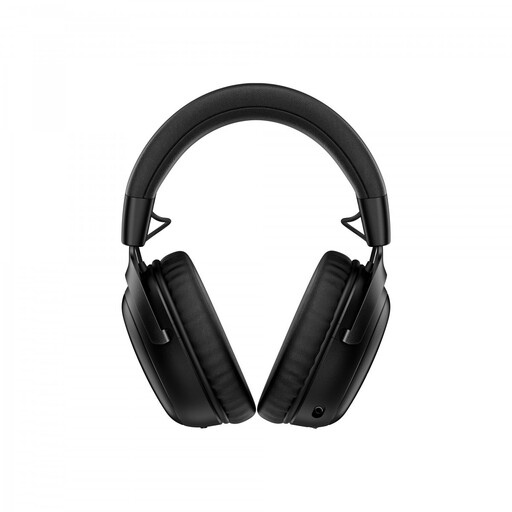 No image available
HyperX Cloud III S Wireless Gaming Headset
This headset is described as being for voice chat and calls; make a test recording to see whether the microphone is suitable for your reading.
The product name mentions a detachable boom microphone and wireless connectivity via 2.4 GHz and Bluetooth.
View on Joybuy
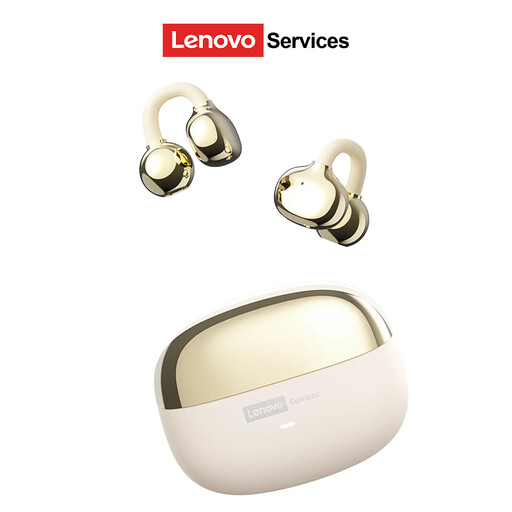 No image available
Lenovo LE302 Wireless Headset Earclip
This wireless ear-clip headset is described as being for office calls; make a test recording to see whether the microphone is suitable for a poetry reading.
The product name specifies a wireless ear-clip design.
View on Joybuy
Frequently asked questions
Where should you position the microphone when reading a poem?
Start with the capsule beside your mouth, rather than directly in the airflow, and make a test recording with both soft words and strong consonants. Shure recommends positioning the SM35 by the corner of your mouth; follow the relevant manual for other models.
Can a headset with a 3.5mm plug connect directly to any recorder?
No. The connection must be compatible, and some headsets also need power supplied through the input. RØDE specifies a 3.5mm microphone input with plug-in power for the HS2; check your recorder’s specifications and the exact headset version.
What should you consider when using a wireless microphone in the Netherlands?
Check the frequency used by the complete transmitter and receiver system, and make sure it’s suitable for the location. The Dutch Authority for Digital Infrastructure publishes information about licence-exempt bands and notes that a licence is required for some other frequency bands.
Can you publish a recording of someone else’s poem?
Don’t assume you can publish a poem just because you recorded the reading yourself. The Government of the Netherlands distinguishes between a private copy for personal use and distributing or making other people’s texts available to the public. Check the rights to the specific poem before publishing it.


