What should you look for when buying?
First, check where the microphone boom sits and what input your recording device has. For the SM35, Shure recommends positioning the microphone by the corner of your mouth, rather than directly in front of your breath.
| What to consider |
What should you check? |
Who is this important for? |
| Vocal nuance and plosives |
Can you position the boom beside your mouth? Test quiet sentences and emphatic consonants. |
When I record quiet lines and emphatic consonants, I want to position the microphone properly without putting it directly in front of my mouth. Around 36% of consumers put vocal nuance and plosives first. |
| Connection and extra equipment |
Check the exact variant and whether your device can connect to and power the microphone. |
I want the microphone to work with my computer, recorder or interface without unexpectedly requiring extra equipment. Around 29% of consumers make connectivity and equipment requirements their main priority. |
| Room noise |
Test it in your own room; don’t rely solely on the earcup specifications. |
If there’s background noise in my recording space, I want to know how the microphone captures my voice, independently of what I hear through the earcups. Around 21% of consumers prioritise background noise. |
| Fit and monitoring |
Check that the headset is comfortable and that headphones are included. |
If I’m reading aloud for longer periods, I want the microphone to stay in place comfortably and to be able to monitor the recording. Around 14% of consumers put comfort and monitoring first. |
Headsets at Joybuy
This selection features wired headsets with a microphone and headphone playback. Check that the connection on each version is compatible with your recording device.
 No image available
Trust GXT 498W Forta, wired, white
This headset combines a microphone with headphone playback; check that the connection is compatible with your recording device.
Wired connection; flexible microphone; earcup controls.
View at Joybuy
 No image available
JBL Quantum 300, wired, black
This over-ear headset combines a microphone with headphone playback; check which connection your recording device requires.
Wired over-ear headset; flip-up microphone.
View at Joybuy
 No image available
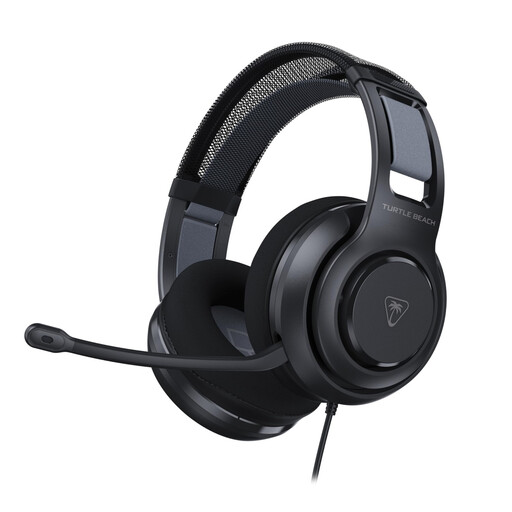
Turtle Beach Atlas 200 PC, wired, 3.5 mm jack
This wired headset lets you speak and listen at the same time; check that the listed connection is compatible with your computer or recorder.
3.5 mm connection; flip-to-mute microphone; black.
View at Joybuy
 No image available
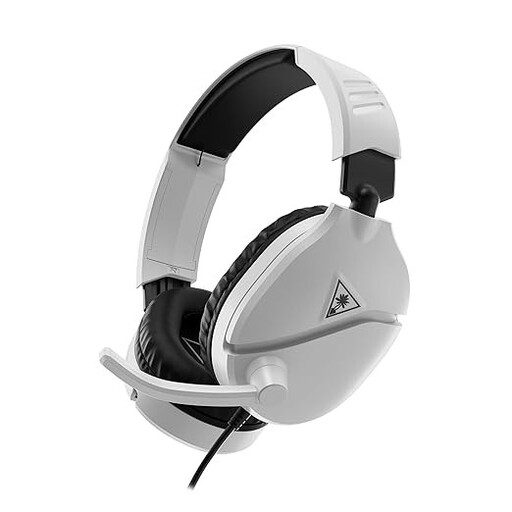
Turtle Beach Recon 70, wired, white
This headset has a microphone and headphone playback; check that the 3.5 mm connection is compatible with your recording device.
3.5 mm connection; flip-to-mute microphone; volume control.
View at Joybuy
 No image available
Turtle Beach Airlite Fit, wired, blue/red
This wired headset lets you listen and speak at the same time; check that the connection is compatible with the device you’re recording on.
3.5 mm connection; flip-to-mute microphone; volume control.
View at Joybuy
Frequently asked questions
Where should you position the microphone for close-up recording?
Start beside the corner of your mouth, not directly in front of your breath. This is Shure’s positioning advice for the SM35. Then listen back to a test recording to assess the position with your headset and voice.
Can you connect an XLR or 3.5 mm headworn microphone directly to any laptop?
No. Don’t rely on the shape of the plug alone. The Audio-Technica BPHS1 has separate XLR and headphone plugs; according to RØDE, the HS2 needs a suitable 3.5 mm microphone input with plug-in power or a compatible transmitter. Check the inputs and power requirements of your equipment.
Is a standalone headworn microphone the same as a headset?
No. The RØDE HS2 is a headworn microphone without earcups, so you’ll need separate equipment for monitoring. A complete headset combines a microphone and headphones, but you should still check the connections on the version you choose.
Do closed-back earcups mean the microphone won’t pick up background noise?
No, you can’t tell that from the earcups alone. Audio-Technica lists the BPHS1’s closed-back earcups and cardioid microphone as separate features; make a test recording in the room where you plan to record.
Can I record and publish an entire poem?
Not automatically. According to the Dutch government, public use of copyright-protected texts generally requires permission. Auteursrecht.nl describes a limited quotation exception for relevant, necessary extracts from published work, provided the source and author are credited; this doesn’t give you general permission to record and publish an entire poem.


