If you record on a computer and want to listen back through the same headset straight away, a wired USB headset is the simplest option, provided the connection is compatible. A broadcast headset combines a microphone and headphones, but needs suitable, separate audio connections. A wearable microphone without earcups is best if you already have a separate way to monitor your recording and the right input and power supply. Make a test recording in your usual spot to check the microphone position, plosive sounds and room noise.
Who are these options for?
Narrators who want a simple way to record on a PC
You practise in one regular spot and want a microphone and headphones without a complicated setup. A wired USB headset could be a good option, as long as the port on your computer is compatible with the model you choose. Logitech and Trust mainly describe the models featured here as suitable for calls or meetings.
Narrators who want to speak clearly and monitor their voice
You want to hear your voice through headphones during a longer practice session and are considering a broadcast headset. First, check that the microphone and headphone connections are compatible with your recording equipment. Audio-Technica specifies separate connections for the BPHS1.
Narrators with existing recording equipment
You already have a compatible recorder, transmitter or audio interface and mainly need a microphone that stays in place on your head. The HS2 and SM35 differ in their connections and power requirements; neither wearable microphone has built-in headphones.
What should you look for?
Start by checking the connections on your recording device, then decide whether you need a complete headset or just a wearable microphone.
The percentages offer a general guide to the main considerations for UK consumers looking for a headset microphone for regular narration practice in one place.
| What to consider |
What to check before buying |
Who should prioritise this? |
| Clear voice reproduction |
Check the microphone's pickup pattern and how adjustable the boom is. Test its position and the sound of the room with a sample recording. |
If you want to assess your pronunciation accurately afterwards, how your voice sounds matters most. Around 36% of consumers in this context put clarity first. |
| Connection and power |
Compare the plug, input and required microphone power with your computer, recorder or interface. If you're buying a complete headset, check the headphone connection too. |
Do you want to start recording in your usual spot without finding that the input is unsuitable or the power supply is missing? Around 29% of consumers give top priority to a suitable, straightforward connection. |
| Fit and microphone position |
Check the adjustability and earcups, and whether you can position the microphone consistently for each session. A described fit is not an independent assessment of how it will suit your head or session length. |
For regular narration practice, a comfortable fit and a boom that's easy to position correctly each time may be important. Around 21% of consumers put this first. |
| Monitoring and equipment |
Decide whether you want to monitor your voice while recording and whether you already own headphones. Also check which connections your complete recording setup requires. |
If you want to hear your voice straight away, you'll need to know whether headphones are included. Around 14% of consumers focus mainly on monitoring and the equipment required. |
Common pitfalls
-
Assuming a plug that fits is all you need
A connection can look right without being electrically compatible. The RØDE HS2 needs a 3.5 mm microphone input with plug-in power; the Shure SM35-XLR uses phantom power. The Audio-Technica BPHS1 has separate microphone and headphone plugs.
Before ordering, compare the plug, input and power requirements with the specifications for your recording device.
-
Mistaking a wearable microphone for a complete headset
The HS2 and SM35 are headband microphones without built-in earcups. The H390, Ayda and BPHS1 combine a microphone with headphones.
Check what's included with the version you've chosen, and decide in advance whether you want to monitor your voice through headphones while practising.
-
Confusing call features with proven recording quality
Logitech and Trust describe the USB models featured here as suitable for calls or meetings. That alone doesn't establish how a model sounds when recording narration in Dutch.
Make a test recording in your usual spot, including both quiet and loud passages, then listen for how your voice sounds, plosive noises and room noise.
-
Assuming a two-year manufacturer's warranty covers all your legal rights
In the Netherlands, the seller is responsible for the statutory guarantee if a product doesn't meet the expectations you were entitled to have. The Netherlands Authority for Consumers and Markets explains that there is no general fixed end date of two years.
Keep your proof of purchase and contact the seller if your product is faulty. Consider any additional warranty separately from your statutory rights.
Brands to consider
Logitech
The H390 is a wired USB computer headset for anyone who wants to use one headset both to speak and to listen back.
- For the USB-A version described, Logitech lists a positionable microphone, in-line controls and a 1.9 m cable.
- The manufacturer positions the H390 for calls and meetings; this is not an independent assessment of its recording quality for narration.
Trust
The Ayda USB headset is worth comparing if you're looking for a fold-up microphone and the adapter combination listed.
- For model 25088, Trust lists a flexible flip-to-mute microphone, on-ear controls and a 1.8 m cable.
- These are manufacturer specifications for a meeting headset, not an independent assessment of recordings of Dutch narration.
Audio-Technica
The BPHS1 is a broadcast headset with a microphone and headphones, designed for a recording setup with compatible separate connections.
- Audio-Technica specifies a cardioid dynamic microphone, a replaceable cable and separate XLR and 6.3 mm outputs.
- The BPHS1's connections mean it can't plug straight into a computer using a single USB plug.
RØDE
The HS2 is a wearable microphone without built-in headphones, designed for a recording setup with a compatible input.
- RØDE specifies an adjustable boom and an omnidirectional capsule for the HS2.
- You'll need a compatible input with plug-in power and separate headphones if you want to monitor your voice.
Shure
The SM35 is a wearable cardioid microphone; the XLR version is suited to a setup with compatible phantom power.
- The Shure manual specifies 12–52 V phantom power for the SM35-XLR and recommends positioning the microphone by the corner of your mouth.
- Check which version you're buying: the SM35 with a TA4F connection isn't necessarily the same connection option as the SM35-XLR. The microphone itself has no headphone function.
Headsets with microphones on Joybuy
These wired headsets with microphones are selected for consumers who want to speak and listen through the same headset during narration practice. Before buying, check that the connection is compatible with your recording device.
 No image available
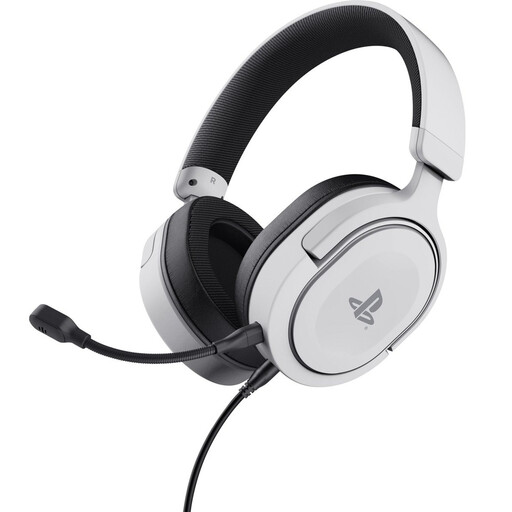
Trust GXT 498W Forta Gaming Headset, white
A wired headset with a detachable microphone for anyone who also wants to listen through their headset while practising.
The description lists a flexible microphone and a 1.2 m cable with a 3.5 mm connection. Check that your device has a compatible input.
View on Joybuy
 No image available
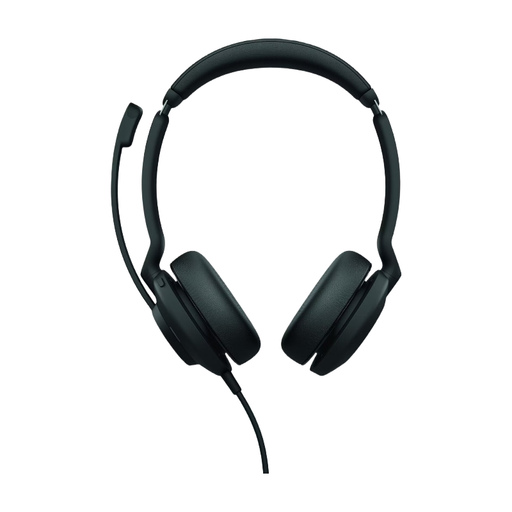
Jabra Evolve2 30 SE
A USB headset to consider if you want to combine a microphone and headphones in one wired solution.
The product description lists two integrated microphones and USB-A. A USB-C adapter is mentioned as a compatible connection option; check that it suits your setup.
View on Joybuy
 No image available
Logitech PC 960 USB Headset
A wired USB headset for anyone looking for an adjustable microphone boom and headphone playback in one product.
The description lists an adjustable microphone boom, volume control, mute and stereo playback. You'll need a compatible USB port.
View on Joybuy
 No image available
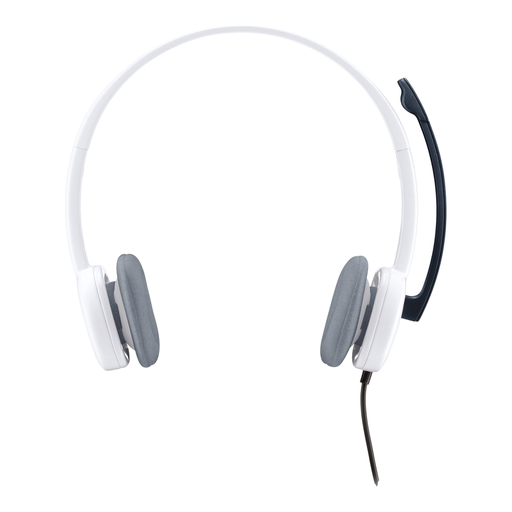
Logitech H150, white, 981-000350
A wired headset to consider if you also want to listen through the earcups while speaking.
The description lists an adjustable microphone and a 3.5 mm connection with in-line controls. Check that your device has a compatible combined audio input.
View on Joybuy
 No image available
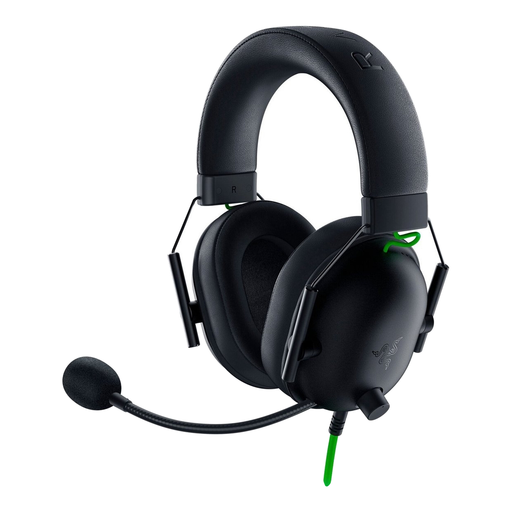
Razer BlackShark V2 X 7.1 Wired Gaming Headset, black
A wired headset with a microphone and headphones for anyone who wants to speak and monitor their voice from a regular recording position.
The product description lists a cardioid microphone and a 3.5 mm connection. A splitter is mentioned for PCs with separate audio inputs; check which connection your device requires.
View on Joybuy
Frequently asked questions
How should you position the microphone for narration practice?
Position the microphone by the corner of your mouth, not directly in front of it. The Shure manual recommends this position to reduce plosive sounds; then make a short test recording in your usual spot.
Will a headset with a 3.5 mm plug automatically work with your recorder or laptop?
No, the connection also needs to be electrically compatible. The RØDE HS2 needs a 3.5 mm microphone input with plug-in power; check your device's specifications before connecting the microphone.
What should you check if you want to monitor your voice while recording?
Check whether the option you've chosen includes headphones and whether their connection is compatible with your recording device. The Audio-Technica BPHS1 has a separate 6.3 mm headphone plug; the RØDE HS2 and Shure SM35 are wearable microphones without built-in earcups.
What are your rights when buying online in the Netherlands?
Online consumer purchases generally come with a cooling-off period of up to 14 days after delivery, subject to legal exceptions. The seller is also responsible for the statutory guarantee if a product doesn't meet the expectations you were entitled to have under normal use. The Netherlands Authority for Consumers and Markets explains that the statutory guarantee does not have a general fixed duration of two years.


