Who is this relevant to?

Listening back to short takes at home

You record passages on a computer and want to listen back straight away. The connection, microphone position and ease of use all matter. Logitech describes these features for the H390; RØDE says you need the supplied TRRS cable to use the NTH-100M's microphone.

Practising a guided tour while walking

You want to move around hands-free without a cable getting in the way. Check the headset microphone, its receiver and how it connects to your recording device. Shure describes the BLX14/PGA31 as a wireless system with a headset microphone, transmitter and receiver.

Practising in a noisy room

You want to assess your voice and pronunciation in a test recording. Check the microphone position, and distinguish between features that affect the microphone and sound isolation for the listener. Jabra recommends keeping the microphone close to your mouth.

What should you look for when choosing?

Wired USB headset for computer recordings

Choose this option: if you want to record short passages in one place and listen back straight away.

Keep in mind: the cable limits how freely you can move, and the USB version needs to be compatible with your computer.

Wired headset for recording and playback

Choose this option: if you want to review your pronunciation and timing, and your recording device supports the connections. The RØDE NTH-100M combines headphones with a detachable microphone.

Keep in mind: the cables and connections you need vary by model. The Audio-Technica BPHS1 has separate microphone and headphone connections.

Wireless headset microphone

Choose this option: if you want to practise while walking with your hands free; the Shure BLX14/PGA31 is an example of a system with a headset microphone and wireless components.

Keep in mind: you’ll need a compatible receiver and a connection to your recording device. Also check the frequency requirements for the model and location you choose.

What to consider What to look for Who it’s most relevant to
Recording and listening back to short takes Check the microphone and headphone connections, and make a short test recording beforehand. If you record passages on a computer and want to listen back straight away, a simple recording workflow is important. Around 36% of consumers say listening back is their top priority.
Freedom of movement Check that the headset microphone, transmitter and receiver are included in the set, and how the receiver connects to your recording device. If you want to practise the pace and gestures of a guided tour, a cable to your computer could get in the way. Around 29% of consumers say freedom of movement is their top priority.
Background noise Pay attention to the distance between the microphone and your mouth, and compare test recordings in the room where you’ll be practising. If background noise affects your voice recording, you’ll want to assess how clearly your voice comes through in that room. Around 21% of consumers say this is their top buying priority.
Connecting to existing equipment Make a note beforehand of the USB, TRRS, XLR and headphone connections on your equipment. If you already use recording equipment with specific inputs, you’ll want to avoid buying a headset that won’t connect directly. Around 14% of consumers say compatibility with existing equipment is their top priority.

Common buying mistakes

  • Assuming a headset microphone is a complete recording setup

    A system for amplified speech won’t automatically save recordings for you to listen back to later.

    Before buying, map out the entire signal path: from the microphone, through a cable or receiver, to a recorder, and back to your headphones.

    Depending on your equipment, you may also need a compatible receiver, an audio interface or a separate recording device.

  • Taking ‘noise cancellation’ as proof of interference-free recordings

    A feature that affects the microphone signal is not the same as sound isolation for the listener. Manufacturer descriptions are no substitute for testing in the room where you plan to practise.

    Check what the feature affects, then listen back to a short recording in the intended environment.

  • Choosing based on the product family name alone

    Headsets and microphones can have different USB, TRRS and XLR connections. Wireless systems also come in different frequency versions.

    Check the exact model against your recording device. For wireless use, check the Netherlands Authority for Digital Infrastructure’s information for the chosen band and location.

Brands to consider

Logitech

The H390 is a wired computer headset for short recordings and immediate playback.

  • Logitech lists a USB connection, an adjustable microphone boom and on-cable controls.
  • Check whether you need the USB-A or USB-C version; a cable gives you less freedom to move around. The manufacturer’s description of noise reduction is not an independent recording comparison.

Jabra

The Evolve2 30 SE is a wired office headset available with USB-A or USB-C connections.

  • Jabra lists two microphones and recommends keeping the microphone close to your mouth.
  • Jabra’s claims about background noise are based on its own calculations and conversations; they don’t necessarily predict the recording quality of a museum talk.

RØDE

The NTH-100M combines headphones with a detachable microphone for focused playback.

  • The manufacturer describes it as having detachable headphones and a microphone.
  • According to the manual, you need the supplied TRRS cable to use the microphone. Check that your recording device has a compatible connection.

Shure

The BLX14/PGA31 is a wireless system with a headset microphone for speaking while you move around.

  • Shure describes the headset microphone, transmitter and receiver as components of the system.
  • The frequency version must meet local requirements. You’ll also need a suitable connection to recording equipment; the stated range doesn’t guarantee performance in a particular museum space.

Audio-Technica

The BPHS1 is a wired broadcast headset for use with compatible audio equipment.

  • For the BPHS1 version described, Audio-Technica specifies closed-back headphones, a 3-pin XLR microphone plug and a 6.3 mm headphone plug.
  • The separate connections don’t offer the plug-and-play convenience of USB. The description of voice clarity is a manufacturer claim.

Headsets for recording and playback

These products are worth comparing for recording and listening back during computer sessions. Check that each model’s connection and compatibility suit your recording device.

Razer Kraken V3 X headset in black

Razer Kraken V3 X, black

Could be worth considering for short computer recordings; before buying, check the exact connection and whether it’s compatible with your computer and recording software.

The product information mentions a microphone that can be positioned close to your mouth.

Joybuy
Logitech PC 960 USB headset

Logitech PC 960 USB

An option to consider for repeated computer recordings; check that the USB connection is compatible with your recording device.

The product information lists an adjustable microphone boom, stereo audio, and on-cable volume and mute controls.

Joybuy

Wired Logitech H650e stereo headset

Logitech H650e Stereo, wired

Worth considering for computer recordings where you want to record and listen back through a headset; check that it connects to your device.

The product information lists a USB headset, stereo audio, a microphone and on-cable volume controls.

Joybuy

Wired Logitech H340 USB headset in black

Logitech H340 USB, black, wired

Could suit short recordings on a computer; check that the USB connection matches your equipment.

The product information lists an adjustable microphone and on-cable volume and mute controls.

Joybuy
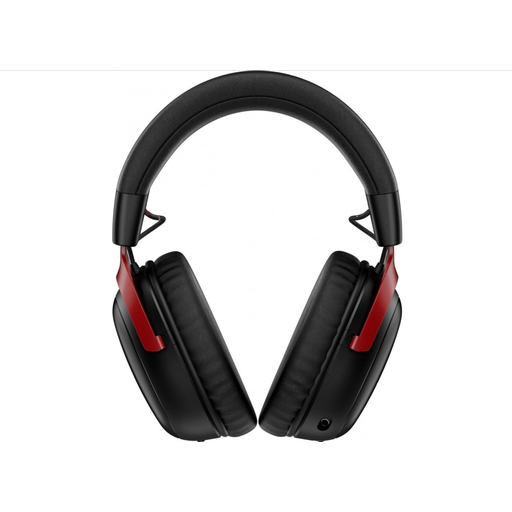
HyperX Cloud III S gaming headset in black and red

HyperX Cloud III S, black/red

Worth considering if you want to combine a microphone and headphones for short takes; check the connection and compatibility for the version you choose.

The product information lists a detachable microphone, a mute button and volume control.

Joybuy

Frequently asked questions

How do you get started with several short test recordings?

Connect the headset, select it as the microphone input and, if needed, as the audio output, then record one short passage. Listen back before continuing; RØDE describes separate input and output settings, and Jabra recommends keeping the microphone close to your mouth.

Can a wireless presentation microphone save recordings itself?

Don’t assume that it can. Shure describes the BLX14/PGA31 as a microphone, transmitter and receiver system. Check how you can connect the receiver to a separate recording device.

Do you need a licence for a wireless headset microphone in the Netherlands?

It depends on the frequency version. The Netherlands Authority for Digital Infrastructure lists frequencies that can be used without a licence, as well as bands that require one. For the version you choose, also check which frequencies are available at the location where you’ll be using it.

What if visitors who can be identified appear in a practice recording?

A sound recording in which someone can be identified may contain personal data. According to the Dutch Data Protection Authority, an organisation needs an appropriate legal basis under the GDPR to process it; consent is one possible basis. Where possible, record a test passage without identifiable visitors, and agree recording arrangements with the museum.

Is the legal guarantee on a headset in the Netherlands always exactly two years?

No. According to the Dutch government, there is no fixed statutory guarantee period in the Netherlands; what you can expect from a product depends on the product and the circumstances. If a product is faulty, contact the seller and check the manufacturer’s guarantee and any additional cover as separate terms.
