
A guide practising at a computer
Wants to record and listen back to a Dutch-language script without taking up space on a small desk with a microphone stand. Trust and Logitech describe wired headsets for computer use.


If you mainly practise sitting at a computer, a wired USB headset with a microphone boom is a practical choice for a small desk: you won’t need a separate microphone stand or a charged battery. If you want to practise while walking, check whether your recording device and app can use the microphone on a wireless headset. To recreate a real guided tour, you may need a headset microphone with a bodypack transmitter and, potentially, receivers; a computer headset is not automatically suitable for this.
Wants to record and listen back to a Dutch-language script without taking up space on a small desk with a microphone stand. Trust and Logitech describe wired headsets for computer use.
Wants to move around while speaking. Check the connection and battery life, and make sure the recording app actually uses the headset microphone as its input. Trust describes the Ayda Wireless ENC as a Bluetooth headset and lists its stated range and battery life.
Wants to recreate the final setup with a transmitter and, potentially, receivers, rather than simply making a computer recording. Shure describes the SM35 as a microphone for use with a wireless bodypack transmitter.
Choose this option: if you mainly practise at a computer and want to listen back to your recording afterwards.
Bear in mind: the cable and the correct USB-A or USB-C connection; plugging in a headset does not automatically mean the recording app will use the microphone you want.
Choose this option: if you want to walk around or gesture while practising, and your recording device supports the Bluetooth connection and microphone input.
Bear in mind: you’ll need to charge it and test the connection and microphone in your recording app beforehand. The range and battery life stated by Trust are manufacturer specifications, not measurements taken in your room.
Choose this option: if you want to practise with the same type of transmitter and receivers as you’ll use on the actual tour.
Bear in mind: a standalone headworn microphone is not automatically a USB or Bluetooth headset. Shure specifies that the SM35 should be used with a wireless bodypack transmitter.
| What to consider | What to look for | Who is this most important for? |
|---|---|---|
| Clear speech | Check whether the microphone boom is adjustable and make a test recording at your usual speaking volume. | When I listen back to my script, I want to be able to assess my voice clearly and position the microphone correctly. Around 31% of consumers prioritise speech clarity. |
| Limited desk space | Consider the headset style, cable routing and whether your computer supports the connection. | I don’t want a separate microphone stand taking up space on a small desk; a microphone attached to the headset keeps the setup compact. Around 31% of consumers want to use as little desk space as possible. |
| Freedom of movement | Check that both your device and recording app use the headset microphone; treat battery life as a manufacturer specification. | If I want to speak while walking, I don’t want to be tied to a cable, and the recording connection needs to keep working. Around 23% of consumers prioritise freedom of movement. |
| Compatibility with the guided-tour system | Ask which transmitter or recording device the museum uses and check the exact microphone connection. | If I want to recreate the setup used for the actual tour, the microphone must be compatible with the transmitter and, potentially, the receivers. Around 15% of consumers prioritise this system compatibility. |
The Shure SM35 is designed for use with a wireless bodypack transmitter. A guided-tour setup may also require receivers for listeners.
Before buying, decide whether you only want to listen back to your own voice or test the actual guided-tour system.
The SM35 requires a compatible bodypack transmitter. If visitors will listen through receivers, you’ll need to include that equipment in your setup too.
The Logitech H390 is available with different USB connectors. A connection to a device does not, by itself, prove that the recording app is using the headset microphone.
Check the exact connector or wireless connection against your device, and test which microphone input the app uses before your practice session.
A different connector version may require a suitable adapter or a different model.
The Ayda USB is aimed at computer-based practice, while the Ayda Wireless ENC is for those who want to practise wirelessly.
The H390 is a wired computer headset with a microphone boom and in-line controls.
The Evolve2 30 SE is a wired business headset where the fit and USB version are worth considering.
The Voyager 4300 UC series is for those comparing wireless freedom of movement and connections to different types of device.
The SM35 is a headworn microphone for use with a bodypack setup, not a standalone computer headset.
These Joybuy products are headsets with microphones for practising at a computer on a small desk or moving around while you practise. Before buying, check the connection and compatibility with your recording device.
 No image available
The headset has a detachable, flexible microphone, so you can practise without a separate microphone stand.
Wired 3.5 mm connection; check that your device has a suitable socket.
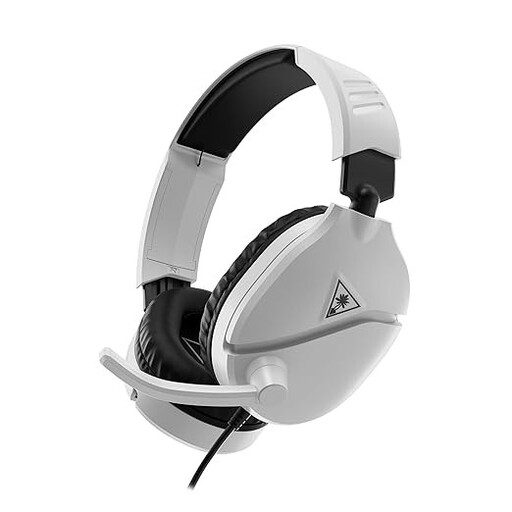 No image available
The microphone boom is attached to the headset and can be raised to mute, so you won’t need a separate microphone stand.
Wired 3.5 mm connection; check that your device has a suitable socket.
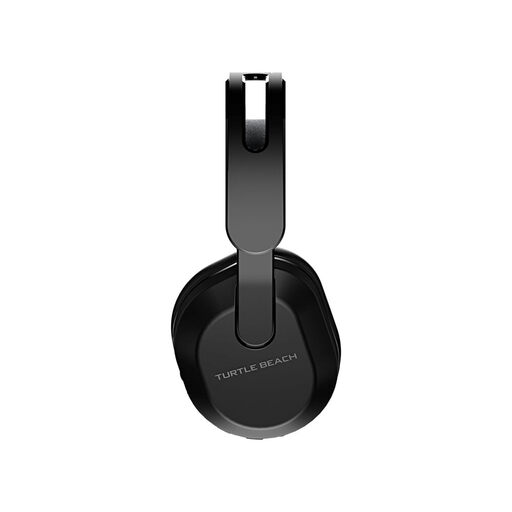 No image available
This wireless headset has a microphone that can be raised to mute, making it suitable for practising when you want to move around.
The product description states that it charges via USB-C. Check whether your recording device and app use the microphone.
 No image available
The headset has a microphone and is described as offering both Bluetooth and a USB-C cable for a wired connection.
Check which connection your recording device and app support.
 No image available
The adjustable microphone boom is attached to the headset and can be moved out of the way when you don’t need it.
The product description states that it connects to a computer via USB and has in-line controls. Check that the connection is right for your device.
No. A computer headset and a headset microphone for a bodypack have different functions. If visitors listen through receivers, check the transmitter, receivers and the microphone’s exact connection too.
Adjust the boom and make a short test recording. For the SM35 specifically, Shure recommends positioning it at the corner of the mouth rather than directly in front of it to reduce plosive sounds. This model-specific guidance does not automatically apply to every headset.
For online consumer purchases, ACM ConsuWijzer says you generally have a cooling-off period that ends 14 days after delivery; check the applicable exceptions and returns policy. Separately, a faulty product that has been used normally may be covered by the legal guarantee; the seller must resolve the problem.
If you record identifiable people on behalf of an organisation, you need an applicable legal basis under the GDPR; consent is not automatically the only possible basis. What applies in a particular situation depends on who you record, the purpose of the recording and any museum rules.