If you mainly record on a computer and listen back straight away, choose a headset with a connection that suits your computer. If you have suitable recording equipment, a separate wired headset microphone may be all you need. A complete wireless set is a better choice if you want to practise while walking around, provided its frequency is suitable for the location.
Who is this buying guide for?
Speakers who listen back to recordings
You practise the same museum speech repeatedly on a computer and want to listen to your pronunciation and pace after each attempt. First, choose a suitable recording and listening connection. Logitech describes the H390 as a headset with a microphone, headphones and a USB connection.
Speakers with existing audio equipment
You already have a recorder, audio interface or sound system and need a headset microphone that stays in place as you move and gesture. Connections vary by model, so check them before choosing a microphone. Shure, Audio-Technica and RØDE describe different connections for their models.
Speakers who rehearse while walking
You want to walk around a room without a microphone cable running to your recording or sound equipment. For a wireless set, check which components are included, which frequency version you’re choosing and whether it can be used at your location. Sennheiser describes the XSW 1-ME3-E as a set with a headset microphone, transmitter and receiver; the RDI provides information about frequency use in the Netherlands.
What should you look for?
Complete wired computer headset
A good fit if: you mainly record on a computer and want to listen back through the same headset.
Bear in mind: the cable limits how far you can move from your equipment, and a computer headset won’t amplify your voice in a room by itself.
Separate wired headset microphone
A good fit if: you already have recording equipment with a suitable input and don’t want to hold a microphone.
Bear in mind: the microphone isn’t a complete recording and listening set. Check the connector and any additional equipment you may need.
Complete wireless set
A good fit if: you want to walk around while practising and can connect the receiver to your equipment.
Bear in mind: a set has several components and needs to use a frequency that’s suitable for your rehearsal location.
| What to consider |
What to look for when buying |
Who is this important for? |
| Recording and listening back |
Check the USB port or microphone input, then make a test recording that you can listen back to through your chosen output. A separate headset microphone doesn’t automatically include headphones. |
If I want to listen back to my pronunciation and pace after every rehearsal, I’m mainly looking for a simple way to record and listen back. Around 30% of consumers put recording and listening back first. |
| Fit and microphone position |
If possible, adjust the headband and check that the microphone arm sits in a similar position by your mouth each time you put it on. Follow the model’s instructions. |
When practising repeatedly, I want a headband that stays comfortable and a microphone position I can set consistently. Around 30% of consumers give fit and a repeatable position top priority. |
| Freedom of movement |
Check whether the wireless set includes a microphone, transmitter and receiver, how the receiver connects and which frequency version you’re buying. The RDI notes that availability may vary by location. |
If I want to walk a route while practising without a microphone cable running to my equipment, freedom of movement is essential. Around 20% of consumers put this need first. |
| Speech clarity in the room |
Make a test recording in your rehearsal space and, if you’re using a sound system, test it with the intended microphone and speaker positions. A microphone’s polar pattern alone doesn’t prove which model will sound better there. |
When I want to record or amplify my voice in the rehearsal room, I want to hear how it sounds there and how the setup works. Around 20% of consumers put speech clarity in the room first. |
Common pitfalls
-
Mistaking a separate headset microphone for a complete set
The Shure WH20XLR, Audio-Technica PRO8HEx and RØDE HS2 have different connections. A separate microphone won’t automatically give you a USB recording connection or headphone playback.
Before buying, map out the complete setup: from the microphone to the recorder or computer, then to your headphones. Check the connection on the exact model version.
Depending on your existing equipment, you may also need a suitable audio interface, headphones, transmitter or receiver.
-
Judging a wireless set by its frequency band alone
The RDI describes licence-exempt frequency bands and points out that availability may vary by location. So a frequency that looks suitable on paper won’t necessarily work at every rehearsal venue.
Before using the set wirelessly, check the exact version, power and intended location against the RDI’s latest information.
-
Assuming the microphone will prevent feedback by itself
Shure explains that unwanted feedback when amplifying sound also depends on the position of the microphone and speakers, the volume and the room’s acoustics.
Test the complete setup in your rehearsal space. Position the microphone according to its instructions and don’t point the speakers at it.
Relevant brands to consider
Logitech
The H390 is an option for recording and listening back on a computer repeatedly, provided the USB version you choose is compatible with your computer.
- For the USB-A version described, Logitech specifies an adjustable headband, microphone, headphones, in-line controls and a cable of approximately 1.9 m.
- The cable isn’t suitable for moving around freely, and a computer headset won’t amplify your voice in a hall by itself.
Shure
The wired WH20XLR is designed for a setup with a suitable XLR connection; the PGA31 is a separate product line for compatible Shure bodypack transmitters.
- Shure describes the WH20 as an adjustable cardioid headset microphone and specifies a three-pin XLR plug for the XLR version.
- The PGA31 uses a TA4F/TQG connection, so it doesn’t offer the same connection as the WH20XLR without a compatible system.
Audio-Technica
The PRO8HEx is a wired headset microphone for a suitable XLR input, with an adjustable microphone arm.
- Audio-Technica specifies a hypercardioid dynamic microphone, a 2.2 m cable and a three-pin XLR connection.
- The PRO8HEcH, PRO8HEcW and PRO8HEmW versions have different connections. The sound isolation mentioned by the brand isn’t a guaranteed result in your rehearsal space.
RØDE
The HS2 is a separate headset microphone for a suitable 3.5 mm microphone input with plug-in power, or a compatible transmitter.
- RØDE specifies an adjustable arm, an omnidirectional capsule and a 1.2 m cable.
- The HS2 doesn’t include headphones or a complete wireless set. Claims about natural voice reproduction and comfort are made by RØDE.
Sennheiser
The XSW 1-ME3-E is a complete wireless option for practising on the move. The receiver’s connection needs to suit your equipment.
- For the E version, Sennheiser specifies a headset microphone, bodypack transmitter and receiver, frequency bands of 821–832 and 863–865 MHz, and approximately 10 hours of battery life.
- Check the frequency of the exact version and your location. The stated operating time is a manufacturer’s specification, not a guarantee for every rehearsal.
Headsets for computer-based rehearsals
This product selection focuses on headsets for computer-based rehearsals, so you can speak and listen back through the headset. Check that the connection and connection method of the version you choose are compatible with your device.
 No image available
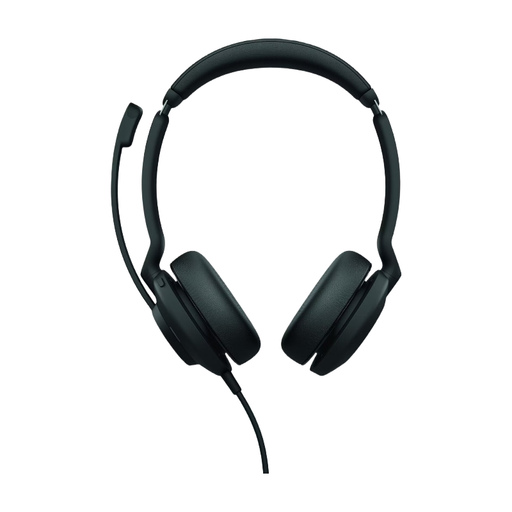
Jabra Evolve2 30 SE
An option for computer-based rehearsals when you want to speak and listen back through your headset.
The description lists a USB-A connection, two built-in microphones, stereo speakers, an adjustable headband and memory foam ear cushions.
View at Joybuy
 No image available
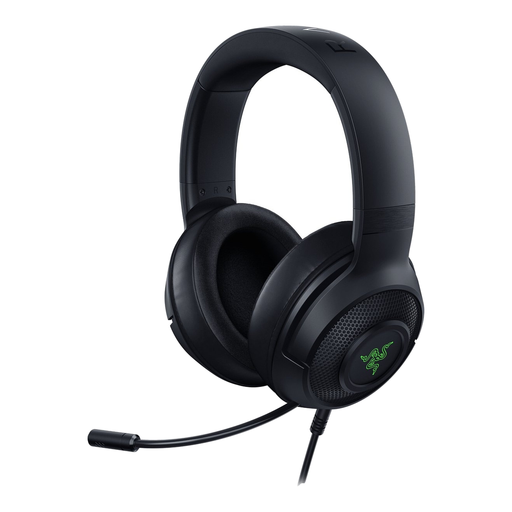
Razer Kraken V3 X, Black
A wired headset for computer-based rehearsals when you want to speak and listen back through your headset.
The description lists a USB connection, cardioid microphone, stereo sound and a 180 cm cable. PC and PS4 are listed as compatible platforms.
View at Joybuy
 No image available
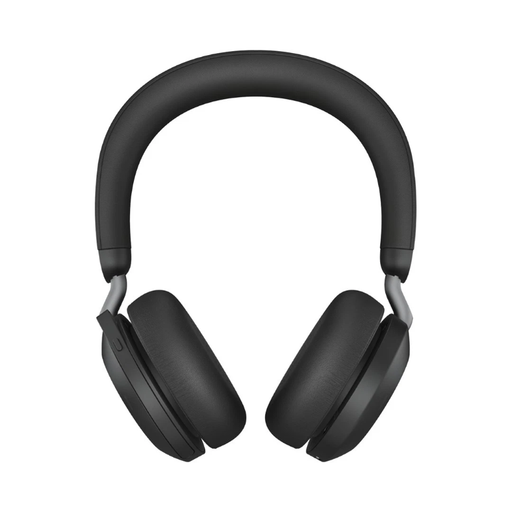
Jabra Evolve2 75
An option if you want to choose between wireless use and a wired connection while practising.
The description lists two microphones, a supplied Bluetooth adapter and a wired connection option via USB-C.
View at Joybuy
 No image available
Logitech PC 960 USB
An option for computer-based rehearsals if you’re looking for a wired headset with a microphone and stereo sound.
The description lists USB, an adjustable microphone arm and volume and mute controls.
View at Joybuy
 No image available
Logitech H340 USB Headset, Black, Wired
An option for computer-based rehearsals if you want to use a wired USB headset with a microphone and stereo sound.
The description lists an adjustable headband and microphone arm.
View at Joybuy
Frequently asked questions
How should you position the microphone for a test recording?
First, follow the instructions for your exact model. For the Shure WH20, Shure recommends positioning the microphone within 25 mm of the right corner of your mouth, not directly in front of it. Then make a test recording at your usual speaking volume.
How should you care for a microphone you wear frequently?
Follow the care instructions for your specific model. Shure advises against cleaning the microphone capsule itself. Remove any detachable foam windscreen before cleaning, and let it dry completely before putting it back on.
What should you check if the headset doesn’t fit properly or breaks?
Before buying, check whether you’ll need a compatible interface, transmitter or receiver as well as the headset. According to the Dutch government, when you buy remotely from a business, you’re often entitled to a 14-day cooling-off period, subject to exceptions. In the Netherlands, your statutory guarantee rights apply alongside any manufacturer’s warranty; there’s no single fixed statutory warranty period for all products.
Can you use a wireless headset microphone in the Netherlands without a licence?
According to the Dutch Authority for Digital Infrastructure, a licence usually isn’t needed if you stay within the applicable licence-exempt frequencies and conditions. Not every frequency is available in every location in the Netherlands. So check the exact set, permitted power and intended location against the latest RDI information. Some frequency bands do require a licence.


