Which option is right for you?

Practising in a shared space

You want to listen back to your script while other people work or talk in the same room. Consider the microphone’s position and directionality, but don’t assume that noise cancellation will remove every other voice. DPA Microphones explains how a cardioid microphone can reject sound outside its preferred direction, and how distance from the sound source affects the result.

Computer user who wants to listen back

You practise on a laptop or computer and want to speak and review your recording through the same headset. The right USB version and the controls you can use while practising are important things to check.

Museum speaker on the move

You want to practise standing or walking, and need a microphone that stays close to your mouth. Also check that the connector is compatible with your recording equipment or wireless system; a standalone headworn microphone does not provide monitoring by itself.

What should you consider when choosing?

Wired computer headset

Suitable if: you record on a computer and want to listen back through the same headset.

Consider: check the USB port; the cable limits how freely you can move.

Broadcast headset with a cardioid microphone

Suitable if: you want to speak and monitor at the same time, and your recording equipment has compatible microphone and headphone connections.

Consider: the standard Audio-Technica BPHS1 has an XLR microphone connection and a 6.3mm headphone plug, not a direct USB connection.

Standalone headworn microphone

Suitable if: you want to practise hands-free while standing or walking, and can choose your monitoring setup separately.

Consider: check the exact connector and whether you need a transmitter or recording equipment; a headworn microphone is not automatically a complete headset.

What to consider What should you check? Who is this important for?
Being understood among other voices Check the microphone’s pickup pattern and adjustability. Make a test recording from the distance you plan to speak at. If other people will be talking in the room during your rehearsal, you’ll want to know how your voice sounds in the recording. Around 36% of consumers give being understood among other voices top priority.
Listening back to your presentation Check whether the product includes both headphones and a microphone, and whether both work with your recording device. If you want to assess your voice through the same headset after practising, a combination of microphone and listening functions is important. Around 29% of consumers prioritise recording and listening back.
Moving freely Check the fit, microphone position and connector. For a wireless system, also check that the transmitter and receiver are compatible. If you rehearse your museum talk standing or walking, you’ll want to keep your hands free and the microphone close to your mouth. Around 21% of consumers give freedom of movement top priority.
Connections and equipment Compare the full model version and plugs with the ports on your computer, recorder or transmitter. Check what’s included with the product. If you want a direct connection without replacing or adding equipment, compare the connections before choosing. Around 14% of consumers make a suitable, straightforward connection their top priority.

Key things to check before buying

  • Confusing noise reduction for your ears with fewer voices in the recording

    Sound isolation from ear cushions and how the microphone works are two different things. A feature that makes listening more comfortable for you doesn’t, by itself, tell you how much background speech the microphone will pick up.

    Check both features separately and listen to a test recording in the room where you’ll be practising.

  • Assuming a professional headset is a USB headset

    The standard Audio-Technica BPHS1 has separate XLR and 6.3mm connections. The Sennheiser HSP 4 is available with different connector versions. Without compatible connections, the combination may not work with your recording equipment.

    Make a note of the ports available and check the full product version before buying.

  • Choosing a standalone headworn microphone when you want to listen back through the same headset

    A standalone headworn microphone does not provide headphones for listening to your recording.

    Decide in advance whether you want to listen through the same device during or after your rehearsal, and choose a compatible monitoring solution as well if needed.

Brands to consider

Logitech

The H390 is a wired computer headset for speaking and listening back. Check whether the version has USB-A or USB-C.

  • Logitech lists an adjustable microphone boom, a mute button and in-line volume controls.
  • The noise-cancelling microphone description is a claim by Logitech, not a measurement in a shared rehearsal space. The headset isn’t designed for moving around freely.

Jabra

The Evolve2 40 SE is a wired business headset for speaking and listening in the same workspace.

  • Jabra describes three microphones, a movable microphone boom and passive sound isolation from the ear cushions.
  • Jabra’s claims about background conversations aren’t a guaranteed result in your rehearsal space. Check the USB connection and whether it’s the mono or stereo version.

Audio-Technica

The BPHS1 is a broadcast headset for speaking with a cardioid microphone and listening through closed-back earcups.

  • Audio-Technica specifies a dynamic cardioid microphone and replaceable cable and ear pads for the standard BPHS1.
  • The standard BPHS1 has separate XLR and 6.3mm connections, so it isn’t the same as a direct USB computer headset. The BPHS1-XF4 has a different connection.

Sennheiser

The HSP 4 is a lightweight cardioid headworn microphone for hands-free speaking with a compatible professional recording or wireless setup.

  • Sennheiser offers connector versions for different systems.
  • The HSP 4 is a microphone, not a complete combination of headphones and computer interface. Check which version is compatible with your equipment.

Shure

The WH20 is a dynamic cardioid headworn microphone for speakers who want to keep their hands free.

  • Shure describes its directionality as a way to reject background noise and lists different connector versions.
  • These are Shure’s product specifications and claims, not the result of a comparative test in a shared recording space. The WH20 does not provide headphone playback.

Joybuy products

These wired headsets are designed for speaking and listening back during a rehearsal. Check the connection to your computer and make a test recording in the shared space.
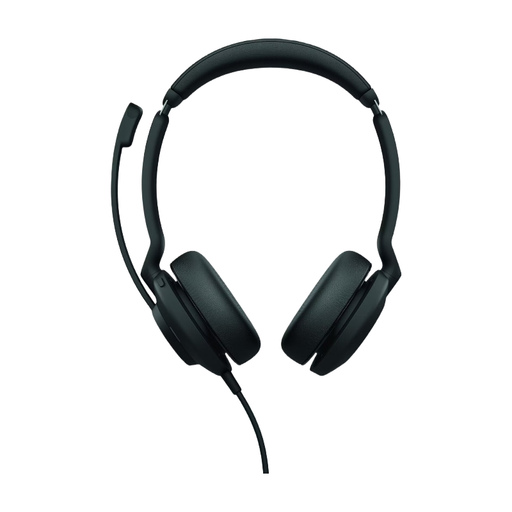
Jabra Evolve2 30 SE headset

Jabra Evolve2 30 SE

A wired headset for speaking and listening back through the same device; check that USB-A is compatible with your computer.

USB-A connection, two integrated microphones and stereo playback.

View at Joybuy
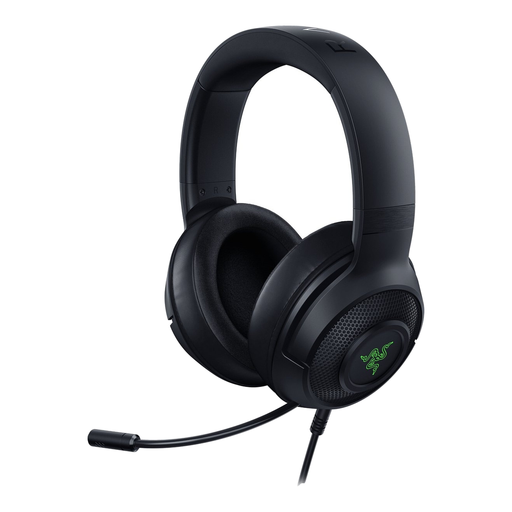
Razer Kraken V3 X headset, black

Razer Kraken V3 X, black

A headset with a microphone and stereo playback for speaking and listening through the headset; make a test recording to see how it sounds in your space.

The product description mentions a cardioid microphone and stereo audio.

View at Joybuy

Logitech PC 960 USB headset

Logitech PC 960 USB

This wired headset combines speaking and listening back; bear the cable in mind if you want to move around while practising.

The description lists an adjustable microphone boom and in-line volume and mute controls.

View at Joybuy

Logitech H340 USB headset, black, wired

Logitech H340 USB headset, black, wired

A computer headset for speaking and listening back; check that the USB connection is compatible with your device.

The description mentions an adjustable microphone, mute controls and digital stereo playback.

View at Joybuy
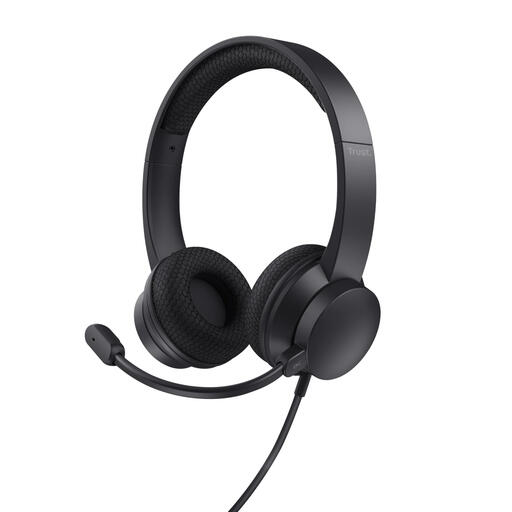
Trust Ayda wired headset with headband, USB Type-A, black

Trust Ayda wired headset, USB Type-A, black

A wired headset for speaking and listening back; the cable limits how freely you can move while practising.

The product title specifies USB Type-A. The description mentions a flip-up mute microphone and stereo playback.

View at Joybuy

Frequently asked questions

Should I choose a USB headset or a professional headworn microphone for a computer?

A compatible USB headset is a practical option if you want to record and listen back on your computer. With a standalone professional headworn microphone, you’ll need to check that the specific connector is compatible with your transmitter, recorder or other recording equipment.

How should I position the microphone boom for a test recording?

Start with the microphone boom at mouth level, following the fitting instructions for your chosen headset. Listen back to the test recording while the room is being used as usual; with a cardioid headworn microphone, a change in position can alter the sound.

What can I do if a headset doesn’t work properly after I buy it?

For a consumer purchase in the Netherlands, a product must comply with the agreement; if there’s a fault, the seller is your point of contact for a solution. Online purchases from a business generally also come with a 14-day cooling-off period, subject to legal exceptions. The Dutch government explains these consumer rights.

Can I make identifiable recordings of other people in a shared space?

A sound recording that makes someone identifiable may be personal data. According to the Dutch Data Protection Authority, the GDPR has an exception for purely personal or household use; if an organisation processes identifiable recordings, it must establish an applicable legal basis under the GDPR. Which rules apply to your rehearsal depends on who makes the recording and what happens to it. Consent is one possible legal basis, but it isn’t automatically the only one.
