What should you look for when choosing one?
Headset with integrated headphones
Suitable if: you want to monitor your monologue through the same headset.
Keep in mind: the connector and any power requirements must be compatible with your recording device. For the RØDE NTH-100M, RØDE describes a suitable adapter that supplies plug-in power when using an XLR microphone input.
Closed-back broadcast headset with dynamic microphone
Suitable if: you’re looking for a closed-back headset with a directional dynamic microphone and your recording equipment supports its connections.
Keep in mind: the Audio-Technica BPHS1 and Sennheiser HMD 300 require different cables. A directional polar pattern does not replace careful positioning.
Broadcast headset with condenser microphone
Suitable if: you’re looking for a condenser version and can configure your recording setup accordingly.
Keep in mind: the beyerdynamic DT 297 PV MK II is supplied without a connection cable. Check the exact version you’ve chosen and the microphone power it requires.
Head-worn microphone without headphones
Suitable if: you want freedom of movement while performing and can monitor separately.
Keep in mind: the Shure SM35-TQG is designed for a compatible bodypack; the SM35-XLR is a different version with a preamp.
For this Dutch monologue recording, one main buying concern is highlighted for each consumer. Position the capsule beside your mouth and outside the direct airflow; Shure recommends placing it at the corner of your mouth.
| Consideration |
What to look for when buying |
Who is this important for? |
| Close-up speech without plosives |
Check whether the microphone boom is adjustable. Make a test recording with the capsule beside your mouth and outside the airflow. |
When I speak close to the microphone, I don’t want my p sounds and breathing to come through unnecessarily loudly in the recording. For around 36% of consumers, plosive-free close-up speech is the main concern. |
| Background noise |
Compare the microphone’s polar pattern with the room and consider the capsule’s position. DPA Microphones explains that a cardioid microphone can generally pick up less sound from outside its main direction. |
In a lively room, I want my voice to remain clear and distractions to be limited when monitoring the recording. For around 29% of consumers, background noise is the top concern. |
| Connection and monitoring |
Compare the exact model and cable with the inputs, headphone output and available power on your recorder. |
I want to know in advance whether I can connect my recorder and headphones at the same time, without overlooking a cable or power supply I need. This is the main priority for around 21% of consumers. |
| Freedom of movement and wearing comfort |
Decide whether you want to monitor while speaking and whether a cable will restrict your movement. If you’re using a wireless setup, check the complete system. |
When I move my head while performing, I want the microphone to stay in place and the chosen way of wearing it to feel comfortable. Around 14% of consumers put freedom of movement and wearing comfort first. |
Headsets at Joybuy
These products are headsets with microphones for speaking and monitoring. For each model, check that its connection and microphone are compatible with your recorder and the way you want to record your monologue.
 No image available
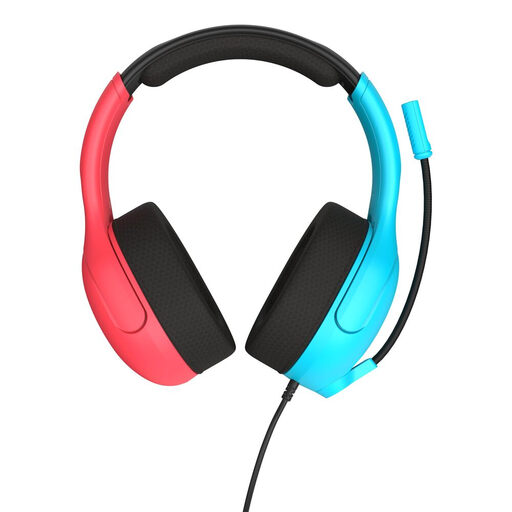
Turtle Beach Airlite Fit Gaming Headset, Wired, 3.5 mm, Blue/Red
The microphone can be positioned towards your mouth and flipped up to mute; the ear cups provide headphones for monitoring.
Wired, with a 3.5 mm connection. Check that your recording device supports this connection.
View at Joybuy
 No image available
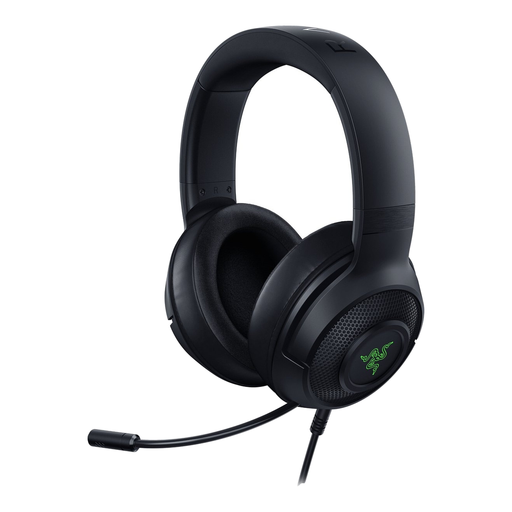
Razer Kraken V3 X Headset, Black
An option to compare if you’re looking for a headset with a cardioid microphone; recording quality also depends on the direction and position of the capsule.
The product description lists a cardioid microphone. Check that the connector on the version you choose is compatible with your recording device.
View at Joybuy
 No image available
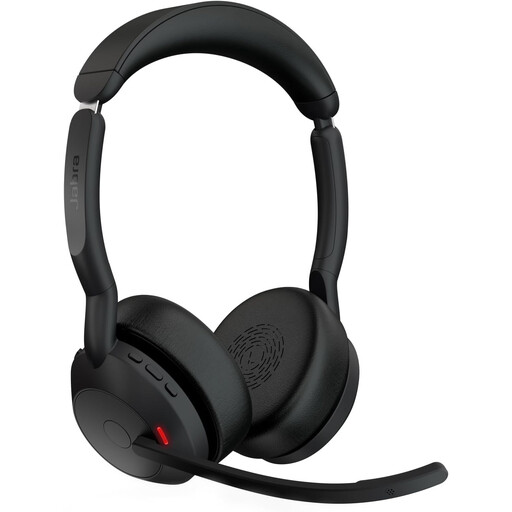
Jabra Evolve2 55 Wireless Stereo Headset, Black
The flexible microphone boom can stay near the speaker as they move their head; the stereo headset lets you monitor at the same time.
The description lists a Link 380 USB-C Bluetooth adapter and a USB-A cable. Check which connection option is compatible with your recording device.
View at Joybuy
 No image available
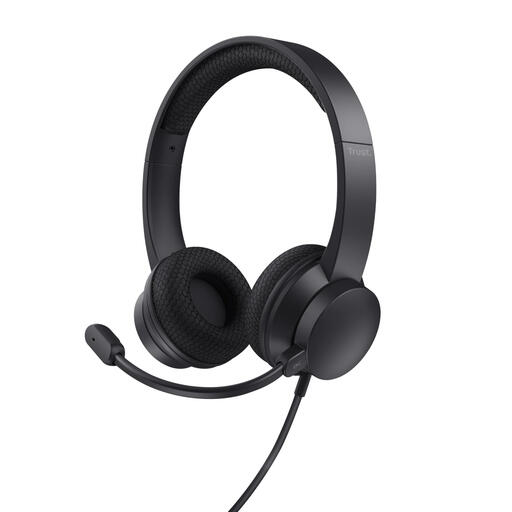
Trust Ayda Noise-Cancelling Wired Headset, USB-A, Black
This wired headset has a microphone and ear cups for monitoring while you speak.
The description lists USB-A and a USB-C adapter cable. Check that the connection works with your recorder or computer.
View at Joybuy
 No image available
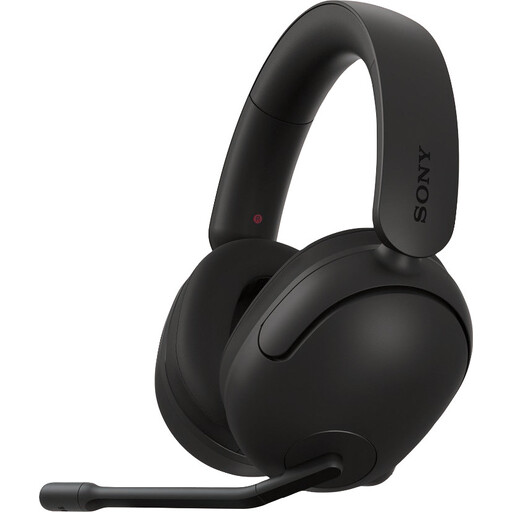
Sony INZONE H3 Wired Gaming Headset, Black
The adjustable microphone can be positioned close to your mouth; the headset has ear cups for monitoring.
The description lists a unidirectional microphone and connection options via 3.5 mm or a USB audio box. Check which option is compatible with your recording device.
View at Joybuy
Frequently asked questions
Where should you position the microphone for a monologue?
Position the capsule beside your mouth and outside the direct airflow, not directly in front of your lips. For the SM35, Shure recommends placing it at the corner of your mouth; DPA Microphones explains that the right distance also depends on your breath and movement.
Can you plug a headset with a single connector straight into your audio interface?
That depends on the headset and the connections on your audio interface. For the NTH-100M, RØDE describes a TRRS cable with a splitter; for connection to an XLR microphone input, the manufacturer lists a suitable adapter that supplies plug-in power. Other models may use separate plugs or be supplied without a connection cable.
What should you check when using a wireless headset microphone in the Netherlands?
Check the frequency and the requirements for the place where you’re recording. The Dutch Authority for Digital Infrastructure states that some frequency bands require a licence and that not all shared UHF frequencies are available everywhere.
What are your rights if your headset breaks too soon during normal use?
According to ACM ConsuWijzer, the seller must put right a product that develops a fault too soon during normal use, at no cost to you. This could mean a repair, replacement or refund. Your statutory rights are not automatically limited by the length of a manufacturer’s warranty.
Do you have a cooling-off period for an online purchase?
According to ACM ConsuWijzer, online purchases generally come with a statutory cooling-off period of up to 14 days after delivery, although exceptions apply. Before breaking any seal, check whether an exception applies to your purchase.


