What should you consider when choosing?
First, decide how the microphone should sit on camera and during a long take. Then check that the connection is compatible with your recording equipment and consider whether you really need wireless freedom to move.
Wired standalone headworn microphone
Choose this option if: you want to keep your hands free and don’t need ear cups. RØDE specifies a 3.5 mm input with plug-in power for the HS2; the Audio-Technica PRO8HEx has a 3-pin XLR connection.
Keep in mind: neither is automatically suitable for connecting directly to a laptop’s USB port.
Wired USB headset
Choose this option if: you record at a computer, want to monitor your audio and value an easy connection more than a barely visible microphone. Logitech lists USB-A and ear cups for the H540.
Keep in mind: the ear cups will be visible on camera, and comfort during a long take is a personal matter. Logitech positions the H540 for calls, not as a proven better microphone for voice-overs.
Wireless headworn microphone system
Choose this option if: you move beyond the reach of a cable while explaining something and can use a complete transmitter-and-receiver system. Shure describes the GLX-D+ GLXD14+/SM35 as a system with an SM35 headworn microphone and GLXD4+ receiver.
Keep in mind: check what’s included, the power requirements and the frequency variant. According to the Dutch Authority for Digital Infrastructure, available UHF spectrum varies by location, and a licence is required for some bands.
| What to consider |
What to look for when buying |
Who is this important for? |
| Style and microphone position |
Check whether the arm is adjustable, which side it can sit on and whether the ear cups will work on camera. RØDE, Audio-Technica and Logitech describe different styles. |
For a long explanation, I want a microphone that stays comfortable and in place while I speak and gesture. Around 36% of consumers prioritise style and microphone position. |
| Clarity in background noise |
Compare the stated polar pattern and listen to a test recording made with your own ventilation, room and speaking position. Audio-Technica describes the PRO8HEx as hypercardioid; RØDE describes the HS2 as omnidirectional. |
If my room is noisy, I want to hear how the microphone performs in my own recording, rather than relying only on a product description. Around 29% of consumers give background noise top priority. |
| Connection to your recording setup |
Make a note of the exact input and check the power requirements: Logitech lists USB-A for the H540, RØDE specifies plug-in power for the HS2, and Audio-Technica lists a 3-pin XLR connection for the PRO8HEx. |
I want to connect my recording equipment without discovering afterwards that I need a different input or power supply. Around 21% of consumers prioritise ease of connection. |
| Freedom to move without interrupting a take |
Consider whether you’ll actually move beyond the reach of a cable while explaining something. For a wireless system, check the transmitter, receiver, power supply and frequency band; the Dutch Authority for Digital Infrastructure notes that available UHF spectrum can vary by location. |
If I want to walk around while explaining something, I want to know whether the complete wireless system will work at my location. Around 14% of consumers give freedom to move top priority. |
Headsets on Joybuy
This selection includes wired and wireless headsets with microphones for voice communication. For long explanatory recordings, check that the connection, style and recording settings suit the way you work.
 No image available
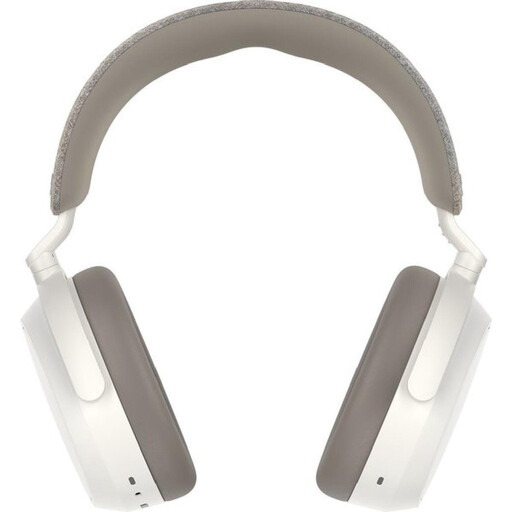
Sennheiser MOMENTUM 4 Wireless – over-ear headphones, white
Suitable if you also want to listen through headphones while recording speech; check that the wireless connection works with your recording setup.
Wireless; stated battery life: 60 hours; four microphones.
Joybuy
 No image available
Razer Kraken V3 X – headset, black
A headset option if you’re looking for an integrated microphone for speech; check your computer’s connection and recording settings before you start.
Joybuy
 No image available
Jabra Evolve2 75 – headset
Suitable if you want to use a headset microphone for voice communication; check which connection and connectors are compatible with your recording equipment.
Joybuy
 No image available
Logitech PC 960 – wired USB headset
A wired USB headset if you’re looking for a computer setup with a microphone; check that the USB connection is compatible with your device.
Joybuy
 No image available
Logitech H650e – wired stereo headset
A wired headset option if you want to use a microphone while recording speech; check that the connection is compatible with your recording equipment.
Joybuy
Frequently asked questions
Is a standalone headworn microphone the same as headphones with a microphone?
No. The RØDE HS2 and Audio-Technica PRO8HEx are standalone headworn microphones; the Logitech H540 also has ear cups for monitoring your audio. Choose based on what you want to wear and connect while recording.
Can I connect a RØDE HS2 or Audio-Technica PRO8HEx directly to my laptop?
That depends on the inputs on your laptop or recording device. RØDE says the HS2 needs a 3.5 mm microphone input with plug-in power; the wired PRO8HEx has a 3-pin XLR connection. Check these requirements before buying.
How can I stop the microphone shifting out of place during a long take?
Adjust the arm and make a short test recording while speaking and gesturing. RØDE describes the HS2’s arm as adjustable; Audio-Technica says the PRO8HEx arm can be worn on either side. Listen back to check that the position works for your recording.
Can I use any wireless headset microphone in the Netherlands without a licence?
No, not every frequency can be used without a licence. The Dutch Authority for Digital Infrastructure publishes licence-exempt bands and their conditions, lists some other bands that require a licence, and notes that available UHF spectrum varies by location. So check the system’s frequency variant and where you’ll be recording.
What are my rights when buying a microphone online in the Netherlands?
According to the Dutch government, distance purchases often come with a 14-day cooling-off period, although there are exceptions. The Dutch government also states that there is no fixed statutory warranty period; if a product is faulty, contact the seller.


