
Museum speaker recording at home
You want to record your script on a computer and listen back straight away, without a separate receiver or mixer.


If you record your museum script and listen back on a computer, a wired USB headset with a compatible port is a good fit. If you want to walk around or practise through a loudspeaker, choose a standalone headset microphone that suits an input you already have, or a complete wireless set with a compatible receiver. For wireless systems, also check the exact frequency version and whether it is available at your rehearsal venue.
You want to record your script on a computer and listen back straight away, without a separate receiver or mixer.
You want to walk and gesture as you practise, with as little equipment on your body as possible. The equipment you use to record or amplify your voice determines which connection will work.
You want to practise through a loudspeaker or existing sound system. So check the microphone input, the entire signal chain and the position of the loudspeaker.
A good fit if: you want to record, listen back or present online at a computer, and it has a compatible USB port.
Bear in mind: the cable limits how far you can move, and a USB headset won’t connect directly to an XLR mixer or venue sound system.
A good fit if: you want to keep your hands free and already have a suitable microphone input, transmitter or mixer. The Shure WH20XLR has an XLR plug; the RØDE HS2 has a 3.5mm TRS plug and requires plug-in power, according to RØDE.
Bear in mind: a standalone microphone isn’t a complete USB headset or amplification system; connectors and power requirements vary by model.
A good fit if: you want to walk around as you rehearse and send the signal to a compatible mixer or loudspeaker. The Sennheiser XSW 1-ME3-BC includes a headset, bodypack and stationary receiver.
Bear in mind: you’ll need a receiver and a compatible audio input. Also check the power requirements and exact frequency version for your venue.
| What to consider | What should you check? | Who is this important for? |
|---|---|---|
| Recording and listening back | Check the USB connection and your computer’s recording settings, and make sure the microphone position and mute control are practical to use. | I want to record my script directly on a computer and listen back, without a separate receiver. Around 42% of consumers say easy recording and playback is their top priority. |
| Freedom to move | Check whether the set includes a headset, transmitter and receiver, what the receiver connects to, and how both devices are powered. Also check the frequency version. | If I want to walk around as I practise, freedom of movement matters more than a wired connection. Around 33% of consumers give freedom to move their highest priority. |
| Speaking with amplification | Find out which microphone input and receiver, if any, are required, and where the loudspeaker will be positioned. Test the complete setup at the intended volume; for UHF, check the frequency and local availability. | I want to practise through a loudspeaker, so I need to make sure the microphone, receiver and sound system work together. Around 25% of consumers say practising with amplified room sound is their top priority. |
A USB computer headset and a standalone XLR headset microphone use different connections. For example, the Logitech H390 has USB-A, while the Shure WH20XLR has an XLR plug.
First decide what you’ll connect to during your rehearsal, then check the connector on the microphone.
You may need a compatible microphone or additional audio equipment for a different input.
A compact wireless microphone still needs a receiver that connects to your recording or amplification equipment. The Samson AirLine Micro uses a separate transmitter and receiver.
Check exactly what’s included in the set, which output the receiver has, and how the devices are powered.
If a receiver, cable or power supply is missing or incompatible, you may need additional equipment.
The Dutch Authority for Digital Infrastructure (RDI) points out that not every listed frequency is available at every location in the Netherlands; some bands require a licence.
Before use, check the frequency version and transmission power against the latest RDI information for your rehearsal venue.
Computer headsets for recording and listening back at a computer; the H390 is one example with USB-A.
Standalone headset microphones for use with existing audio equipment.
Standalone, compact headset microphones, including the HS2.
Wireless headset systems for speakers; the XSW 1-ME3-BC is one version with a bodypack and stationary receiver.
Portable wireless earset systems; the AirLine Micro Earset is one example that doesn’t need a separate beltpack.
These product picks are aimed at practising and recording at a computer with a wired headset. Before you buy, check that the connection is compatible with your device.
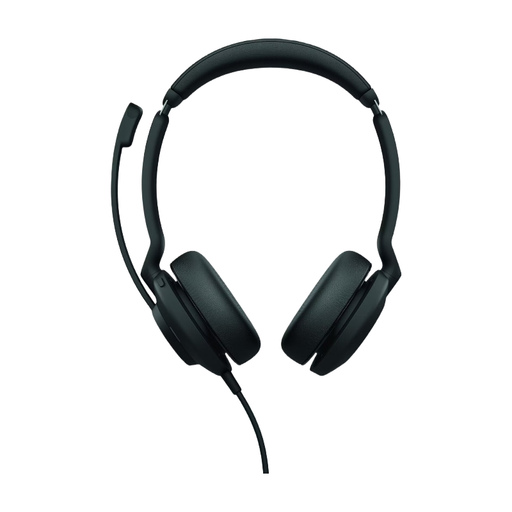 Image unavailable
Wired computer headset for practising at a computer; check that this model’s connection is compatible with your computer and recording settings.
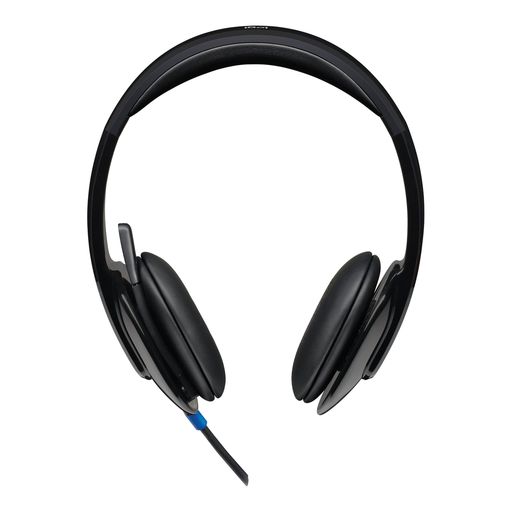 Image unavailable
A wired USB headset for practising at a computer; check that the USB connection is compatible with your device and recording settings.
 Image unavailable
Wired USB computer headset for practising and recording; check that the USB connection is compatible with your computer.
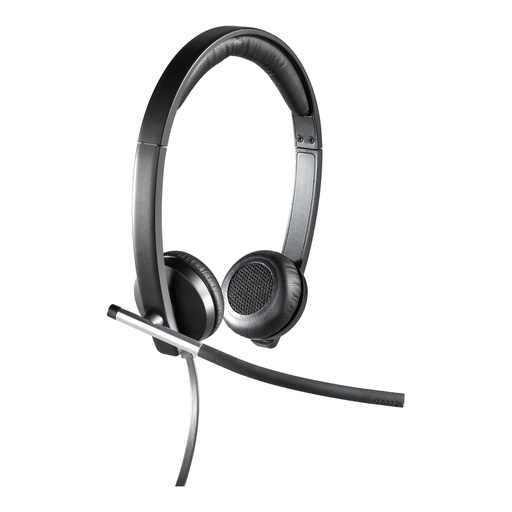 Image unavailable
Wired stereo headset for a computer setup; before you buy, check that the connection is compatible with your recording device.
 Image unavailable
Wired USB headset for practising at a computer; check that the USB connection is compatible with your device and recording settings.
No, a standalone microphone on its own isn’t enough. You’ll also need a compatible microphone input or wireless receiver, amplification equipment and a loudspeaker. The Shure WH20XLR is an XLR microphone; the Sennheiser XSW 1-ME3-BC includes a receiver, but not a loudspeaker.
Keep the microphone and loudspeaker at a suitable distance and test the setup at the intended volume. According to Shure, feedback and howling can be affected by the positions of the microphone and loudspeaker, the volume and the room acoustics. A directional microphone isn’t guaranteed to prevent it.
You can’t tell from the plug diameter alone. The RØDE HS2 uses TRS and requires plug-in power, while phones and some laptops use TRRS connections. Check your device’s connection and whether you need a compatible adapter.
That depends on the frequency band and the conditions of use. The RDI lists bands that can be used licence-free, subject to conditions on frequency and transmission power; some other bands require a licence. Availability can also vary by location in shared UHF bands, so check the exact version and your rehearsal venue.
Check in advance whether your setup includes the required receiver, adapter, cable or loudspeaker. When you buy remotely from a business, you’ll usually have a 14-day cooling-off period. According to the Dutch government, there’s no fixed statutory warranty period in the Netherlands; also check the seller’s information for your purchase.