
Presenter recording directly on a computer
You want to record seated without connecting a separate interface. Check the computer port, microphone position and how easy the controls are to reach.


If you’re recording directly on a computer and want to keep connections simple, look for a wired USB headset with a compatible port. An over-ear headset with a microphone is a sensible choice if you also want to monitor your audio while recording. A broadcast headset with separate plugs is best suited to recording equipment with the right inputs. Check the connections on the exact model and make a test recording in your own space: specifications and claims about call quality don’t automatically predict how a film recap will sound.
You want to record seated without connecting a separate interface. Check the computer port, microphone position and how easy the controls are to reach.
You want to listen to your voice through a headset. Choose the connection to suit the recorder, mixer or computer you use.
You want to check in advance how much of the microphone boom and earcups will be in shot. If the microphone needs to stay out of view, compare other types of microphone too.
A good fit when: you record directly on a computer and want a straightforward connection.
Check: make sure the USB version matches your computer’s port; claims about call quality don’t prove voice-over quality.
A good fit when: you want to listen through the headset while recording and adjust the position of the microphone boom.
Check: for the RØDE NTH-100M, RØDE specifies the supplied TRRS cable; an XLR input requires a suitable adapter with plug-in power.
A good fit when: you already have compatible microphone and headphone connections on a mixer or audio interface.
Check: according to Audio-Technica, the BPHS1 has an XLR connection for the microphone and a 6.3 mm connection for the headphones; it isn’t a direct USB headset.
| What to consider | What to look for | Who is this most relevant to? |
|---|---|---|
| Clear speech | Make a test recording using your normal speaking voice, including plosive sounds, and the background noise in your space. Check that you can position the microphone boom properly. | If a clear, even narration is my main priority, I test the microphone in my own space. Around 33% of consumers put speech recording first. |
| Connection | Compare the plugs on the exact model with the inputs and outputs on your device. According to Audio-Technica, the BPHS1 has separate XLR and 6.3 mm plugs; RØDE specifies the TRRS cable and connection requirements for the NTH-100M. | If I want to use my existing computer, recorder or mixer, I check the connections first and find out whether I’ll need an adapter. Connection is the top priority for around 27% of consumers. |
| Comfort | Check the fit, adjustability and ear cushions on the model you choose. Comfort is personal, so assess it during a recording session. | For a longer seated recording, I want the headband and earcups to stay comfortable. Around 20% of consumers prioritise comfort. |
| Visibility on camera | Record a test shot with your intended framing and check whether the microphone boom and earcups can be seen. RØDE suggests a lavalier as an alternative if you want the microphone to be less noticeable. | If I’ll be on camera, I want to know in advance how the headset will appear in the recording. Around 20% of consumers prioritise how they look on camera. |
Logitech and Jabra position their headsets for calls and work. That doesn’t tell you how your narration or room will sound in a film recap.
Make a test recording and assess clarity, background noise and plosive sounds before choosing a model.
USB, TRRS and separate microphone and headphone plugs are different connection options. According to RØDE, the NTH-100M microphone needs a suitable adapter that provides plug-in power when used with an XLR input.
Compare the connections on your recording device with those on the exact headset model, and check whether you’ll need a splitter or adapter.
According to Audio-Technica, the BPHS1 has an XLR microphone plug and a 6.3 mm headphone plug; the BPHS1-XF4 has a different connection for intercom systems.
Check the full model name and the cable supplied before ordering.
The microphone boom and earcups may be visible when you’re being filmed. RØDE suggests using a microphone positioned out of shot, such as a lavalier, if you want the microphone to be less noticeable.
Start by recording a test shot with your preferred framing. If the headset is visible and doesn’t suit your recording, compare a different microphone set-up.
The NTH-100M combines over-ear headphones with a detachable microphone boom, for anyone who wants to record and monitor audio with one headset.
The BPHS1 is a broadcast headset designed for use with separate microphone and headphone connections.
The Zone Wired is a wired USB headset for computer use, with in-line controls.
The Evolve2 40 SE is a wired office headset with a microphone boom, for anyone comparing computer recording with an office-focused design.
These product picks are headsets with microphones for recording a film recap while seated. For each model, check the connection and features that suit your recording device and way of working.
 No image available
The product information lists PC use and a microphone for voice communication.
Cardioid microphone; weight 285 g.
 No image available
A headset to consider if you’re comparing microphones for calls and computer connections; this doesn’t prove how the microphone will record a voice-over.
Bluetooth; connects to two devices; eight microphones with beamforming for calls.
 No image available
The mono version is worth comparing if you’re looking for a headset with a microphone for recording while seated.
Bluetooth; USB-A adapter; three microphones; memory foam ear cushions.
 No image available
The USB connection and flexible microphone boom make this an option to compare for recording on a computer.
Microphone boom rotates 270 degrees; 1.8 m USB cable; adjustable padded headband.
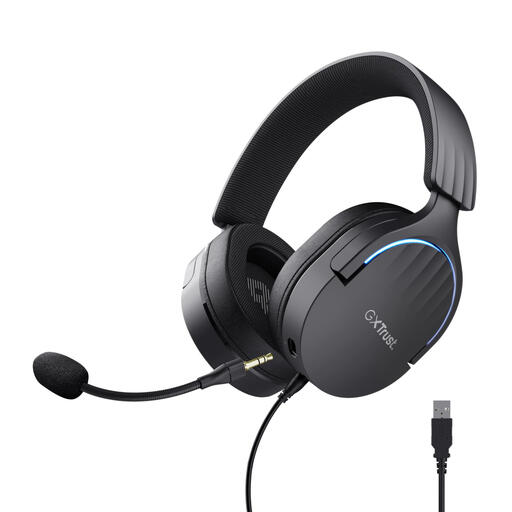 No image available
The USB connection and flexible microphone are features to consider when comparing headsets for computer recording.
Detachable microphone; volume and mute controls on the earcup; soft ear cushions.
No, not if you’re recording directly on a computer with a compatible connection. The Audio-Technica BPHS1 uses a separate XLR plug for the microphone, so you’ll need a suitable input; first check which connections you already have.
Position the microphone boom close to your mouth, select the correct input in your recording software and make a short test recording using your own script. Jabra recommends keeping the microphone close to your mouth on its headset; listen for yourself to see how the recording sounds in your space.
Not with just the headset plug. RØDE specifies a suitable adapter for the microphone that provides the required plug-in power when connecting to XLR. Also check how to connect the headphones for monitoring.
When you buy as a consumer in the Netherlands, you’re entitled to a product that complies with the purchase agreement. According to the Dutch government, there’s no fixed statutory warranty period. If a product is faulty, contact the seller to discuss an appropriate solution.