
People recording with an audible fan
If you can’t easily switch off the fan, consider the microphone’s position and pickup pattern. Only a test recording will tell you how your voice sounds in your room.


For recording on a computer, a wired USB headset with an adjustable microphone boom is a practical starting point, provided the connection and recording source are compatible. If you have suitable recording equipment and want to position the microphone precisely, a standalone cardioid headworn microphone may be suitable, but it isn’t a complete USB headset. None of these specifications guarantees that fan noise will disappear from your recording, so make a test recording with the fan running.
If you can’t easily switch off the fan, consider the microphone’s position and pickup pattern. Only a test recording will tell you how your voice sounds in your room.
If you want to get started without separate audio equipment, check that the headset is compatible with an available port and that your recording software is using the headset microphone as its input source.
A standalone headworn microphone may be suitable if you already have a compatible microphone input or bodypack. Check the connection, power requirements and microphone pickup pattern.
Choose this option: if you want to record directly on a computer without a separate microphone receiver.
Bear in mind: Logitech describes the Zone Wired as having two microphones and suppressing noise such as HVAC noise during calls. This isn’t a measurement of how it performs when recording a course with a fan running.
Choose this option: if you have suitable recording equipment and want to position the microphone in relation to the fan.
Bear in mind: Shure describes the PGA31-TQG as a cardioid microphone with a TA4F connector for a compatible Shure bodypack; it isn’t a USB headset.
Choose this option: if having a compact microphone with a compatible input and power supply matters more than directional noise rejection.
Bear in mind: RØDE describes the HS2 as omnidirectional. The microphone requires a 3.5mm input that supplies plug-in power.
| What to consider | What to look for when buying | Who should consider this? |
|---|---|---|
| Keeping your voice clear | Check how adjustable the microphone is and what pickup pattern is specified; listen to a test recording with the fan running. | If the fan needs to stay on while you record your course introduction, the key thing is how clearly your voice comes through in the recording. Around 42% of consumers say voice clarity in the presence of fan noise is their top priority. |
| Connecting to your computer | Check the type of USB port, whether you need an adapter and which recording source is selected. | If you want to record directly on your computer without a separate receiver, a compatible connection is important. Around 25% of consumers prioritise connecting directly to a computer. |
| Using your own recording equipment | Check the connector type, power requirements and compatibility with your recorder or bodypack. | If you already have a recorder or bodypack, you’ll need a microphone that works with it. Around 17% of consumers prioritise compatibility with their existing recording equipment. |
| Ease of use and fit | Consider whether you need a complete headset or just a microphone, and check the wearing style of the model. | For a short recording, you may simply want a complete headset that feels comfortable to wear and is easy to use. Around 16% of consumers prioritise ease of use and fit. |
Hearing less fan noise through the earcups doesn’t automatically mean less noise will be picked up in your recording.
Check whether a feature applies to the microphone, and listen to a recording you made with the fan running.
A standalone microphone may need additional equipment. The Shure PGA31-TQG and RØDE HS2 also have different connection and power requirements.
Check the connector, power supply and recording equipment you already have before choosing.
You may need a compatible bodypack, recorder or suitable microphone input to use it.
According to the Dutch government, the Netherlands has no fixed statutory warranty period. A manufacturer’s warranty is an additional promise and doesn’t replace your statutory rights.
Keep your proof of purchase and contact the seller if the product is faulty.
The range includes USB computer headsets, from the H340 to the Zone Wired.
The Blackwire 3300 series offers wired computer headsets in a range of wearing styles.
The IMPACT 400 series includes wired business headsets, with features that vary by model.
The PGA31-TQG is a standalone cardioid headworn microphone for use with compatible equipment.
The HS2 is a standalone, low-profile headworn microphone for use with a compatible microphone input.
These wired headsets are for anyone who wants to record on a computer. Check the connection for each model and make a test recording with the fan running.
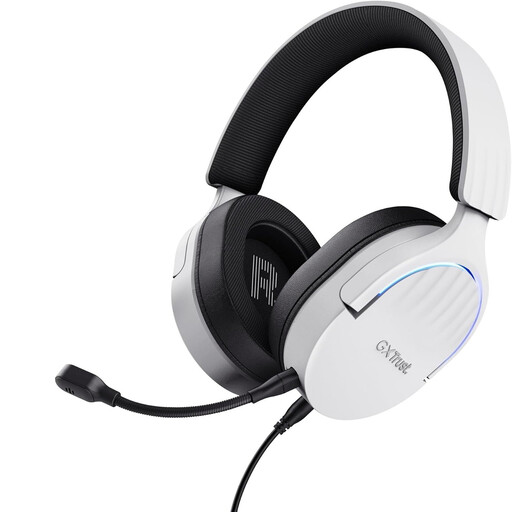 No image available
This wired headset is an option if you want to record directly on a computer; check that the connection is compatible with your computer.
The product name specifies USB Type-A and the colour White.
 No image available
This headset is included in the wired USB category. Before recording, check which connection your computer and recording software use.
 No image available
This wired USB model is suitable if you want to use a headset with a computer; check whether your computer recognises the microphone as a recording source.
The product name specifies USB and a wired design.
 No image available
This wired USB headset is designed for computer use. Make a test recording to check how your voice sounds with the fan running.
The product name specifies USB and a wired design.
 No image available
This wired headset is an option for computer recording; check the connection and listen to a short test recording first.
The product name specifies a stereo model with a wired connection.
Not necessarily. Check whether the feature applies to the microphone and make a test recording with your fan. A microphone close to your mouth can improve the balance between your voice and background noise, but the product specifications don’t guarantee the final result.
Connect the headset to a supported port on your computer, select it as the microphone in your recording software, and listen to a short test recording. For example, the Logitech H340 uses USB-A or a suitable adapter.
Not as a USB headset. Shure specifies a TA4F connector for a compatible Shure bodypack, so check that your complete recording setup is compatible with this connection.
According to the Dutch government, distance purchases from a business generally come with a 14-day cooling-off period, subject to relevant exceptions and conditions. There is no fixed statutory warranty period in the Netherlands; statutory rights relate to your entitlement to a product that is fit for purpose.
This depends on the specific recording and the responsibilities of the organisation involved. The Dutch Data Protection Authority advises educational institutions to make arrangements for recordings, retention periods and informing the people concerned, among other things. Ask the responsible institution to assess what applies to your recording.