Who is this suitable for?

Recording next to a fan

If you can’t easily switch the fan off, pay attention to the microphone’s position and listen back to a test recording. Shure recommends keeping the microphone close to your voice and pointing it away from the source of unwanted noise.

One-off computer recording

If you want to record without a separate audio interface, check which connection your computer has. Logitech describes the H390 as a computer headset with USB-A.

Recording while monitoring your voice

If you want to assess how your voice sounds as you record, check whether the headset includes headphones and how they connect. According to the manufacturer, the Audio-Technica BPHS1 has closed-back earcups and separate microphone and headphone connections.

What should you look for when choosing?

USB computer headset

Suitable if: you want to record directly on a computer and the USB connection is compatible with your device.

Bear in mind: a USB connection or noise-cancelling claim doesn’t guarantee a clean recording with your fan.

Broadcast headset with headphones

Suitable if: you want to monitor your voice while recording and have compatible microphone and headphone connections.

Bear in mind: the standard Audio-Technica BPHS1 uses separate XLR and 6.3mm connections and isn’t a plug-and-play USB computer headset.

Separate headset microphone

Suitable if: you want to keep a microphone close to your mouth and can arrange monitoring separately.

Bear in mind: the Shure WH20XLR needs a compatible XLR signal path, and you’ll need separate headphones to listen back.

What to consider What to look for Who should consider this most?
Clear speech with fan noise Check that the microphone can be adjusted and positioned; make a test recording with the fan on. If the fan will be running while you record, you’ll want to hear whether your voice is clear; around 42% of consumers put speech clarity first in this situation.
Computer connection Check whether the model uses USB-A, USB-C or separate audio connectors, and whether your computer supports them. If you want to record on your computer without extra equipment, the connection you already have is crucial; around 25% of consumers prioritise an easy connection.
Monitoring while recording Check whether the headset has earcups and how the headphones connect to your recording equipment. If you want to assess the sound as you record, you’ll need a suitable way to listen back; around 17% of consumers prioritise monitoring.
Microphone position when moving Check that the microphone boom stays in place when adjusted, and that the cable and connection suit your setup. If you move around while recording, you’ll want to be able to keep the microphone close to your mouth; around 16% of consumers prioritise a consistent microphone distance.

Common buying mistakes

  • Confusing noise reduction for your ears with a cleaner microphone signal

    Earcups can block out background noise for you without removing it from the recording.

    Assess the microphone and listen back to a test recording; don’t judge by how quiet the headset sounds to you.

  • Buying an XLR headset for a computer with USB only

    The standard Audio-Technica BPHS1 and the Shure WH20XLR don’t have the direct USB connection found on a computer headset such as the Logitech H390.

    Before buying, map out the complete signal path from the microphone to the recording device, as well as the headphone connection if you want to monitor your voice.

    Some setups require additional compatible recording equipment. What you need depends on the connections you already use.

  • Assuming a noise-cancelling claim guarantees protection from fan noise

    A product description or claim about calls won’t tell you how your recording will sound with your fan.

    Test the headset in the place you intend to record, with the fan on, and first try adjusting the microphone’s distance and direction.

Brands to consider

Logitech

Logitech offers computer headsets such as the H390 for anyone who wants to record directly on a computer.

  • For the H390, Logitech lists USB-A, on-cable controls and a noise-cancelling microphone.
  • These specifications aren’t an independent measurement of how well it reduces fan noise during a recording.

Audio-Technica

The BPHS1 is a broadcast headset for voice recording when you also want to use headphones.

  • According to the manufacturer, the BPHS1 has a cardioid dynamic microphone and closed-back earcups.
  • The standard model uses separate XLR and 6.3mm connections, so you’ll need suitable equipment to use it with a USB computer setup.

Shure

Headset microphones such as the WH20 are designed for anyone who wants a microphone close to their mouth and can arrange monitoring separately.

  • Shure describes the WH20 as a cardioid microphone with an adjustable headband.
  • The WH20XLR is an XLR connector version; check that it’s compatible with your recording input.

HP Poly

The Blackwire 5200 series is a wired communications headset with a choice of wearing styles and connections.

  • HP lists microphone noise reduction and a choice of connections for the series.
  • The 5210 is mono and the 5220 is stereo; the manufacturer’s claims aren’t based on a recording test with a fan.

Trust

The Ayda Max USB is a computer headset for anyone looking for a USB connection and microphone controls.

  • Trust lists a flip-to-mute microphone and a USB-C-to-A adapter in the box.
  • The product information doesn’t provide measured evidence of fan noise reduction.

Headsets at Joybuy

This selection includes headsets with microphones for voice communication. Check each model to make sure its connection and microphone are suitable for your recording with fan noise.
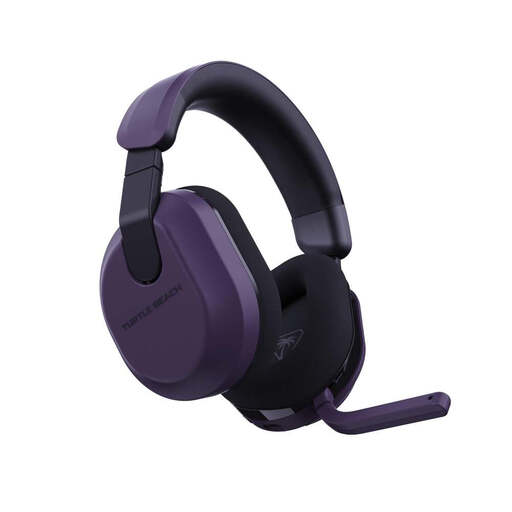
Turtle Beach Stealth 600 Gen 3 Xbox Gaming Headset, Purple

Turtle Beach Stealth 600 Gen 3 Xbox Gaming Headset, Purple

The product information lists PC compatibility and a flip-to-mute microphone; check that it suits your setup by making a test recording.

Wireless 2.4GHz and Bluetooth connections are listed. The description mentions AI voice isolation; this isn’t a test of fan noise during a recording.

View at Joybuy
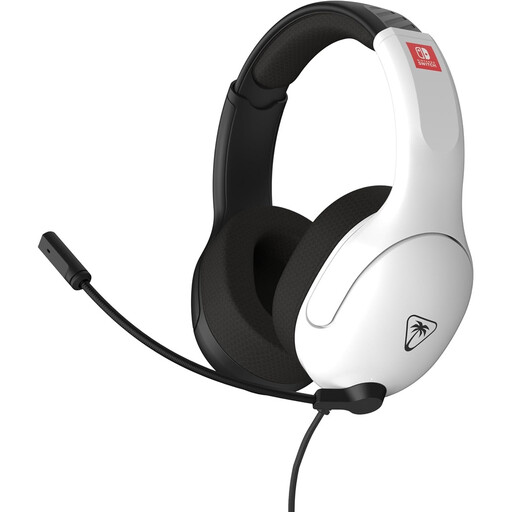
Turtle Beach Airlite Fit Gaming Headset, Black/White

Turtle Beach Airlite Fit Gaming Headset, Black/White

According to the product information, this wired headset has an adjustable boom microphone; check that the connection is compatible with your recording device.

The description lists a 3.5mm connection, a bidirectional microphone and flip-to-mute controls. Compatibility with Nintendo Switch, Switch Lite and Switch OLED is also mentioned.

View at Joybuy
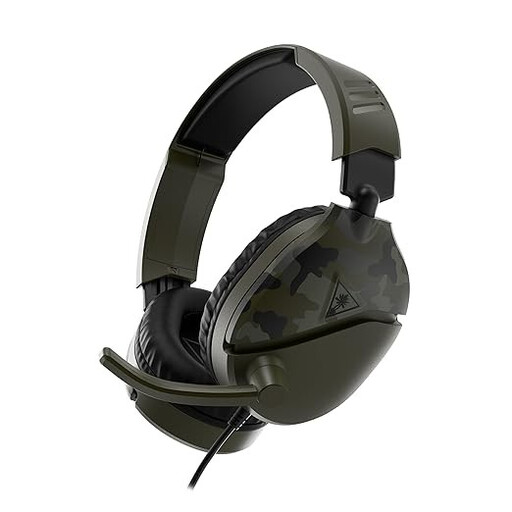
Turtle Beach Recon 70 Gaming Headset, Green Camo

Turtle Beach Recon 70 Gaming Headset, Green Camo

The product information lists an adjustable microphone boom that you can position close to your mouth; make a test recording to check how it performs with the fan on.

According to the description, the headset has a wired 3.5mm connection, a flip-to-mute microphone and PC compatibility.

View at Joybuy

Jabra Evolve2 30 SE headset

Jabra Evolve2 30 SE

This USB headset may suit a computer setup with USB-A; check that the connection matches your recording device.

The product information lists USB-A, two integrated microphones and microphone mute controls. Compatibility with Windows and Mac is mentioned; the noise-cancelling claim isn’t a test recording with a fan.

View at Joybuy

Jabra Evolve2 75, USB-A MS Teams, Black

Jabra Evolve2 75, USB-A MS Teams, Black

The product information describes this headset as suitable for professional communication; check that the wireless connection and microphone setup suit your recording.

Bluetooth, connection to two devices and USB-A are listed. The description mentions eight beamforming microphones for calls; this isn’t a test of fan noise during a recording.

View at Joybuy

Frequently asked questions

Will a noise-cancelling headset automatically remove fan noise?

No, don’t assume it will. Shure recommends recording with your voice close to the microphone and pointing the microphone away from unwanted noise. Make a test recording with the fan on and listen back; a manufacturer’s noise-reduction claim doesn’t guarantee it will work for this particular sound.

Can I connect an Audio-Technica BPHS1 or Shure WH20XLR directly to a USB port?

Not with the connections described. The standard Audio-Technica BPHS1 has separate XLR for the microphone and 6.3 mm for the headphones; WH20XLR refers to the XLR version of the Shure microphone. Before buying, check which inputs your recording device has and whether you need additional equipment.

What should I check before and during a longer recording?

Position the microphone boom close to your mouth, test with the fan on and listen back to a short clip before recording the full call. Also check that you haven’t accidentally switched on mute.

What warranty applies if I buy a headset as a consumer in the Netherlands?

According to the Dutch government, you’re entitled to a product that works as it should, and there’s no fixed statutory warranty period in the Netherlands. If a product is faulty, the retailer is your point of contact; a manufacturer’s or retailer’s guarantee is in addition to your statutory rights.

Can I publish identifiable voices of other people in the charity call?

First check which privacy rules apply to the recording and its publication. The Dutch Data Protection Authority says that processing personal data requires a lawful basis under the GDPR, and that in most cases you need permission to publish other people’s personal data online. Before recording and publishing, establish which lawful basis applies in your particular situation; a charitable purpose doesn’t automatically mean you have permission.
