What should you look for in a headset microphone?
First, look at the microphone’s position and connection. Then make a test recording to check how clearly you can hear your voice and pronunciation. Only after that, see whether editing helps. Audacity describes fan noise as constant noise that can be reduced, but warns that results may be disappointing when there’s little difference in level between the noise and speech.
| What to consider |
What should you look for? |
Who is this important for? |
| Fan noise and clarity |
Choose an adjustable microphone boom and test the recording with the fan on. |
If your voice needs to remain clear above the fan noise while you practise, this should be your first priority. Around 33% of consumers focus on reducing fan noise. |
| Pronunciation details |
Listen to an unedited test recording first, then compare it with a lightly edited version. |
If you want to assess Dutch pronunciation and narration rhythm, check that filtering still lets you hear the details of speech. Around 27% of consumers prioritise checking pronunciation. |
| Wearing comfort |
Check the fit, adjustability and ear cushions. Assess microphone noise reduction separately from noise isolation for your ears. |
For longer recordings, fit can affect how comfortable the headset is to wear and listen back with. Around 20% of consumers put wearing comfort first. |
| Connection and input |
Compare the connector with the port on your device, then test the selected microphone in your system and recording app. |
If you mainly want to check that the headset connects and works as a recording input, check both before a session. Around 20% of consumers prioritise connection reliability. |
Headsets on Joybuy for narration recordings
These wired headsets with microphones are options to compare for voice recordings and listening back to stories. Before choosing, check that the connection is suitable for your recording device.
 No image available
Logitech PC 960 USB headset
An option to compare if you’re looking for a wired headset for narration recordings on a device with a suitable connection.
The product name specifies USB and a wired headset.
Joybuy
 No image available
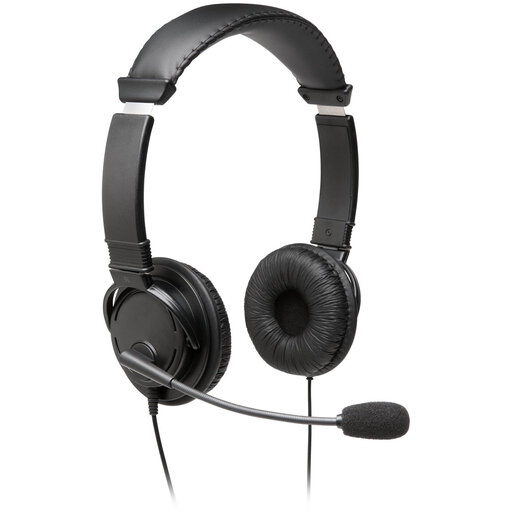
Kingston USB Hi-Fi headphones with microphone
An option to compare if you’re looking for headphones with a microphone for recording and listening back to speech.
The product name specifies USB, Hi-Fi and a microphone.
Joybuy
 No image available
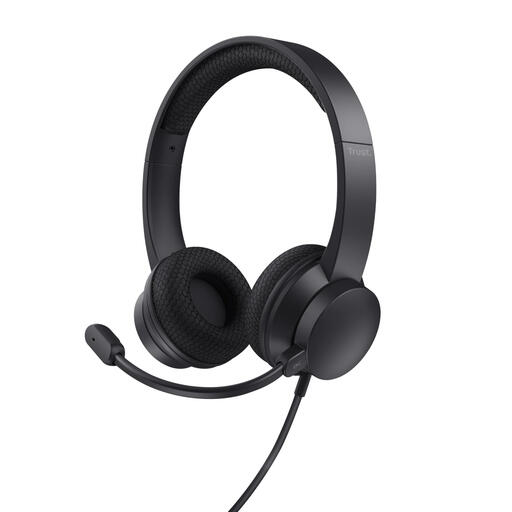
Trust Ayda wired headset, USB Type-A, black
An option to compare if you want a wired headset for voice use and your device is compatible with the USB Type-A connection.
The product name specifies USB Type-A and the colour black.
Joybuy
 No image available
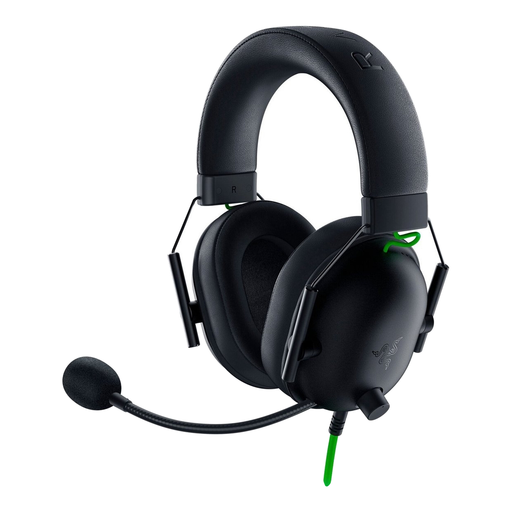
Razer BlackShark V2 X 7.1 wired gaming headset, black
An option to compare if a wired gaming headset suits the way you practise and your recording device supports the connection.
The product name specifies 7.1, a wired headset and the colour black.
Joybuy
 No image available
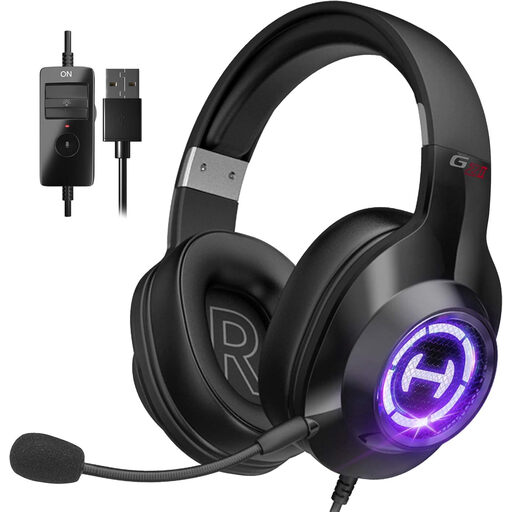
Edifier G2II USB gaming headset
An option to compare if you’re looking for a USB headset with a microphone and the stated connection is suitable for your recording device.
The product name specifies USB, a wired headset, 7.1 surround sound and RGB lighting.
Joybuy
Frequently asked questions
Will active noise cancellation in the ear cups also reduce fan noise in my recording?
Not necessarily: noise isolation for your ears and reducing the sound picked up by the microphone are different features. Compare a test recording and don’t rely on a noise-cancelling label alone.
How do I check whether Windows is using the headset microphone?
Select the microphone you want under sound input in Windows and use the microphone test. If you can’t record, also check that the microphone isn’t muted and that the recording app has access to it.
Can I remove constant fan noise afterwards?
Audacity offers noise reduction using a sample that contains only the noise. The results may be disappointing if the noise is loud or about as prominent as the speech, so keep the unedited recording too.
What if my headset stops working earlier than expected with normal use?
According to ACM ConsuWijzer, statutory warranty applies in the Netherlands if the product doesn’t meet what you could reasonably expect from it. The seller must resolve a qualifying problem free of charge, for example by repairing or replacing the product. A manufacturer’s warranty doesn’t replace this right.
Can I publish a recording of myself reading an existing story aloud?
The Dutch Government states that a private copy of copyright-protected material for personal use must not be distributed or made public. Before publishing, check the rights to the text and ask for permission where necessary. If you wrote the story yourself, you don’t need permission from another text’s author.


