
Speaker practising next to a fan
You want to know whether your Dutch and second-language speech will remain clear in a recording while the fan is running. So focus on the microphone and the recorded voice, not just on how quiet the earcups sound.


If you’re practising on a computer and want to listen back to both language versions, choose a headset with a microphone and a connection that works with your device. If you want to recreate a speech using a PA system, consider a separate headworn microphone and check the input and any equipment you’ll need first. None of these features guarantees that fan noise will be absent from your recording.
You want to know whether your Dutch and second-language speech will remain clear in a recording while the fan is running. So focus on the microphone and the recorded voice, not just on how quiet the earcups sound.
You practise at a computer, record both language versions and want to listen back without separate audio equipment. The connection and an adjustable microphone boom may also influence your choice.
You want to speak hands-free and may want to practise with a PA system. If so, check the microphone type, exact connector and any transmitter or audio equipment you may need.
Choose this option if: you record on a computer and want to listen back to the Dutch and second-language versions through the same headset.
Bear in mind: the cable and computer connection limit how you can set things up; check that the connector works with your device.
Choose this option if: you want to speak hands-free through a suitable XLR input or mixing desk. Shure and Audio-Technica describe directional pickup patterns that can isolate ambient noise.
Bear in mind: the WH20XLR and PRO8HEx are microphones, not complete computer headsets with audio playback; check the connector and any equipment you’ll need.
Choose this option if: a low-profile microphone and freedom of movement matter to you, and you have a compatible input or transmitter.
Bear in mind: RØDE specifies an omnidirectional capsule and 3.5 mm TRS output for the HS2; if connecting it directly, check that the microphone input provides plug-in power.
The main buying priorities for this type of practice can vary. Compare how your voice is recorded, the connection and whether you can listen back to both language versions.
| What to consider | What to look for when buying | Who will find this more important? |
|---|---|---|
| Clear voice recording | Check whether the stated noise reduction applies to the microphone. Make a test recording with the fan on and assess both language versions. | If my main concern is whether my voice remains clear with the fan running, I’ll prioritise recording quality. Around 36% of consumers put clarity first. |
| Practising for a stage setting | Decide whether you’ll use an XLR input, mixing desk or other sound system, and check the connector on the exact variant. | If you want to practise hands-free in the setup you plan to use for your speech, focus on the microphone type and connection. Around 29% of consumers prioritise a stage-ready setup. |
| Listening back | Check whether the headset has earcups and whether your recording device can use it as both an input and output device. | If I want to listen back to the Dutch and second-language versions afterwards, I’ll choose a setup with audio playback. Around 21% of consumers put listening back at the top of their list. |
| Connection and equipment | Compare the port on your device with the connector on the exact headset variant. If you’re buying a separate microphone, check whether you’ll need additional audio equipment. | If you want to get started without incompatible plugs or extra equipment, check the connection first. Around 14% of consumers prioritise a straightforward connection. |
A quieter listening experience doesn’t tell you how much fan noise will end up in your recording. Jabra describes passive noise isolation for the wearer separately from the Evolve2 40 SE’s microphone features.
Check the microphone specifications and make a test recording with the fan on.
The models mentioned have different connections and functions. A separate headset microphone won’t automatically provide audio playback or connect directly to a computer.
First, note down your device and its input. Then compare the full model variant and check what you’ll need to record or listen back.
The Dutch Authority for Digital Infrastructure (RDI) publishes licence-exempt frequencies and conditions for wireless microphones; some bands require a licence.
For a wireless stage setup, check the frequency band and transmitter power of the specific transmitter against the current RDI conditions.
Worth considering for computer use: the H390 is a wired USB-A headset, while the Zone Wired is a different model with a microphone that Logitech says features noise cancellation.
The Evolve2 40 SE is an office headset for computer use when earcups, a microphone boom and a specific connection variant are important.
The WH20 series is designed for anyone looking for a headworn speech microphone for a presentation setup.
The PRO8HEx is a hands-free microphone for anyone looking for an adjustable microphone boom and a compatible XLR input.
The HS2 is a discreet headworn microphone for use with a compatible input or transmitter, without built-in earcups.
These wired headsets combine a microphone with audio playback, making them suitable for practising and listening back on a computer. Check that each model’s USB or 3.5 mm connection works with your recording device.
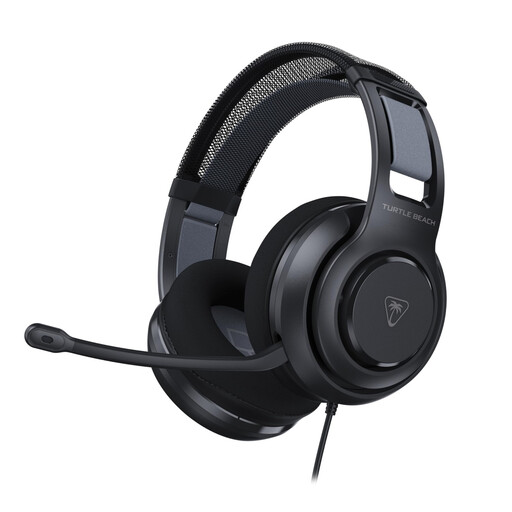 No image available
Could suit PC practice if you’re looking for a wired headset that combines a microphone with headphone playback.
The product information lists a 3.5 mm connection, a flip-to-mute microphone and a USB adapter. Check that the connection or adapter works with your recording equipment.
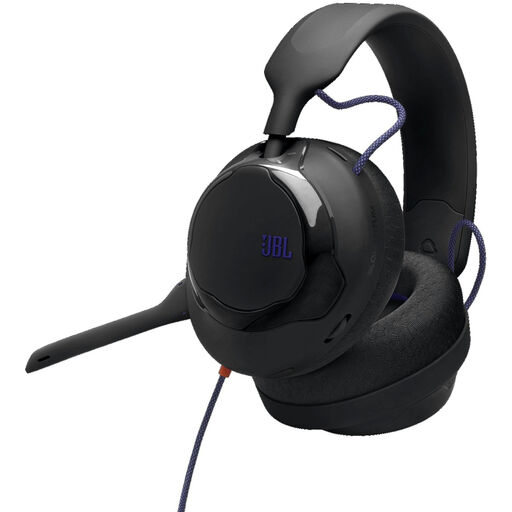 No image available
Could be suitable if you want to use both a microphone and headphone playback while practising.
The product information lists a 3.5 mm connection, a detachable microphone and a cardioid pickup pattern. Check that your device has a suitable input.
 No image available
Could suit computer practice if you’re looking for a USB-A headset with a microphone and audio playback.
The product information lists stereo headphone playback, microphone noise reduction, and volume and mute controls on the earcup. The stated USB-A connection requires a compatible port.
 No image available
Could suit computer use if you want to position a microphone boom and listen back to your recording.
The product information lists an adjustable microphone boom, stereo audio via USB, and in-line volume and mute controls. Check that the USB connection works with your device.
 No image available
Could suit computer practice if you want to combine a microphone with stereo headphone playback via USB.
The product information lists an adjustable microphone and a USB connection for the computer. Check that your device has the right port.
Not necessarily. Jabra describes passive noise isolation for the wearer separately from the Evolve2 40 SE’s microphone features. To assess how it will work for you, make a test recording with the fan on.
Adjust the headband and, with the Jabra Evolve2 40 SE, keep the microphone close to your mouth, as Jabra recommends. Compare recordings of both language versions with the microphone in the same position and the fan at the same setting.
That depends on the connector and your computer’s input. According to their manufacturers, the WH20XLR and PRO8HEx have a three-pin XLR connector; the RØDE HS2 has a 3.5 mm TRS output and requires a compatible microphone input with plug-in power for direct connection. Check before you buy.
For online consumer purchases from a business, you generally have a 14-day cooling-off period, although exceptions may apply. You also have statutory rights if a product is faulty. The Dutch Government states that there is no fixed statutory warranty period in the Netherlands and that the seller is your point of contact if a product is faulty.
That depends on the wireless connection and frequency band used. The RDI cites Bluetooth as an example of licence-exempt frequency use and publishes conditions and frequencies for wireless microphones; some other bands require a licence. Check the frequency and transmitter power of the specific transmitter before using it.