What should you look for in a headset microphone?
First, check that the microphone works with your recording setup. Then assess the fit, microphone position and monitoring options by making a short recording in the room where you plan to record your introduction.
| What to consider |
What should you check? |
Who is this important for? |
| Clear speech |
Adjust the microphone boom and record a test using your normal speaking voice, including plosive sounds. Listen back instead of relying solely on claims about directionality or noise cancellation. |
If clear, easy-to-understand speech is your main priority, focus on microphone position and the sound in your own recording space. Around 33% of consumers say speech clarity is their main concern when buying. |
| Comfort |
Consider the wearing style, adjustment range, and whether the ear cushions or cable become uncomfortable during a representative recording session. |
For a long recording, you’ll want the headband and ear cushions to stay comfortable. A quick try-on may not tell you how the headset will feel over an extended period. Comfort is the top priority for around 27% of consumers. |
| Connection and recording workflow |
Check the exact headset variant against your computer port, microphone input and any splitter or audio interface. Also check which input source your software is using. |
If you want to record directly into your existing setup without interruptions, check before buying that the microphone works as an input with it. This connection is the main buying concern for around 27% of consumers. |
| Monitoring and uninterrupted recording |
Make a test recording, check the input source and level, then listen back. Position the cable so it doesn’t get in your way while speaking. |
If you want to check that the right microphone is active and the recording is coming through properly before a long session, consider how you’ll monitor the audio too. Around 13% of consumers say monitoring and uninterrupted recording are their main concerns. |
Joybuy products for wired USB recording
This selection focuses on wired USB headsets for use with computers. For each version, check that the connection and microphone input are compatible with your recording device.
 No image available
Razer Kraken V3 X-headset, Black
This listing is suited to a wired USB setup for computer recording. Before starting a long session, check that your recording software is using the microphone as its input source, then listen back to a test recording.
View at Joybuy
 No image available
Logitech PC 960 USB headset
The USB connection is suited to a computer with a matching port. Check that the microphone is recognised as an input, then test the sound in your recording space.
View at Joybuy
 No image available
Logitech H340 USB headset, Black, Wired
This wired USB headset is designed for use with a computer; choose it only if the connection is compatible with your device. Check the selected input source with a short recording before starting a long session.
View at Joybuy
 No image available
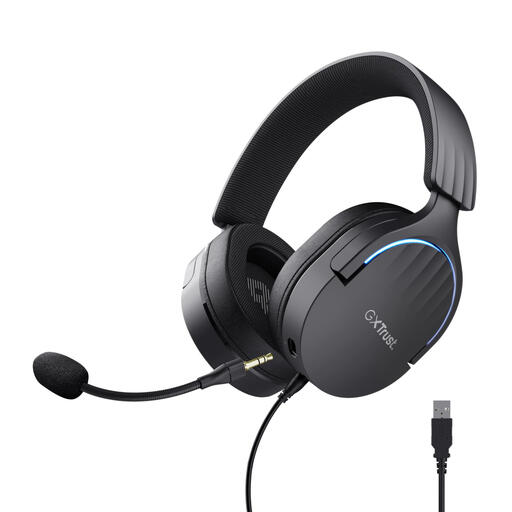
Trust GXT 490 FAYZO Over-Ear 7.1 USB Gaming Headset
The USB connection is suited to a wired computer setup, but it doesn’t tell you how a course recording will sound. Check the microphone input and assess the recording with a test clip.
View at Joybuy
 No image available
Trust Ayda Wired Headset, USB Type-A, Black
The USB Type-A connection makes this listing suitable for a computer with a matching port. Check the input source and make a test recording to see whether the microphone meets your needs in your recording space.
View at Joybuy
Frequently asked questions
How can you avoid recording an entire introduction with the wrong microphone?
Select the headset you intend to use as the input source, check the recording level and listen back to a short test recording before starting a long session.
Can you use any audio cable as a microphone cable with the RØDE NTH-100M?
No. According to the RØDE manual, the supplied TRRS cable is needed to use the RØDE NTH-100M microphone. Also check that your recording device supports the microphone through the connection you’ve chosen.
Can a standalone Shure SM35 replace a standard computer headset?
Not by itself: the Shure SM35 is a headworn microphone, not a complete headset with headphones. The manual describes using it with a wireless bodypack, so check that you have the necessary signal chain and a separate way to monitor the audio.
What is the cooling-off period for online purchases in the Netherlands?
For eligible distance purchases from a business, the Dutch government generally provides a 14-day cooling-off period, subject to exceptions. Before buying, check who the seller is and what returns information applies to your purchase.
Can you record course participants in a way that identifies them?
Check the applicable privacy rules before recording identifiable people or publishing the recording; taking part doesn’t automatically mean that all requirements have been met. For online education, the Dutch Data Protection Authority advises organisations to agree arrangements for recordings, informing the people involved and retention periods. This specific guidance doesn’t automatically apply to every independent course creator.


