What should you look for when buying?
First, check that your recording device can connect to the headset and use both microphone input and headphone output at the same time. Then make a test recording to assess the voice, levels and monitoring.
| What to consider |
What should you check? |
Who is this important for? |
| Clear voice recordings |
Record both quiet and loud lines, then listen back to the unedited file. Keep the meter below its maximum during the loudest section; the Audacity Manual warns that clipping cannot be fixed afterwards. Shure recommends positioning the microphone beside your mouth rather than directly in front of it. |
If I’m recording expressive character lines, I want to assess clarity and plosives in a test file. Around 29% of consumers put the quality of voice recordings first. |
| Monitoring your voice and recording |
Check that you can select a microphone input and headphone output at the same time. The Audio-Technica BPHS1 version with an XLR microphone plug has a separate 6.3 mm headphone plug; the Audacity Manual explains input monitoring, which lets you hear your microphone. |
If I’m recording multiple takes, I want to listen back to my voice before recording a whole scene. Around 23% of consumers make monitoring their top priority. |
| Comfort during multiple takes |
Assess the headband, ear cushions and adjustment range during your own session. RØDE lists an adjustable headband for the NTH-100M, while HyperX lists memory foam for the Cloud III. |
If I’m recording while seated for a long time, I want the headset to stay comfortable and the microphone boom to be easy to position. Around 18% of consumers put comfort first. |
| Compatibility with your setup |
Note your microphone input, headphone output and operating system, then check the plugs on the exact version. HyperX lists 3.5 mm, USB-A and USB-C for the wired Cloud III; Logitech states that BLUE VO!CE on the wired G PRO X is only available on PC via G HUB. |
If I want to keep using my existing recording device, the headset needs to fit the connections available. Around 18% of consumers choose connectivity as their main consideration. |
| Purchase and aftercare |
Check whether the version you choose includes the cables or adapters you need. For connecting the NTH-100M microphone to XLR, RØDE describes an adapter that supplies plug-in power. According to the Dutch government, the retailer is responsible for providing a solution if a product is faulty. |
If I want to put together a complete recording setup, I want to know which extra components I’ll need and who to contact if something is faulty. Around 12% of consumers prioritise purchase and aftercare. |
Headsets for wired or wireless setups
This selection of Joybuy products includes wired headsets for compatible recording setups, as well as models with wireless connectivity. For each model, check that it supports your device’s microphone input and your preferred monitoring setup.
 No image available
Trust GXT 498W Forta, wired gaming headset, white
A wired option to consider if the 3.5 mm connection is compatible with your recording device.
The product information lists a detachable, flexible microphone, an included pop filter, soft ear cushions and a padded headband. This version is licensed for PS5.
Joybuy
 No image available
Razer Kraken V3 X, black
A wired headset to consider if your recording device supports the USB connection and microphone input.
The product information lists a cardioid microphone, a lightweight design and memory foam ear cushions. Make a test recording to see how the microphone captures your voice.
Joybuy
 No image available
Jabra Evolve2 75
This headset may be suitable if your recording device supports the connection described and microphone input.
The product information lists USB-A, Bluetooth and connection to two devices. The microphones are described as suitable for calls; check the result with a test recording.
Joybuy
 No image available
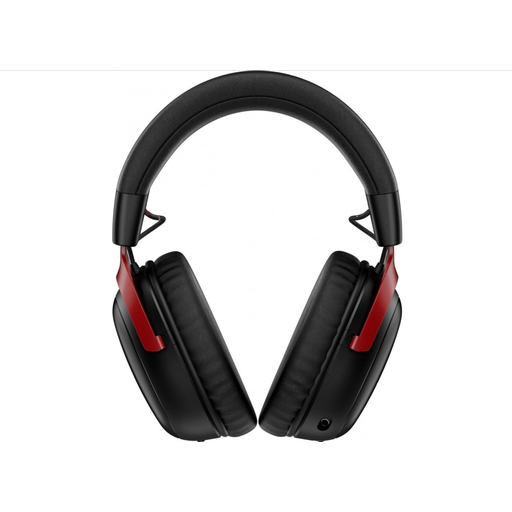
HyperX Cloud III S, black and red
A wireless option to consider if your recording device correctly selects the connection and microphone input.
The product information lists 2.4 GHz and Bluetooth, a detachable boom microphone with a mute indicator, memory foam ear cushions and a padded headband. Test which microphone route your recording software uses.
Joybuy
 No image available
Jabra Evolve 30 II MS Stereo
A wired headset to consider if your device supports the 3.5 mm connection or USB controller.
The product information lists a microphone, stereo headphone playback and a headband. Check which connection provides microphone input on your recording device.
Joybuy
Frequently asked questions
How can you prevent distortion on a loud character line?
Start with a test recording of your loudest line and check the recording meter. Lower the input level if the meter reaches the top; the Audacity Manual warns that clipping caused by a signal recorded too loudly cannot be fixed afterwards.
Where should you position a headset microphone if you hear plosives?
Try positioning the microphone beside your mouth rather than directly in front of it. Shure recommends this placement for its SM35 headset microphone; listen back to a test recording to see if your own model meets your needs.
Can the RØDE NTH-100M microphone connect directly to any XLR input?
Don’t assume it can: RØDE describes a suitable adapter that provides the required plug-in power for connecting the NTH-100M microphone to XLR. The headphones connect separately.
How should you look after a headset between recording sessions?
Follow the care instructions for the exact model. Audio-Technica lists a replaceable cable and ear cushions for the BPHS1; that doesn’t mean parts are replaceable on other models too.
What are your rights if a headset bought online is unsuitable or faulty?
For a consumer purchase made online, you generally have 14 days from delivery to change your mind, subject to applicable conditions and exceptions. If the product is faulty, your statutory rights apply: according to the Dutch government, there is no fixed statutory time limit for the legal guarantee in the Netherlands, and the retailer must provide a solution.


