Who is this for?

Speakers who want to listen back

You’re practising your pronunciation and clarity in two languages at a computer, and want to listen to your recording straight away. Logitech and Jabra describe wired computer headsets designed for use with a computer.

Speakers with long practice sessions

You practise your speech repeatedly, so fit, adjustability and a microphone position you can easily reset are important. Logitech and HP Poly describe features of their headset models that are worth considering.

Speakers with their own recording equipment

You already have a recorder, transmitter or XLR setup, so your main concern is whether a standalone headset microphone’s connection and power requirements are compatible. RØDE and Shure describe the connection requirements for their models.

What should you consider when choosing?

Wired USB headset

Choose this option: if you practise at a computer and want to listen back through the same headset.

Bear in mind: the cable limits your movement, and a headset microphone designed for calls doesn’t guarantee studio-quality recordings.

Standalone 3.5mm headset microphone

Choose this option: if you already have a suitable microphone input with plug-in power and don’t need earcups.

Bear in mind: the RØDE HS2 isn’t a complete USB computer headset, so you’ll need a separate way to listen back.

Standalone TA4F or XLR microphone

Choose this option: if you already have equipment compatible with the connector and power requirements of a Shure SM35 variant.

Bear in mind: the correct connection and power supply are essential; recording directly to a computer may not be straightforward.

What to consider What to look for Who is this important for?
Clarity in both languages Check the microphone position and make a test recording of both parts of your speech from your usual speaking position. If I want to hear whether quieter words come across clearly too, clarity is my top priority. Around 36% of consumers consider this their most important factor.
Connection to recording equipment Check the exact input, connector and any power requirements for your computer, recorder or transmitter. I want to avoid finding that the microphone doesn’t work with my existing recording equipment. Around 29% of consumers prioritise the right connection.
Comfort during repeated practice Look for adjustability and choose between mono and stereo; if possible, try on the headset to see how the ear cushions feel. When practising several times in a row, I want a fit that stays comfortable. Around 21% of consumers put comfort first when choosing.
Noise in your practice space Assess the room and microphone position with a test recording from where you’ll be speaking. If room noise might affect how my recording sounds when I listen back, I want to assess that in advance. Around 14% of consumers put background noise at the top of their list.

Common pitfalls

  • Mistaking a standalone headset microphone for a complete computer headset

    A RØDE HS2 or Shure SM35 has different connection and power requirements from a USB computer headset. Without compatible equipment, you won’t be able to connect the microphone as intended.

    First, check what you’ll be recording with. Then check the connector, power requirements and how you’ll listen back to the recording.

    A standalone microphone may require a suitable input, transmitter, interface or separate headphones.

  • Assuming noise cancellation guarantees clear recordings in both languages

    Specifications and product descriptions can’t tell you how your pronunciation, speaking volume and practice space will sound in a recording.

    Record a short passage in both languages from your usual speaking position, then listen for quiet sounds, breathing and background noise.

  • Choosing based on USB-C alone

    Jabra says that not every mobile USB-C device or app supports the audio connection with the Evolve2 30 SE.

    Check that your specific device and recording app support microphone audio through the connection you’ve chosen.

    A headset, device and recording app that aren’t compatible may make the setup unusable for recording.

Brands to consider

Logitech

Logitech describes the H390 as a wired USB computer headset for recording and listening back on a compatible computer.

  • For the USB-A version described, Logitech lists in-line controls, an adjustable microphone and a 1.9 m cable.
  • These product specifications aren’t an independent test of recordings in two languages.

Jabra

The Evolve2 30 SE is a wired computer headset available in a range of USB and wearing styles.

  • The manual describes mono and stereo versions and recommends positioning the microphone close to your mouth.
  • Jabra warns that not every mobile USB-C device or app supports the audio connection.

HP Poly

The Blackwire 3220 USB-A is a wired stereo headset for a computer with a compatible USB-A connection.

  • For this version, HP specifies a noise-cancelling microphone and a microphone bandwidth of 100 Hz to 10 kHz.
  • The stated bandwidth doesn’t prove how the microphone will sound with every voice or in every room.

RØDE

The HS2 is a standalone headset microphone for use with a suitable microphone input or transmitter.

  • RØDE specifies an omnidirectional capsule and a 3.5mm TRS output.
  • The input must provide plug-in power; the HS2 doesn’t have built-in earcups.

Shure

The SM35 is a headset microphone for stage equipment with compatible connections.

  • Shure specifies a cardioid pattern and recommends positioning it near the corner of your mouth.
  • The TA4F version requires compatible DC bias; the XLR version requires phantom power.

Joybuy products for wired practice at a computer

These products are wired USB headsets with earcups for recording and listening back on a computer. Check that the connection is compatible with your device, then assess the sound for yourself with a test recording in both languages.
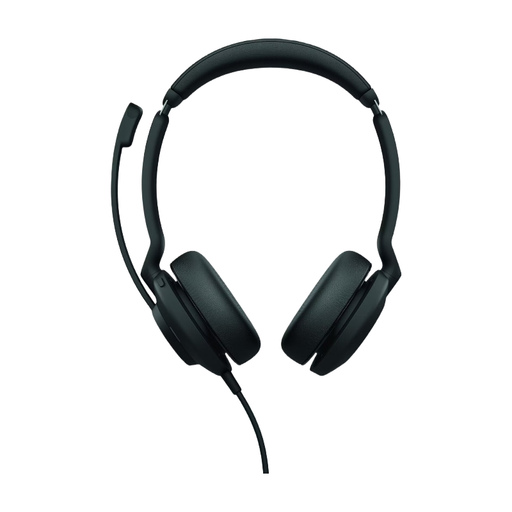
Jabra Evolve2 30 SE headset

Jabra Evolve2 30 SE

A wired stereo headset for repeated practice and listening back on a computer.

Requires a compatible USB-A connection or adapter.

View at Joybuy
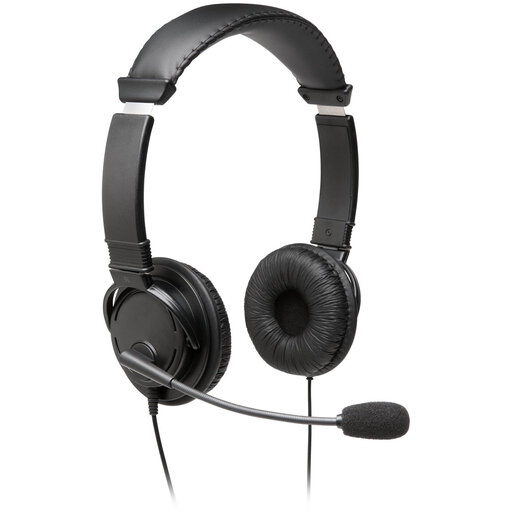
Kingston USB Hi-Fi headphones with microphone

Kingston USB Hi-Fi Headphones with Microphone

A USB headset with a microphone for recording and listening back through the same computer setup.

Requires a compatible USB connection.

View at Joybuy
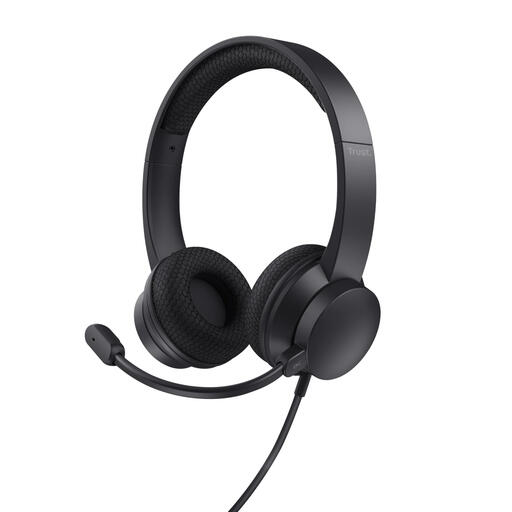
Trust Ayda wired headset with headband

Trust Ayda Noise-Cancelling Wired Headset

A wired headset with a microphone and stereo playback for recording and listening back on a computer.

The product title specifies USB Type-A; a compatible connection is required.

View at Joybuy

Logitech PC 960 USB headset

Logitech PC 960 USB

A USB headset with an adjustable microphone boom for recording at a computer and listening back in stereo.

Requires a compatible USB connection.

View at Joybuy

Logitech H340 USB headset, black

Logitech H340 USB Headset, Black

A wired USB headset with a microphone for recording and listening back on a computer.

Requires a compatible USB connection.

View at Joybuy

Frequently asked questions

How should I set up my headset before recording in both languages?

Select the headset as the microphone input in your recording software and position the boom close to your mouth, but not directly in front of your breath. Record a short passage in both languages, check that the microphone isn’t muted, then listen back.

Will a USB-C headset automatically work with your phone?

No, that isn’t guaranteed. Jabra says that not every mobile USB-C device or app supports the audio connection for the Evolve2 30 SE. Check compatibility with your specific device and recording app.

Do you need any other equipment with a headset microphone?

That depends on the type of microphone and your recording equipment. A compatible USB computer headset connects to a suitable computer port. The RØDE HS2 needs a microphone input with plug-in power; the connection and power requirements for the Shure SM35 depend on whether you have the TA4F or XLR version.

Are you allowed to record your practice speech?

According to the Dutch Data Protection Authority, the GDPR doesn’t apply to processing that is solely for personal or household purposes. If you record identifiable people for an organisation or share the recording, check separately which privacy rules apply and what legal basis is required.

How can you tell whether the microphone sounds good in your room?

Make a test recording from your usual speaking position, using a passage in both languages, then listen back. This lets you assess how your voice, microphone position and background noise sound together; product specifications alone can’t tell you that.
