
Speaker practising at home
Wants to record and play back both languages on a computer. Logitech describes the H340 as a USB-A computer headset with an adjustable microphone boom.


If you mainly practise at a computer, choose a headset that connects to it and lets you record and play back your voice. To practise using the venue’s sound system, you’ll need a microphone that matches the available input. If you want to move around during the introductions, consider a wireless set and check that its frequency is available at the venue. None of these options guarantees that you’ll be easy to understand: record both languages and test them through the venue’s loudspeakers too.
Wants to record and play back both languages on a computer. Logitech describes the H340 as a USB-A computer headset with an adjustable microphone boom.
Wants to rehearse using the venue’s microphone input and loudspeakers. The headset connector must match the available equipment; for example, Shure describes the WH20XLR as having a three-pin XLR plug.
Wants to practise introductions while moving around the room. The Sennheiser XSW 2-ME3-B is a set with a headset, bodypack and receiver; also check that its frequency is available at the venue.
First decide where you’ll practise: at a computer, using the venue’s equipment or while walking around the room. Then compare the connection and check that any wireless set is complete and suitable for the venue.
| What to consider | What to look for | Who is this important for? |
|---|---|---|
| Clarity | Check whether you can adjust the microphone boom, and record the same passage in both languages. Test the final set-up through the venue’s loudspeakers too. | If I want to assess names and changes between languages clearly, I need to listen back to both languages and test the room acoustics too. Around 36% of consumers say clarity is their top priority. |
| Connection | Compare the input on your computer, mixer or recorder with the exact connector and model variant. USB-A, XLR and 3.5 mm TRS are different connections. | If I want to practise both at home and with the venue’s equipment, I need to know whether the headset fits the right input. Around 29% of consumers prioritise the connection. |
| Freedom of movement | Check that the headset, bodypack and receiver are included in the set. For a wireless model, also check whether its frequency is available at the venue. | If I want to practise while walking around, I need to know whether I have a complete wireless set and can use it at the venue. Around 21% of consumers choose freedom of movement as their main consideration. |
| Comfort | Look at the adjustability and fit. Also consider whether you want to use the headset just for speaking or to listen back to your recordings as well. | If I’m practising passages repeatedly, I want the headset to feel comfortable and the microphone to stay in place. Around 14% of consumers say comfort is their top priority. |
A USB-A computer headset and an XLR microphone model have different connections and are not directly interchangeable.
Make a note of the input on your practice equipment and compare it with the full model variant before placing your order.
A standalone microphone, such as the RØDE HS2, is not the same as a set with a transmitter and receiver. The HS2 needs a compatible input with plug-in power or a compatible transmitter.
Check the connector and what’s included in the box; don’t rely on the word ‘wireless’ alone.
The Dutch Authority for Digital Infrastructure (RDI) notes that the available frequency spectrum can vary by location.
Check the frequency band of the exact model variant and what’s available where you’ll be practising.
The H340 is designed for recording and playing back speech on a computer.
The WH20 family includes headset microphones for speaking, with different connector options.
The XSW 2-ME3-B is a wireless headset set for presenters who move around.
The HS2 is a standalone headset microphone for use with a suitable recorder or transmitter.
The Evolve2 40 SE is an office headset for desk-based practice and listening back to conversations.
This selection of Joybuy products includes headsets for practising speeches, including models for use with a computer. Check the connection for each model and make sure it matches the equipment you want to practise with.
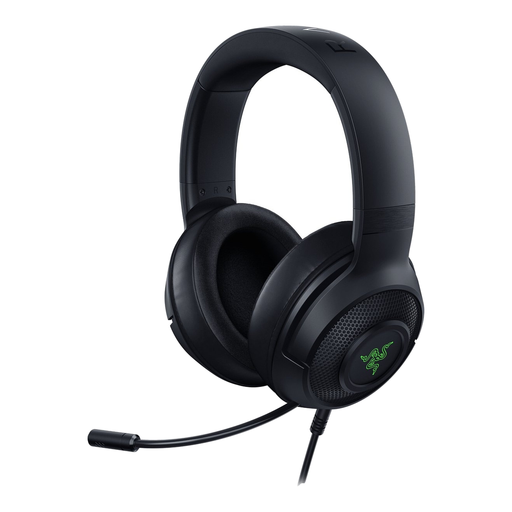 No image available
A headset worth considering if you want to practise spoken passages with a headset microphone.
 No image available
A USB headset to consider for practising speech on a computer; check that the connection is compatible with your device.
The product name specifies a USB connection and a wired design.
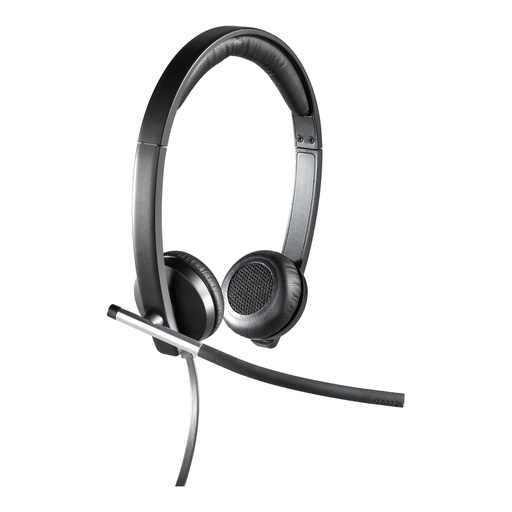 No image available
A wired stereo headset to consider for speaking and listening back; check which input this version requires before buying.
 No image available
A computer headset for recording and playing back speech. Logitech describes the H340 as a USB-A model with an adjustable microphone boom.
The USB-A version does not connect directly to an XLR input on a venue sound system.
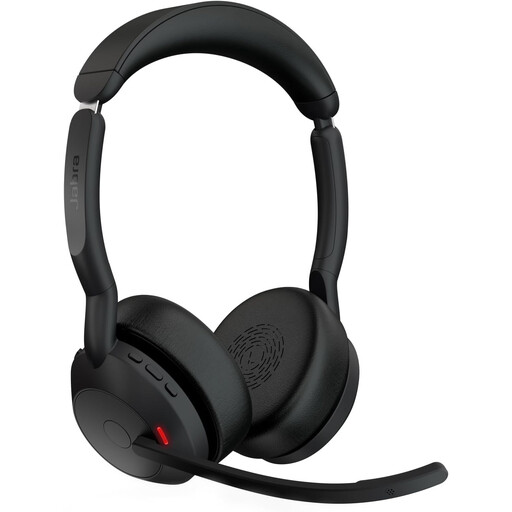 No image available
A wireless stereo headset to consider for practising speech. Check which components are included with this version and how to connect it to your practice equipment.
The product name specifies a wireless stereo version.
Don’t assume you can. The Logitech H340 uses USB-A for a computer. Ask which input the venue’s equipment has, then choose a compatible microphone or connection method.
Adjust the headband and microphone boom, then record a short passage in both languages. Shure recommends adjusting the WH20 to fit; listen back to your own recording and test separately through the venue’s loudspeakers.
Usually not, provided you follow the applicable conditions and use permitted frequencies. The Dutch Authority for Digital Infrastructure warns that not every frequency is available everywhere and that some bands require a licence.
For eligible distance purchases from a business, Dutch government guidance says you’ll often have a 14-day cooling-off period. Check the terms of your specific purchase; statutory information about the cooling-off period is separate from any more generous returns service offered by the seller.