What should you consider when choosing?
Start by checking the connections on your recording device. A USB computer headset can be a straightforward option, while XLR and other broadcast connections require a compatible recording setup. Choose wireless mainly if you want to move around while practising, and check in advance how the headset works with your recording device.
| What to consider |
What should you check? |
Who is this important for? |
| Background speech |
Check the microphone position and make a test recording while the space is being used as usual. |
If I practise while other people are talking, I want to be able to distinguish my voice clearly in the recording. That’s why around 36% of consumers prioritise clarity over background conversations. |
| Listening back |
Assess how both languages sound when played back, and check the fit and mute control. |
If I want to refine my pronunciation and wording in two languages, I need to be comfortable listening back to my recordings. Around 29% of consumers give listening back their top priority. |
| Connection |
Compare the exact model with the ports and connections on your computer, interface or mixer. |
If I want to use my existing recording setup, I want to know in advance whether the microphone and headphones will connect correctly. Around 21% of consumers prioritise device compatibility. |
| Comfort |
Consider the fit and ear cushions. If you need replacements, check which parts are compatible with the exact model. |
If I practise regularly, I want a comfortable headset without losing sight of my recording and connection requirements. Around 14% of consumers give comfort their top priority. |
Headsets at Joybuy
This selection includes wired headsets and office headsets for practising and listening back. For each version, check that the connection and intended use suit your recording device and rehearsal space.
 No image available
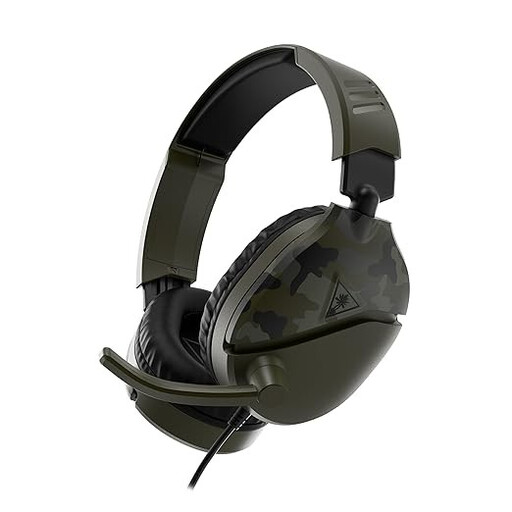
Turtle Beach Recon 70 Wired Gaming Headset, 3.5mm, Green Camo
A wired headset with a microphone for anyone who wants to listen back through a headset while practising. Check that the 3.5mm connection is compatible with your device.
View at Joybuy
 No image available
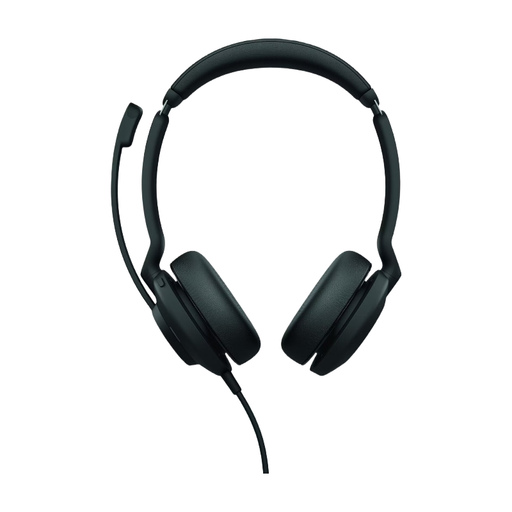
Jabra Evolve2 30 SE
A wired computer headset to consider for rehearsing at a fixed workstation. Check that the connection on this version is compatible with your recording device.
View at Joybuy
 No image available
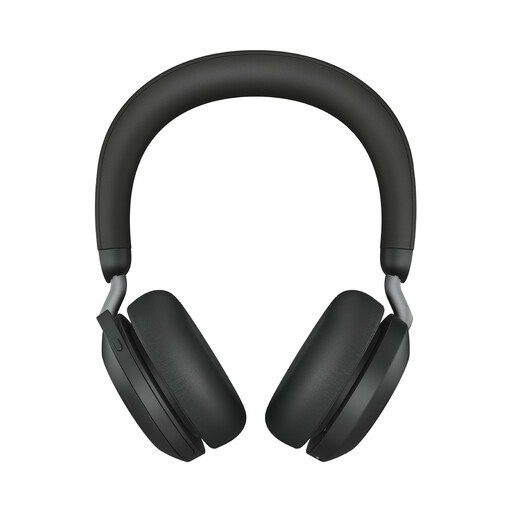
Jabra Evolve2 75 USB-A MS Teams, Black
An office headset to consider for speech practice. Check that the MS Teams version and its connection are compatible with your recording device.
View at Joybuy
 No image available
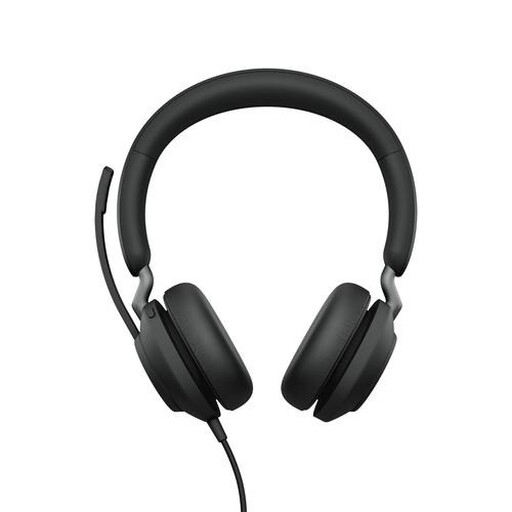
Jabra Evolve2 65 USB-A, Black, MS Mono
A wireless office headset to consider if you want to move around while practising. Check how this version connects to your recording device.
View at Joybuy
 No image available
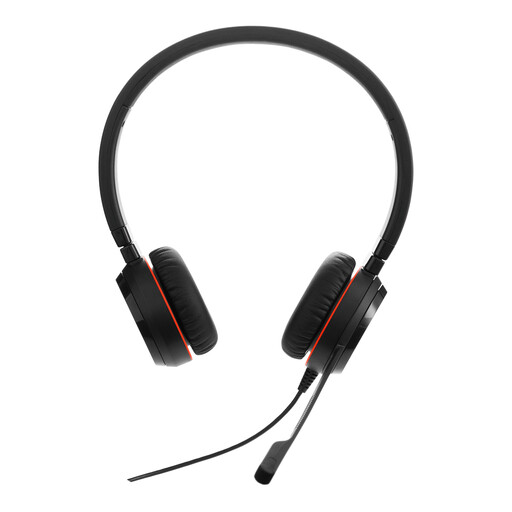
Jabra Evolve 30 II MS Stereo
A stereo headset for anyone who wants to listen back through a headset during rehearsals. Check which connection is compatible with your device.
View at Joybuy
Frequently asked questions
Is ANC the same as a microphone that keeps background conversations out of my recording?
No. ANC in headphones is designed to reduce the noise you hear; by itself, it says nothing about which voices make it into the microphone signal. Use a short test recording in the shared space to assess your voice and the background speech.
How do I connect a headset and get started with practising?
First, check the exact version and the connections on your recording device. Then select the microphone and headphones you want to use in your computer and recording software, check the mute control, and make a short recording in both languages. According to Audio-Technica, the BPHS1 has different connections from a USB headset.
How can I avoid turning the volume up too high when listening back?
Keep the volume low and take regular listening breaks. The World Health Organization recommends well-fitting or noise-cancelling headphones in noisy environments to reduce the need to turn the volume up.
Can I make recognisable recordings of other people in a shared space?
According to the Dutch Data Protection Authority, an audio recording in which someone can be recognised may contain personal data. If an organisation processes such recordings, it needs a lawful basis under the GDPR; consent is one possible basis, but not automatically the only one. Whether the GDPR applies to a rehearsal for purely personal use depends on the circumstances. Before recording and sharing, discuss who might be audible and for what purpose.
What are my rights if I buy online or receive a faulty product?
According to ACM ConsuWijzer, online purchases generally come with a statutory cooling-off period of up to 14 days after delivery, subject to legal exceptions. Faulty products are also covered by the statutory guarantee. The ACM explains that there is no fixed time limit: you can expect a product to last a reasonable length of time, depending on factors including its features and quality.


