
Vandaag of morgen in huis

Kwaliteit gegarandeerd

Welkomstaanbiedingen ontgrendelen: GRATIS bezorging | Tot 80% korting | Gratis 30 dagen JoyPlus-proefperiode
Download de app
Buying a headset seems straightforward, until you have to choose between a gaming headset, wireless headphones, a wired headset or compact in-ear headphones. Marketing terms such as ‘spatial audio’, ‘noise cancellation’ and ‘studio sound’ don’t always tell you how practical a product will be, either.
The right choice depends mainly on your device, how long you’ll use it for and how much comfort matters to you. Check a few specifications before you buy to avoid choosing the wrong model and paying for features you don’t need.
Bluetooth headphones are handy with a smartphone, but not every gaming headset works wirelessly with a PlayStation, Xbox or PC. Check whether your device supports Bluetooth, USB, USB-C or a 3.5mm connection before you buy.
A wired headset doesn’t need a battery, which can make it a practical choice for long gaming sessions or working from home. However, if your PC has separate ports for the microphone and audio, you may need a splitter or extension cable.
Closed-back over-ear headphones help to block out some background noise by design. Active noise cancellation, often abbreviated to ANC, also uses electronics to reduce certain ambient sounds. How well it works depends on the situation and the product.
Check for a transparency mode, too. According to the product description, this lets you hear the sounds around you. That can be useful when you’re out and about, but it also means the headphones won’t always block out all external noise.
A 50mm driver doesn’t automatically guarantee a particular sound. Tuning, ear cups, fit and the quality of the audio source all play a part, too. The same goes for battery life: the stated maximum will depend on volume, connection and which features are switched on.
Also check whether the microphone is detachable, foldable or fixed. This matters if you want to use your gaming headset for music or when you’re out and about, too.
If you’re looking for a headset for PS5, don’t rely on the packaging alone. Check that the microphone, volume controls and any 3D audio feature actually work with the console. For a headset for PC, check whether you’ll need software, a USB connection or a splitter.
An uncomfortable headset can become a problem after just an hour. Check the weight, headband shape and ear cushion material. Over-ear headphones fit around your ears and can be comfortable for long sessions, while an on-ear model may be more compact and lightweight.
With in-ear headphones, having different sizes of ear tips helps you find a good fit. Also check that the cable is long enough for your desk or games console.
For calls, online meetings and gaming, a headset with a microphone is more practical than regular headphones. Check whether you can mute the microphone and whether it’s detachable or foldable.
For wireless models, check:
Longer battery life means you won’t need to charge as often, but a wired connection can be a useful back-up if the battery runs out.
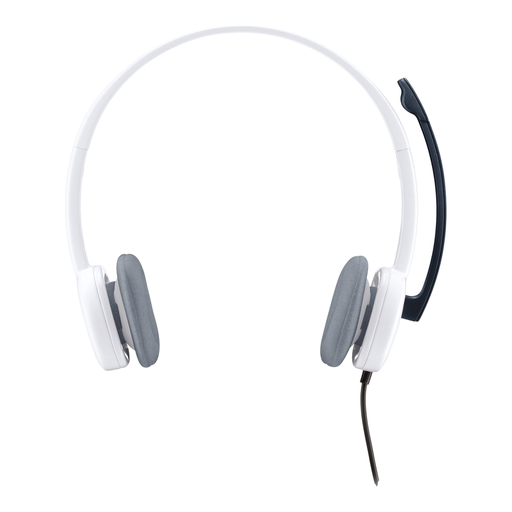
Why it suits this profile: This lightweight wired headset is designed for calls, music and multimedia, with a 3.5mm connection.
The simple 3.5mm connection means you don’t have to rely on Bluetooth or remember to charge it. The product specifications state that it weighs 80 grams and has a 180 cm cable.
Stereo audio, a built-in microphone, volume control and an adjustable headband.

Why it suits this profile: Wireless over-ear headphones for travelling, working and listening, with features such as Bluetooth and active noise cancellation.
As well as Bluetooth 5.4, the product information lists a detachable cable with 3.5mm and USB-C connections. This gives you a wired option if the battery runs out.
The product description lists active noise cancellation, spatial audio and Cinema Mode.
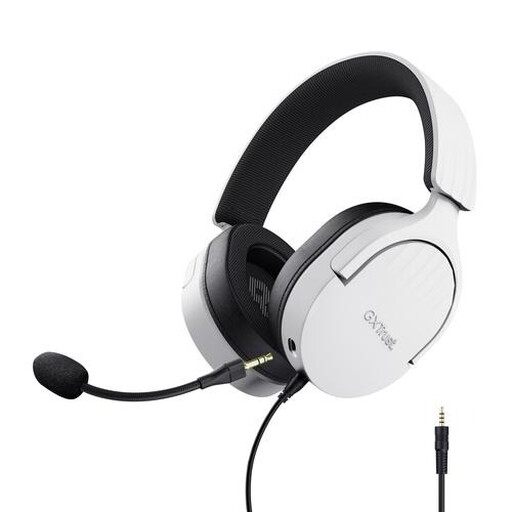
Why it suits this profile: A wired gaming headset for players who want one model to use with a PC, laptop, PlayStation, Xbox and Nintendo Switch.
The 3.5mm connection means there’s no need to charge it. The microphone is detachable, and the product description lists an extension cable included for PC use.
50mm drivers, over-ear ear cushions, volume control and a microphone mute function on the controls.
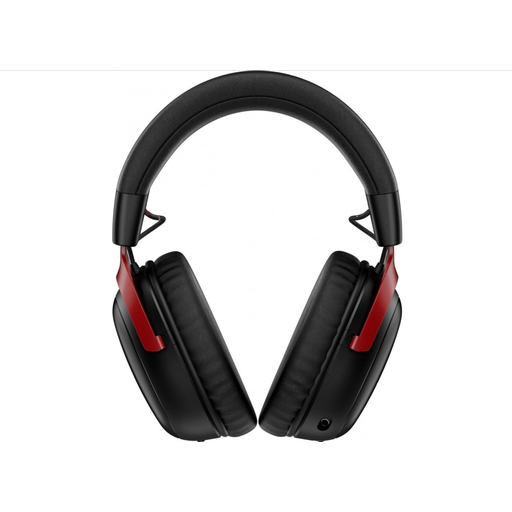
Why it suits this profile: For users who want to combine wireless freedom, Bluetooth and a detachable microphone with use across multiple platforms.
The product specifications list both 2.4GHz wireless and Bluetooth 5.3. This lets you choose the connection that best suits gaming or everyday mobile use.
Up to 120 hours of battery life over 2.4GHz, 53mm drivers and a detachable microphone.
We’ve put together a full, up-to-date list of products that meet these strict selection criteria and current European safety regulations.
It depends on your preference. A wired headset doesn’t need a battery and gives you a direct connection. A wireless model gives you more freedom to move around, but needs charging. Whichever you choose, check that it’s compatible with your PC or console.
Its lifespan depends on how you use, store and care for it. Broken cables, moisture and a bent headband are common causes of damage. Store your headset somewhere dry, don’t pull on the cable and clean the ear cushions according to the manufacturer’s instructions.
No. A USB-C port doesn’t automatically support audio. Check the manual for your smartphone, tablet or laptop. If your device doesn’t support it, you may need a compatible adapter. For a USB-C headset with in-ear headphones, check the controls and microphone compatibility, too.
