
For working out chords in the evening
You listen to passages repeatedly while you’re still awake and want to follow pitches and changes. An open-back model suits a quiet room; Sennheiser describes the HD 560S as tuned for precise listening.


If you’re working out chords while you’re still awake, open-back wired headphones are a good fit for a quiet room. Choose a closed-back model if you want to reduce background noise or avoid disturbing someone else. If you want to lie on your side or fall asleep to music, consider compact Bluetooth sleep earbuds and judge the fit for yourself: a sleep-focused design doesn’t tell you anything about chord recognition. Keep the volume low and limit your listening time; the World Health Organization stresses that safe listening time decreases as the volume increases.
You listen to passages repeatedly while you’re still awake and want to follow pitches and changes. An open-back model suits a quiet room; Sennheiser describes the HD 560S as tuned for precise listening.
You want to reduce distracting background noise or avoid disturbing your bed partner. Closed-back earcups or well-fitting in-ear headphones may be more suitable than an open-back model; Audio-Technica describes the ATH-M40x as closed-back.
You want to listen to a track in bed and may want to keep your earbuds in as you fall asleep. soundcore positions the Sleep A20 for listening in bed; you’ll need to judge the fit and comfort when lying down for yourself.
Choose these if: you listen while awake in a quiet room and can use a wired connection.
Bear in mind: an open-back design doesn’t block out background noise. Also check that your source can drive the 120-ohm HD 560S suitably.
Choose these if: you want to replay passages before bed and reduce background noise or sound reaching others.
Bear in mind: fit, plug and cable. Sony lists a 3 m cable for the MDR-7506, which may be awkward to use beside a bed.
Choose these if: you want to listen without an audio cable and reduce distracting background noise in your room.
Bear in mind: fit and sound settings. The stated battery life of up to 60 hours for the MOMENTUM 4 Wireless is a manufacturer’s figure, and over-ear headphones aren’t specifically designed to be worn on a pillow.
Choose these if: you want to listen to your own music while lying on your side and may then fall asleep.
Bear in mind: pressure and fit on your own pillow. Bluetooth streaming and a sleep-focused design don’t prove that chords will be easier to recognise.
| Consideration | What to look for when buying | Who this matters to |
|---|---|---|
| Musical detail | Compare familiar music at a comfortable volume; check the connection and whether your playback device can drive your chosen headphones suitably. | If I replay passages to follow chord changes, I want the sound to be comfortable to listen to attentively. Around 40% of consumers give musical detail top priority. |
| Comfort when lying down | Check that your own music plays over Bluetooth and assess the fit on the pillow you usually use. | If I listen while lying on my side and may fall asleep with the earbuds in, pressure on my ear matters a lot. Around 30% of consumers give comfort when lying down top priority. |
| Background noise | Choose between an open-back design, closed-back earcups or isolating earbuds; assess the fit at a normal, low listening volume. | If I share a room, I want to reduce distracting background noise and the chance of disturbing someone else. Around 20% of consumers give noise isolation top priority. |
| Connection and volume | Check that the wired connection or Bluetooth pairing works with your device; keep the volume low and limit your listening time. | If I want to connect easily before bed and be mindful of my listening volume, these practical points are decisive. Around 10% of consumers give connectivity and volume control top priority. |
soundcore’s product information describes playback, fit and sleep features, not automatic chord recognition.
Choose these earbuds for listening in bed if you like the fit, but don’t expect them to create a chord chart for you.
An open-back design doesn’t block out the room, unlike the closed-back earcups on a monitor model.
If you’re listening next to someone or there’s distracting room noise, compare a closed-back model with an open-back one first.
Philips says that production of the TAN7808GY/00 has stopped and that the model is no longer available.
Don’t treat older product reviews as proof of current availability, and check the exact model with the seller.
The HD 560S is an open-back wired option for attentive listening in a quiet room; the MOMENTUM 4 Wireless is designed for wireless listening with noise cancelling.
The wired ATH-M40x is a closed-back monitor model for anyone who wants to replay passages and reduce background noise.
The MDR-7506 is a wired reference headphone for listening while you’re still awake.
The Sleep A20 is designed as a compact pair of Bluetooth earbuds for listening in bed, including for side sleepers.
These Joybuy picks include wireless over-ear headphones and earbuds for listening to music. For each model, check that the fit, connection and sound settings suit the way you use it in your bedroom.
 No image available
Suited to anyone who wants to replay passages wirelessly and reduce background noise. The product information lists Bluetooth, adaptive noise cancelling, adjustable EQ and an included 3.5 mm audio cable; Sennheiser states a battery life of up to 60 hours.
 No image available
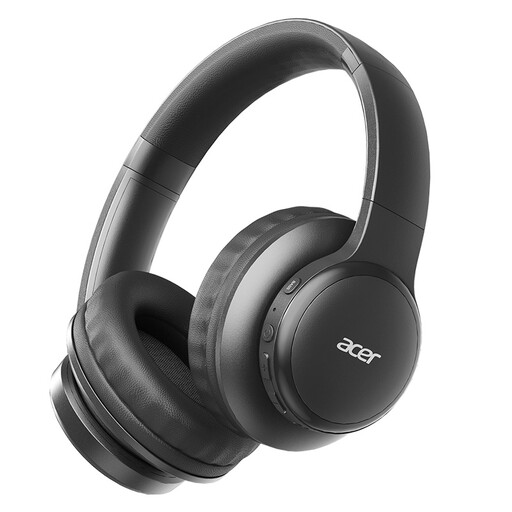
Could suit anyone who wants to listen to music wirelessly; the listed features don’t in themselves say anything about chord recognition. The product title lists Bluetooth 5.3, a foldable design and a USB-C charging port.
 No image available
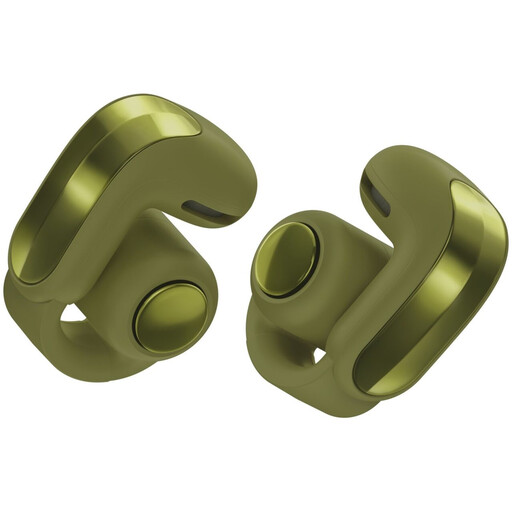
Suited to anyone who wants to listen to music wirelessly while remaining aware of their surroundings. The product information lists an open design and Bluetooth 5.4; this isn’t evidence of better chord recognition.
 No image available
Could suit anyone who wants to listen to music through a wired connection and reduce background noise. The product information lists Bose QuietControl noise cancelling, a USB-C connection and earbuds in multiple sizes with stability wings; judge for yourself which fit feels comfortable.
 No image available
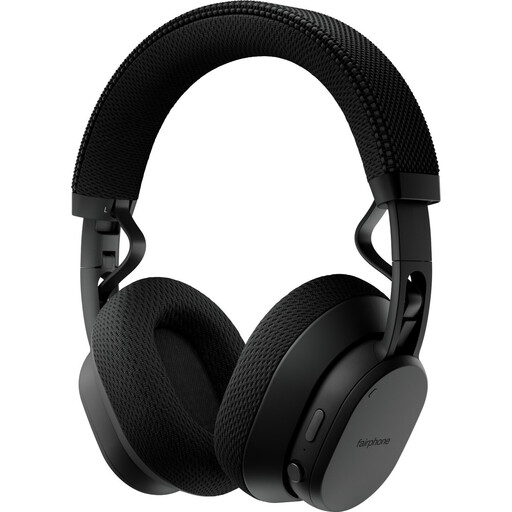
Suited to anyone who wants to listen wirelessly and reduce background noise; the listed features don’t prove that chords will be easier to recognise. The product information lists a closed-back over-ear design, Bluetooth, hybrid active noise cancelling and adjustable EQ.
The product specifications discussed describe audio playback, not automatic chord recognition. Use these models to listen and replay passages yourself, not as devices that name chords for you.
According to soundcore, the Sleep A20 supports Bluetooth streaming. Pair the earbuds with your playback device and choose the fit components that feel comfortable; streaming your own music is different from playing sleep sounds.
Keep the volume low and take breaks. The World Health Organization explains that safe listening time decreases as the sound level rises; 80 dB for up to 40 hours a week is an example, not a recommended volume setting.
For an applicable distance sale, you generally have a 14-day cooling-off period, according to the Dutch government. You’re also entitled to a product that is fit for purpose; in the Netherlands, there is no fixed statutory two-year warranty period for every product. Check the seller’s terms if you want to assess the fit at home.
Radio equipment placed on the EU market is subject to Directive 2014/53/EU. Among other things, this requires distributors to check that the required CE marking and accompanying information are present; this doesn’t prove that a specific item has already been checked in every respect.