
Quiet listener in a shared room
You want to follow spoken directions without turning the volume up unnecessarily or disturbing your roommate. Fit and style both matter.


If you want to follow the spoken guide at a low volume without disturbing your roommate, start by looking for a well-fitting, sound-isolating design. If you need to hear when someone speaks to you, an open design or an ambient sound mode may be a better fit. Noise cancellation alone doesn’t tell you whether your roommate can hear what you’re listening to.
You want to follow spoken directions without turning the volume up unnecessarily or disturbing your roommate. Fit and style both matter.
You move around while listening and want your headphones to stay in place and be easy to control.
You want to hear the instructions, but also notice when someone in the room speaks to you. An open design or ambient sound mode may suit your needs.
When following a spoken guide in a shared bedroom, your choice comes down to speech clarity, comfort and how much you want to stay connected to the room.
| What to consider | What should you check? | Who is this important for? |
|---|---|---|
| Following speech without disturbing others | Compare sound-isolating earbuds with closed-back headphones, and check the volume and how much sound carries around the room. | If I want to follow the guide at a quiet volume without disturbing my roommate unnecessarily, I’ll focus on the seal and sound leakage. Around 33% of consumers prioritise this. |
| Fit while moving | Check the available ear tip sizes, headband pressure and how easy the controls are to use while moving. | If you move around while listening to the guide, you’ll want a comfortable design that stays in place and doesn’t distract you. Around 27% of consumers prioritise fit while moving. |
| Speech clarity | If possible, listen to a familiar speech recording and check how easy the controls are to use at a quiet volume. | If spoken directions matter more to me than music, I want to follow every word clearly without constantly turning up the volume. Around 20% of consumers prioritise speech clarity. |
| Being able to hear your roommate | Compare an open design with an ambient sound mode, and try your preferred setting at a low volume. | I want to be able to respond if someone in the room speaks to me, even while I’m listening. Around 13% of consumers prioritise staying approachable. |
| Connectivity and battery life | Check the connection on your playback device and compare the stated battery life with the features you want to use. | If a suitable connection and uninterrupted listening matter most to you, check the plug, pairing and battery life. Around 7% of consumers prioritise connectivity and battery life. |
Noise cancellation is designed to reduce sound for the wearer. It doesn’t tell you how much sound someone else in the room will hear.
Check how much sound carries around the room at the volume you plan to use for the guide. Don’t choose based on a noise-cancelling label alone.
An open design helps you hear your surroundings, but it doesn’t provide the same seal as well-fitting in-ear earbuds.
Choose an open design mainly if staying approachable matters, and check separately whether your roommate can hear the audio.
The Sennheiser IE 200 has a 3,5mm plug and can only be connected directly to a device with a compatible socket.
Check which connection your playback device has before buying.
If your device doesn’t have a compatible socket, you may need a suitable adapter.
The WH-CH720N is a closed-back over-ear model, while the compact WF-C710N is an in-ear alternative. Sony lists an ambient sound mode for both.
The IE 200 is a wired in-ear model with a 3,5mm plug, interchangeable ear tips and adjustable ear hooks.
JBL describes the Tune Flex as earbuds with an open fit and sound-isolating options.
The JBuds Open Wireless is an open headphone design for anyone who wants to stay aware of the room.
The TAH4500PK/00 is an on-ear alternative with noise cancellation.
This selection includes wired and wireless in-ear earbuds, over-ear headphones and an open earclip model, to suit different preferences for sound isolation and staying connected to the room.
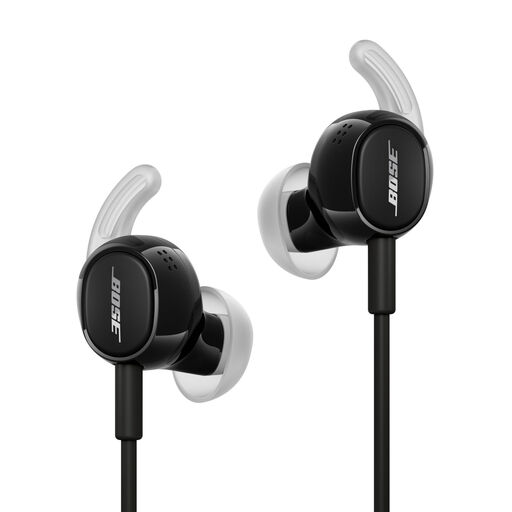 No image available
A wired in-ear option for anyone who doesn’t want to charge a pair of earbuds while listening.
The product name mentions noise cancellation; check that the connection is compatible with your playback device.
The connection is USB-C.
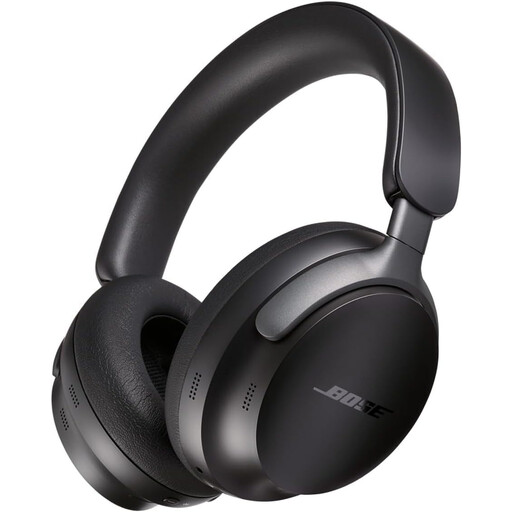 No image available
An over-ear option if you’d rather not wear earbuds in your ears.
The product name mentions Bluetooth; bear the larger design in mind if you move around while listening.
 No image available
An open-ear model for anyone who wants to stay aware of the room while listening.
The product name describes a wireless earclip design; check that it stays comfortable when you move around.
 No image available
An in-ear option for anyone looking for a sound-isolating fit; check that the ear tips feel comfortable.
The product name describes an in-ear design.
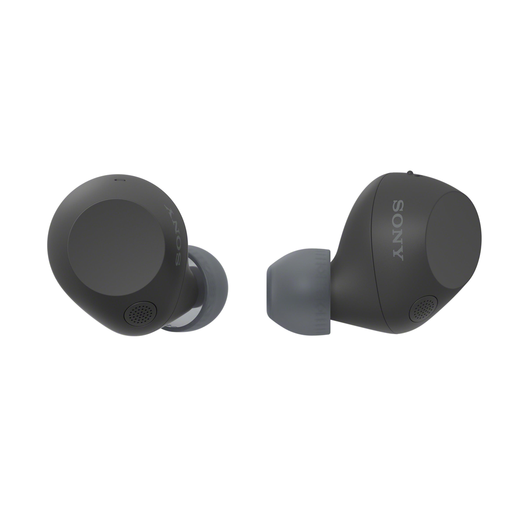 No image available
A wireless in-ear option for anyone looking for a sound-isolating fit who also wants to hear more of the room at times.
The product name mentions noise cancellation; check that the fit is comfortable and that the listening mode suits the room.
Not necessarily. Noise cancellation is designed to reduce ambient sound for the wearer. Check separately how much sound carries in your room with your chosen fit and playback volume.
Choose ear tips that fit well, pair a wireless model with your playback device, and check the controls and battery charge before you start. The WHO stresses that both sound level and listening time matter for safe listening.
First, check that the earbuds are seated properly in the charging case. Sony also lists dirt around the openings as something to check when troubleshooting charging issues with the WF-C710N. Follow the care instructions for your specific model.
According to ACM ConsuWijzer, online purchases generally come with a statutory 14-day cooling-off period after delivery. Check separately whether an exception applies to the specific product; don’t assume that using earbuds never affects your right to cancel without checking.
In the Netherlands, you have a statutory guarantee as well as any manufacturer’s warranty. ACM ConsuWijzer explains that the seller is responsible for providing a suitable solution free of charge if the product doesn’t meet what you could reasonably expect during normal use. This could mean a repair or replacement.