
Listener on a noisy train
You want to follow spoken explanations without continually turning up the volume, and care most about fit and noise reduction.


Start by weighing up how much train noise you want to block out against how easily you need to hear announcements. Well-fitting, noise-isolating headphones with noise cancelling can reduce the need to turn up the volume; open-ear designs let in more surrounding sound, but offer less isolation. The fit, how easily you can switch listening modes and the battery life at the settings you use will all help determine what suits your journey.
You want to follow spoken explanations without continually turning up the volume, and care most about fit and noise reduction.
You want to be able to pause a talk or stay aware of your surroundings. The Consumentenbond describes open-ear earbuds as a design that leaves the ear canal unobstructed.
You want a comfortable fit that lasts and compare battery life at the same settings; size and portability may also matter.
First decide whether clear speech, awareness of your surroundings, comfort or practical battery life matters most to you.
Choose these if: the train noise drowns out the narrator and you find a headband comfortable for longer listening sessions.
The trade-off: over-ear headphones take up more room in your bag; an ambient mode doesn’t guarantee that every announcement will be clear.
Choose these if: you want to travel light and find silicone ear tips comfortable.
The trade-off: fit varies from ear to ear; check that it’s easy to switch to transparency mode.
Choose these if: you want to hear your surroundings and announcements without having to keep switching listening modes.
The trade-off: more surrounding sound gets through, which can make spoken explanations harder to follow on the train.
| What to consider | What should you check? | Who is this most important to? |
|---|---|---|
| Understanding spoken explanations | Fit and seal; noise cancelling and speech clarity with spoken audio. | I want to follow the talk without continually turning up the volume. Around 36% of consumers prioritise speech clarity in the presence of train noise. |
| Hearing announcements and your surroundings | Controls for pausing and switching listening modes; compare open-ear designs with transparency mode. | I want to hear travel information or people around me, even while listening to a talk. Around 29% of consumers prioritise awareness of their surroundings. |
| Comfort | Try the fit during a longer listening session; for in-ear models, check the range of ear tip sizes. | I don’t want an uncomfortable headband or ear tips to distract me on a longer journey. Around 21% of consumers make comfort their main priority. |
| Practicality | Compare battery life figures at the same ANC setting; check charging and purchase terms. | I want the battery life and charging to suit my journey and how I use my headphones. Around 14% of consumers prioritise practical battery life and purchase considerations. |
Battery life with noise cancelling off won’t tell you how long you can listen with it on. With in-ear headphones, battery life per charge is also different from the total listening time with a charging case.
Only compare figures for the same ANC setting. For earbuds, check battery life per charge and with the case separately.
A mode that lets in surrounding sound doesn’t remove the trade-off between listening to the talk and staying aware of your surroundings.
Try the controls in advance, pause when needed and consider open-ear headphones if hearing your surroundings is your priority.
According to the Dutch government, the retailer is your point of contact if a product is faulty; additional cover is separate from this.
Check what an additional plan actually includes before paying for it.
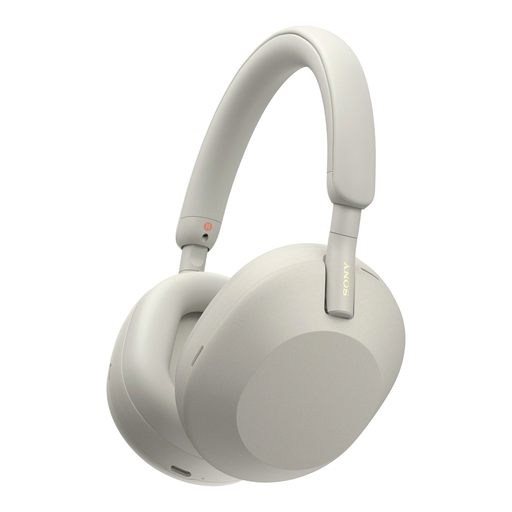
The WH-1000XM5 are noise-cancelling over-ear headphones with an ambient sound mode and Quick Attention, for those who want to switch between a talk and their surroundings.
The Live 770NC are over-ear headphones with True Adaptive Noise Cancelling and Smart Ambient, designed to combine isolation with the option to switch modes.
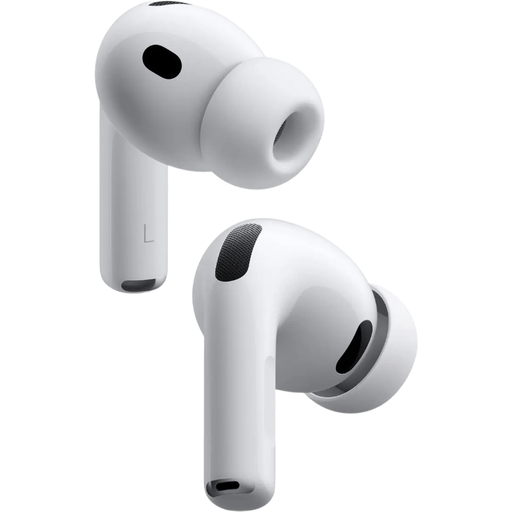
The AirPods Pro 3 are noise-cancelling in-ear headphones with transparency mode and five sizes of ear tip.
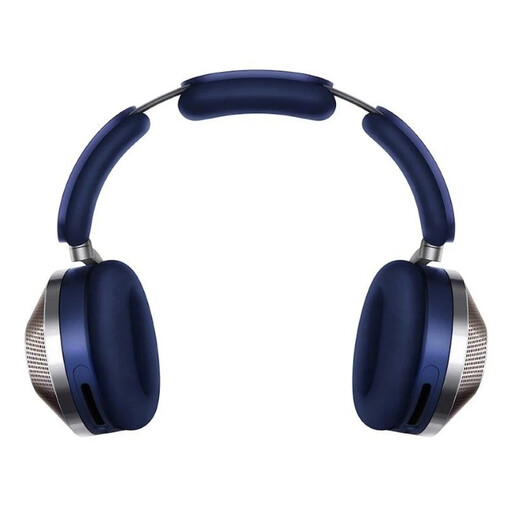
The Space One are foldable over-ear headphones with ANC and adjustable transparency, for those weighing up portability and listening modes.
This selection includes noise-cancelling over-ear and in-ear models, plus an open-ear model for those who want to stay more aware of their surroundings.
 No image available
Noise-isolating wireless over-ear headphones with active noise cancelling, for those who want to block out train noise while listening to a spoken talk.
Claimed battery life: up to 30 hours with noise cancelling on. This model also has an ambient sound mode.
 No image available
Noise-isolating in-ear earbuds with active noise cancelling and transparency mode, so you can switch between listening and hearing your surroundings.
Five sizes of silicone ear tip. Apple claims up to 8 hours of listening per charge with ANC on, and up to 24 hours with the case and ANC on.
 No image available
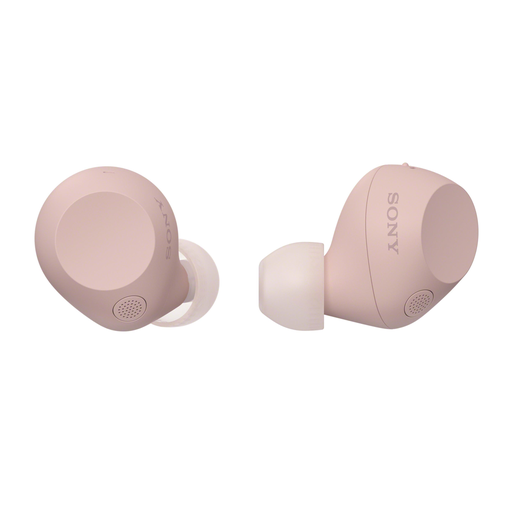
Wireless in-ear earbuds with active noise cancelling, for those looking for a noise-isolating design.
The product description claims up to 30 hours of use with noise cancelling on, and touch controls.
 No image available
Over-ear headphones with active noise cancelling and an ambient mode, for those who want to switch between listening and hearing their surroundings.
The product description states a claimed battery life of 50 hours.
 No image available
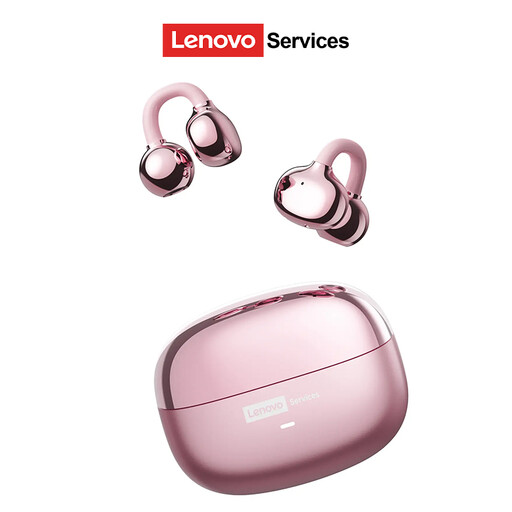
The open-ear design suits those who prioritise hearing their surroundings over maximum isolation from train noise.
The product description mentions ENC for calls and up to 25 hours of battery life.
Not necessarily. A good fit and, if needed, noise cancelling can reduce the need to turn up the volume. The World Health Organization recommends keeping the volume at a safe level and taking listening duration and frequency into account too.
Before you travel, try pausing playback and, if your model has it, switching on ambient or transparency mode. The Consumentenbond explains that open-ear designs let in more surrounding sound. None of these options guarantees that you’ll hear every announcement.
Follow Apple’s cleaning instructions for your specific model. Before cleaning the specified mesh, remove the ear tips. After the wet cleaning described in the instructions, let the AirPods dry completely before using them or putting them in the case.
According to the Dutch government, distance purchases are often covered by a 14-day cooling-off period. You’re also entitled to a product that works as it should; if there’s a fault, the retailer is your point of contact. An exception to the right to cancel may apply to a sealed hygiene product if its seal has been broken. Check before buying whether this applies to your chosen in-ear headphones. Additional cover is not the same as your statutory warranty rights.