
Singer practising tricky passages
You listen to a passage repeatedly and want closed-back headphones that are comfortable and compatible with your playback device. How clearly you can distinguish the vocals also depends on the practice material.


Wired, closed-back studio headphones are a good fit if your device has a compatible socket and passive isolation is enough. Pay particular attention to fit and cable length. If train noise means you have to turn the volume up, also compare over-ear headphones with active noise cancellation (ANC). Just bear in mind that neither studio headphones nor ANC can isolate a vocal part from a mixed recording.
You listen to a passage repeatedly and want closed-back headphones that are comfortable and compatible with your playback device. How clearly you can distinguish the vocals also depends on the practice material.
Train noise is disrupting your practice session. Compare the passive isolation of headphones with the tested noise reduction of an ANC model; turning the volume up isn't an obvious solution. Consumentenbond tests how effectively noise is reduced, while the WHO recommends well-fitting, well-isolating headphones to reduce the need to listen at higher volumes.
You take your headphones with you often, so consider whether they fold, how the cable can be managed and whether parts such as cables or earpads can be replaced. Compare these features across specific models from Audio-Technica, Sennheiser and beyerdynamic.
Choose this option: if your device has a compatible audio output, you want to listen without relying on a battery, and the fit provides enough passive isolation.
Bear in mind: a long or fixed cable can be awkward on the train; closed-back ear cups don't automatically provide enough isolation for your needs.
Choose this option: if background noise is your main concern and closed-back studio headphones don't give you enough quiet.
Bear in mind: compare tested noise reduction and check whether wired listening is possible if you need it. ANC doesn't pick out an individual vocal part from a mix.
| What to consider | What should you check? | Who is this important to? |
|---|---|---|
| Hearing clearly over train noise | Compare a close fit with separately tested ANC noise reduction; listen at a comfortable volume. | If train noise is masking the passage, you'll want to practise without continually turning the volume up. Around 31% of consumers prioritise noise reduction. |
| Sound detail when listening repeatedly | If possible, listen to your own recording and check whether a separate part or a usable mix is available. | If you're learning a harmony part, you'll want to be able to review the recording repeatedly; sound detail is a top priority for around 31% of consumers. |
| Connection and cable | Check your device's output, the plug and any adapter, the cable length and whether the cable is detachable. | If your device needs a wired connection, you'll want to make sure the headphones and output are compatible. Around 19% of consumers put connection and cable first. |
| Portability and maintenance | Check whether the model folds and which parts can be replaced on the exact version you're considering. | If you pack your headphones often, storage and maintenance matter too. Portability is the top priority for around 13% of consumers. |
| Listening volume and breaks | Check the fit, keep the volume low and take breaks. The WHO highlights volume, listening duration and repeated exposure as factors to consider. | During long practice sessions, you'll want to keep an eye on your listening habits without assuming that headphones guarantee a safe volume. Around 6% of consumers put this first. |
Studio or monitoring use doesn't mean that headphones can pick out one voice from a mixed recording. Product information from Audio-Technica Netherlands and Shure Netherlands describes closed-back studio and monitoring models, among other things, but doesn't claim to offer stem separation.
First check whether your practice recording includes a separate part or a usable mix; only then assess the headphones.
Wired models vary in cable type and length. For example, Sony Netherlands lists a 3 m cable for the MDR-7506, which could be awkward next to a train seat.
Before buying, compare your device's output with the plug, any adapter and the cable length of the exact model.
Passive isolation depends partly on the fit. The WHO warns that listening at higher volumes in noisy surroundings increases sound exposure.
Check the fit and, if necessary, compare ANC models based on tested noise reduction; don't assume that any volume is guaranteed to be safe.
Audio-Technica Netherlands positions the closed-back ATH-M50x for studio use and use on the go.
The HD 280 PRO is a closed-back, wired monitoring model.
According to beyerdynamic, the DT 770 PRO 32 Ω version assessed is designed for mobile monitoring.
Shure Netherlands describes the SRH440A as closed-back studio headphones for critical listening.
Sony Netherlands describes the MDR-7506 as professional reference headphones.
These Joybuy picks are over-ear models with active noise cancellation, for anyone who wants to take train noise into account while practising. Before choosing, compare the connection options and how clearly your own practice material plays through them.
 Image unavailable
An option to compare if train noise is disrupting your listening; check that the fit and connection suit the way you use them.
Bluetooth headphones; black.
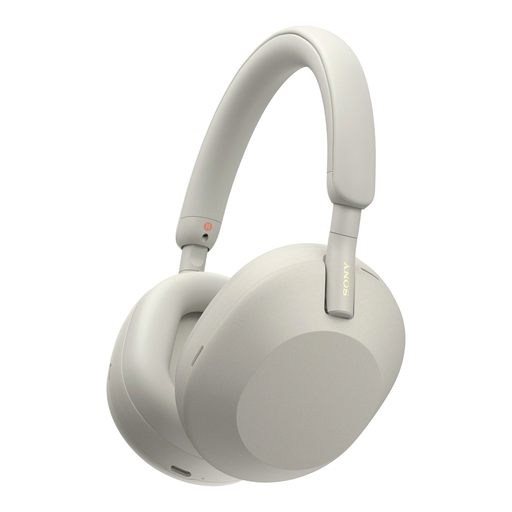 Image unavailable
An option for anyone who wants to listen wirelessly and take train noise into account; also check whether the recording makes the harmony part clear enough.
Wireless; noise cancelling; silver.
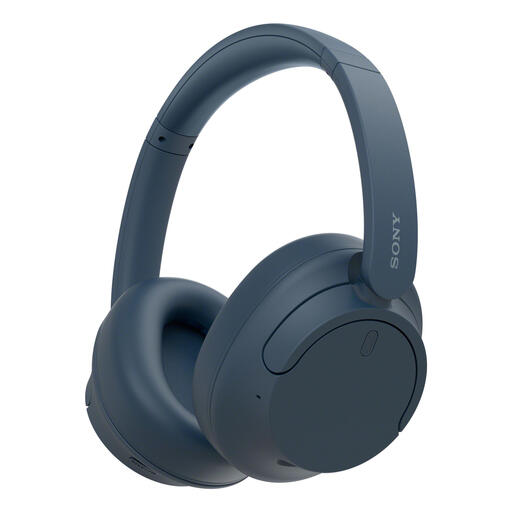 Image unavailable
An option to compare if you want to take train noise into account; check that the fit is comfortable for repeated listening.
Wireless and Bluetooth; noise cancelling; up to 35 hours of battery life; quick charging; blue.
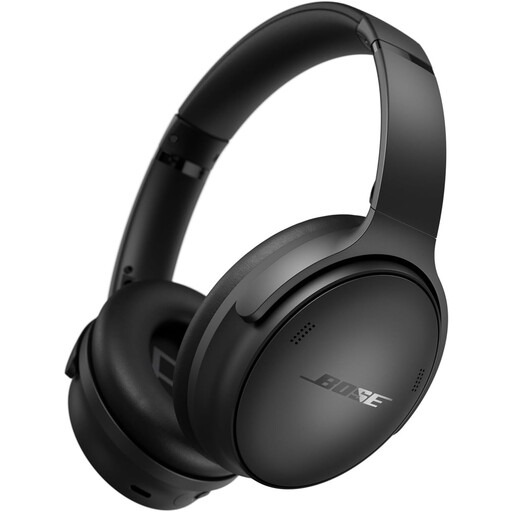 Image unavailable
An option to compare if you'd like train noise to be less of a distraction while practising; check which listening and connection options work with your device.
Black.
 Image unavailable
An option to compare if train noise is disrupting your practice session; check the connection options and whether this version suits your listening habits.
Second generation; black.
No. ‘Studio’ describes the intended listening use, not a feature that separates vocals from a recording. Check whether your practice material includes a separate part or a suitable mix.
Compare your playback device's output with the plug on the exact headphones you're considering. Also check whether you need an adapter and whether the cable is a practical length for the train.
Check which parts are replaceable on each version. Sennheiser lists replaceable earpads for the HD 280 PRO, Audio-Technica lists detachable cables for the ATH-M50x, and beyerdynamic lists replaceable earpads for the DT 770 PRO.
According to NS's house rules, you must be quiet in the quiet zone, and passengers must not disturb others anywhere on the train with loud conversations or music. So practise by listening, without singing along audibly; check the rules of other operators.
The WHO recommends well-fitting, noise-isolating headphones, a low volume and listening breaks. The WHO gives 80 dB for up to 40 hours a week as a guideline for exposure; this isn't a guaranteed safe setting for any particular pair of headphones.