Who is this choice for?

Critical orchestral listener

You might compare the balance between instrument groups across different recordings and want to know how your headphones’ sound affects that comparison. The Consumentenbond includes classical music in its headphone tests.

Traveller bothered by train noise

You want to hear quieter passages without constantly turning up the volume. The Consumentenbond discusses noise cancelling as a way to reduce the amount of surrounding noise you hear. The WHO recommends well-fitting headphones, optionally with noise cancelling, to reduce the need to listen at higher volumes.

Long-distance train listener

You wear your headphones for much of the journey, so you’ll want to consider pressure, weight, comfort with glasses and how much room they take up in your bag. Sound On Sound highlights the weight of the beyerdynamic DT 700 PRO X; this assessment applies to that model.

What should you look for?

Closed-back wired studio headphones

A good fit when: you want to compare recordings using the same wired setup and passive isolation is enough for your route.

Trade-off: a closed-back design limits sound leakage, but it won’t automatically give you the spacious presentation of an open-back design; ANC is a separate feature.

Closed-back headphones with ANC

A good fit when: persistent train noise drowns out quieter passages and you don’t want to turn up the volume.

Trade-off: ANC needs power to work, and having ANC doesn’t automatically make a model a neutral studio reference.

Open-back studio headphones

More suitable when: you’re listening somewhere quiet and a more spacious presentation matters more than isolation.

Trade-off: an open-back design lets sound leak out and does little to block surrounding noise, making it less practical around fellow passengers.

What to consider What should you check? Who should pay particular attention?
Sound when comparing recordings Compare familiar extracts at the same volume and with the same settings; a quoted frequency range doesn’t prove that the sound is neutral. I want to assess differences between orchestral recordings without changing my listening settings along the way. Around 36% of consumers put comparing sound first.
Isolation Check the fit around both ears, including when wearing glasses; try ANC on and off at a volume that suits you. I want to hear quieter passages without constantly turning up the volume when the train is noisy. Around 29% of consumers make isolation their top priority.
Comfort and portability Consider pressure points, weight, whether they fold, and the cable you plan to use on the go. On a long journey, I want to wear and pack my headphones without comfort becoming an afterthought. Around 21% of consumers put wearing comfort first.
Connection and power Check that the plug fits your device’s audio output and whether an ANC model works via a cable when switched off. I want to know in advance how to connect my playback device and whether I can keep listening without a charged battery. Around 14% of consumers make connectivity their top priority.

Common pitfalls

  • Assuming ‘studio’ means neutral sound

    A listening review of the Audio-Technica ATH-M50x describes a particular sound emphasis. This can affect how you perceive the balance between instruments; product specifications alone won’t tell you how the model will sound when you compare recordings.

    Listen to familiar extracts using consistent settings, and assess the sound of the exact version you’re considering.

  • Assuming all closed-back headphones have ANC

    Closed-back studio headphones use passive isolation; ANC is a separate, active feature. ANC needs power, and whether you can listen via a cable when the battery is flat varies by model.

    Check how the cable and headphones work separately, including when the battery is flat.

  • Choosing based on sound alone

    Fit and sound leakage affect how practical headphones are on a train journey. Loud music can also disturb fellow passengers; NS asks passengers not to bother others with loud music.

    If possible, try the model on and check how well it seals around your ears. Keep the volume low enough not to bother fellow passengers.

Brands to consider

beyerdynamic

The closed-back, wired DT 700 PRO X is a studio option for anyone who values passive isolation and replaceable parts.

  • beyerdynamic lists an impedance of 48 ohms, detachable cables and replaceable earpads for this model.
  • Sound On Sound describes the build as solid, but also points out its weight; this assessment applies to this model.

Audio-Technica

The closed-back, foldable ATH-M50x is a wired studio option that’s easy to take with you.

  • Audio-Technica lists three detachable cables for this model.
  • A Sound On Sound listening review describes a slight emphasis on bass and higher frequencies. This is a listening assessment of this particular model, not a guarantee of neutral sound.

Sennheiser

The closed-back, wired HD 300 PRO is designed for monitoring with passive isolation.

  • Sennheiser lists passive attenuation of up to 32 dB and replaceable parts for this model.
  • The stated attenuation of up to 32 dB doesn’t guarantee the same result with every fit or type of train noise. Compare the version you’re planning to buy.

Sony

The WH-1000XM6 is a closed-back ANC alternative if noise isolation on the train matters more to you than a specifically wired studio setup.

  • Sony lists an audio cable, passive operation and up to 30 hours of music playback with noise cancelling switched on.
  • Noise cancellation alone doesn’t make this model a neutral studio reference; assess its sound using the settings you plan to use.

Joybuy products

These Joybuy products are suited to listening on the go; active noise cancellation is covered for models where this feature is specified.
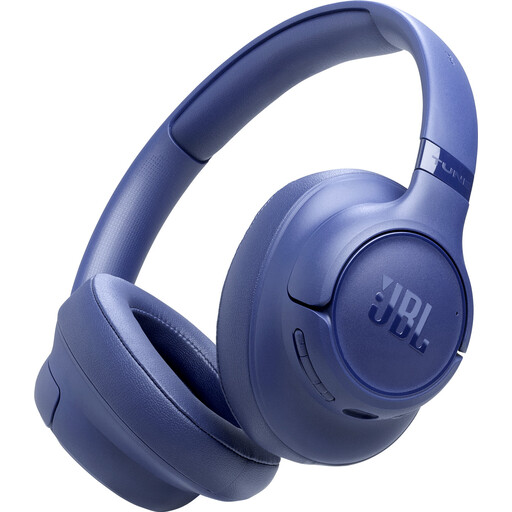
JBL Tune 730BT, blue

JBL Tune 730BT – Blue

An option to consider if you’re looking for headphones to use on the go and want to compare orchestral extracts.

The product information mentions JBL Pure Bass Sound; listen to see whether that sound suits your comparisons.

Joybuy

Bose QuietComfort Ultra Bluetooth Headphones, black

Bose QuietComfort Ultra Bluetooth Headphones – Black

An option for anyone looking to reduce train noise with active noise cancellation.

Check whether your preferred way of listening via a cable works with your device when the battery is flat.

Joybuy
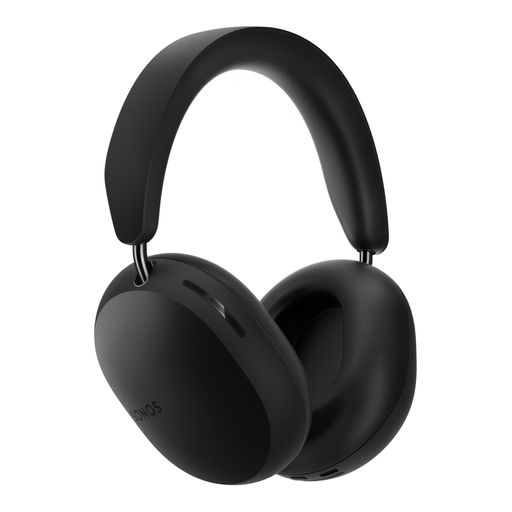
Sonos ACE Over-Ear Bluetooth Headset, black

Sonos ACE Over-Ear Bluetooth Headset – Black

An option to explore if you’re weighing up active noise cancellation and wired listening.

Check which connection is compatible with your playback device and the listening setup you want to use.

Joybuy
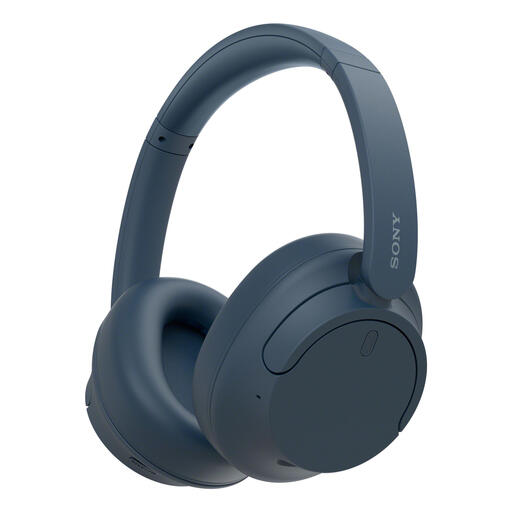
Sony WH-CH720N, blue

Sony WH-CH720N – Blue

An option to consider if you want to use active noise cancellation while listening on the go.

Compare orchestral extracts using consistent settings, and check that the connection is compatible with your playback device.

Joybuy
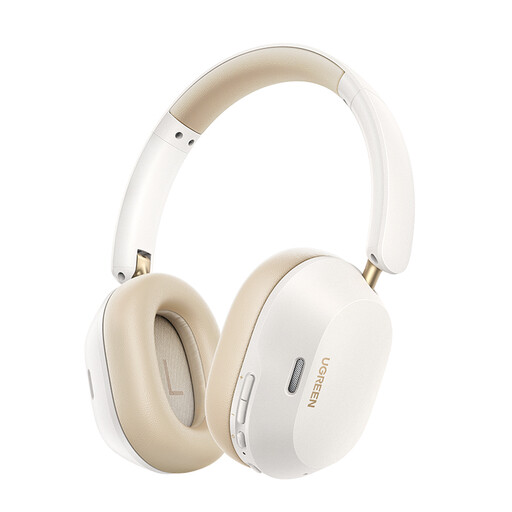
UGREEN HiTune Max5c ANC Headphones, white

UGREEN HiTune Max5c ANC Headphones – White

An option if you want to compare active noise cancellation with wired and wireless listening.

Keep your listening settings the same when comparing recordings, so you can assess them under similar conditions.

Joybuy

Frequently asked questions

Can I listen to open-back studio headphones on the train?

You can, but an open-back design does little to block surrounding noise and lets sound leak out. Under NS’s house rules, passengers must not disturb others with loud music. Well-fitting closed-back headphones are therefore a practical option to consider; that doesn’t automatically mean a particular model is prohibited.

How can I listen on a noisy journey without constantly turning up the volume?

Don’t automatically turn up the volume to drown out the train. The WHO recommends well-fitting headphones, optionally with noise cancelling, to reduce the need to listen at higher volumes; listening level and duration also matter.

What should I check about connections and parts?

Before buying, check that the plug fits your device’s audio output and that the cable is long enough for how you plan to use it. If the headphones have detachable cables or replaceable earpads, check which parts are available for the exact version. For an ANC model, check separately whether it works via a cable when the battery is flat.

What are my rights when buying online in the Netherlands?

When you buy online from a business, you’ll generally have a 14-day cooling-off period; check the seller’s information for your purchase. According to the Dutch Government, there is no fixed statutory two-year guarantee period for all products in the Netherlands. A manufacturer’s guarantee does not replace your statutory rights against the seller.
