
Listeners distracted by noise at home
You listen to spoken theatre content on a phone or computer, but can also hear noises around the house. A comfortable fit and a good seal are important considerations.


When there’s distracting noise at home, well-fitting, closed-back headphones with noise cancelling are a sensible option. They can help you avoid turning the volume up straight away. If you mainly miss words, look for adjustable sound settings or a speech mode too, but bear in mind that these features won’t work the same way for everyone. If you’re listening via your TV, check which audio outputs it has and whether you’ll need a transmitter base station. The WHO recommends well-fitting headphones and noise cancelling to help you avoid turning up the volume as quickly in noisy environments.
You listen to spoken theatre content on a phone or computer, but can also hear noises around the house. A comfortable fit and a good seal are important considerations.
You can hear the recording, but would like to follow voices or speech more easily. If you often find conversations difficult to follow outside this listening situation too, speak to a professional.
You play the review through your television and mainly want to know whether the headphones will connect to your TV and stay comfortable during longer listening sessions.
First, decide what matters most to you: noise at home, following the words, comfort over long periods or connecting to your playback device. Then check the fit and features of the specific model.
| Concern | What should you look for when buying? | Who is this important for? |
|---|---|---|
| Reducing noise at home | Check how the earcups fit and whether the model has noise cancelling and, if relevant, an ambient sound mode. | If noises around the house drown out my recording, I want to reduce distractions without immediately turning the volume up. Around 36% of consumers prioritise reducing noise at home. |
| Following spoken words | Check which sound settings or speech features the specific model offers, and try them with a speech recording of your own if possible. | If I can hear the recording but miss words, I want to be able to adjust the sound. Around 29% of consumers prioritise following spoken words. |
| Comfort during longer listening sessions | Pay attention to the pressure and seal around your ears; if possible, try the fit while wearing glasses too. | For a longer review, I want headphones that stay comfortable without needing to turn the volume up to drown out noise at home. Around 21% of consumers prioritise comfort during longer listening sessions. |
| Connecting to your device | Check the available audio output on your phone, computer or TV, and whether you’ll need a transmitter base station. | If I listen through my TV or another device, I want to know in advance how the headphones will connect to it. Around 14% of consumers prioritise compatibility with their own device. |
Noise cancelling and the seal of the ear cushions vary from model to model. Reducing background noise doesn’t automatically mean spoken theatre content will sound clearer to every listener.
Try the fit and, if possible, listen to a similar speech recording. If words are still hard to follow, check the sound settings available too.
A transmitter base station may need an optical or 3.5 mm connection. Without a suitable output, this solution won’t connect directly to your TV.
Check the outputs and audio settings on your own TV. If you need to, also check whether it can play sound through the speakers and headphones at the same time.
Manufacturers may give different figures for different listening modes. For example, Sony lists separate figures for the WH-1000XM5 with noise cancelling on and off.
Only compare battery life figures when they relate to the same listening mode you plan to use.
According to ACM ConsuWijzer, you have statutory rights against the seller even if you haven’t taken out an extended warranty.
Check exactly what an extended warranty plan covers, and keep it separate from your statutory rights against the seller.
The WH-1000XM5 are closed-back, over-ear Bluetooth headphones with noise cancelling, an ambient sound mode and a detachable cable. They may be worth considering if you usually listen on a phone or computer.
The RS 195 is a TV listening system with its own transmitter, listening profiles, left-right balance and a speech mode. It may be relevant if your audio source can connect to the transmitter.
The SHD6000BK/12 are TV headphones with a base station that, according to Philips, can connect to a TV using an optical or 3.5 mm cable.
The Tune 770NC combines Bluetooth, active noise cancelling, ambient sound modes and an equaliser you can adjust in the app.
For the second-generation QuietComfort Ultra Headphones, Bose describes noise cancelling, adjustable sound and a Cinema Mode for video content.
These Joybuy product picks are suited to listening to spoken content at home, with options for wireless listening, noise cancelling or adjustable sound. Check that each model’s connection and features are right for your phone, computer or TV.
 Image unavailable
Worth considering if you’re looking for wireless over-ear headphones with noise cancelling.
The product name lists 60 hours of battery life and fast charging; the listening mode for that battery life figure isn’t specified.
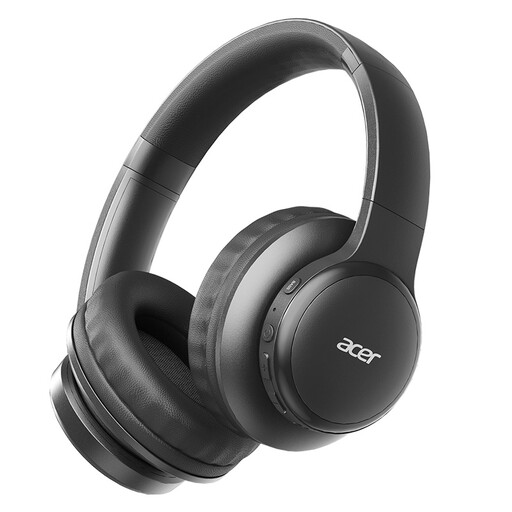 Image unavailable
May suit you if you want to listen wirelessly and having controls on the headphones matters to you; check separately whether the noise isolation suits your situation.
The product name lists Bluetooth 5.3, physical buttons, a volume wheel and a foldable design.
 Image unavailable
Worth considering if you want to listen from a Bluetooth source; check that the connection and features you want are compatible with your playback device.
The product name lists Bluetooth and the colour black.
 Image unavailable
May suit you if you’re looking for over-ear headphones for a Bluetooth source; check which connections and features you can use with your devices.
The product name lists Bluetooth and the colour black.
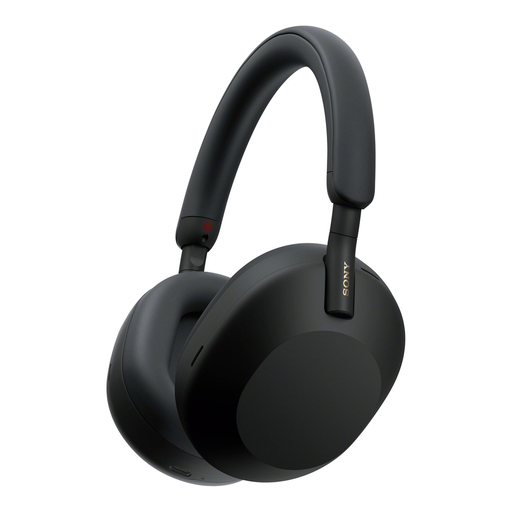 Image unavailable
Worth considering if you’re looking for closed-back over-ear headphones with noise cancelling for spoken content at home.
Sony Netherlands lists Bluetooth, a detachable connection cable and passive operation. Check which connection your source supports.
No. Don’t automatically turn up the volume to drown out noise at home. Well-fitting headphones with noise cancelling can help you avoid turning the volume up as quickly; the WHO recommends taking volume and listening time into account. If you often find conversations difficult to follow, the WHO advises speaking to a professional.
First, check which audio outputs your TV has and compare them with the connections on the base station. For the SHD6000BK/12, Philips describes a connection using the supplied optical or 3.5 mm cable. Then check your TV manual for the audio settings.
That depends on the TV model and the audio output you’ve selected. Sony describes simultaneous output for certain TV products; check your TV manual to see whether this is possible.
For a standard online consumer purchase in the Netherlands, you generally have up to 14 days after delivery to change your mind, subject to legal exceptions. ACM ConsuWijzer also explains that statutory guarantee rights apply if a product doesn’t meet what you could reasonably expect under normal use; the seller is your point of contact. Statutory guarantee rights don’t automatically last for two years for every pair of headphones.