For a compact listening setup, in-ear headphones are usually the first option to compare. Sealing designs suit listeners who want to focus more easily on speech, while open-ear earbuds let in more of the sounds around you. If you’d rather not wear anything in your ear canal, on-ear headphones may suit you if you find the pressure comfortable. A wired set is an option if you don’t want to worry about charging, provided the connection works with your player. Fit, background noise and volume all play a part in comfortable listening.
Who might find this choice useful?
Listener with limited bag space
You want to take stories with you easily, so you’re considering compact earbuds instead of over-ear headphones. The Dutch consumer association Consumentenbond distinguishes between compact earbuds and larger headphones.
Listener in a noisy environment
You want to follow spoken content without constantly turning up the volume. Compare how the earbuds fit and what any noise cancellation means for where you listen.
Listener who wants to hear their surroundings
You want to stay aware of the sounds around you while listening. The Dutch government advises keeping the volume low and making sure you can hear your surroundings when taking part in traffic.
Which buying considerations matter?
First choose where you’ll listen, then decide how much comfort, awareness of your surroundings and freedom from charging matter to you.
Sealing wireless in-ear headphones
Best for: limited bag space and listening in places where background noise is distracting.
Bear in mind: fit varies from person to person, and noise cancellation won’t block out every sound.
Open-ear earbuds
Best for: listening while staying aware of the sounds around you.
Bear in mind: this design doesn’t block background noise like well-fitting in-ear headphones do.
Wireless on-ear headphones
Best for: anyone who doesn’t want earbuds in their ear canal and is happy to make room for a larger pair in their bag.
Bear in mind: the ear cushions rest on your ears and may feel tight.
Wired in-ear headphones
Best for: anyone who doesn’t want to keep track of a charging case or earbud battery, and has a compatible connection.
Bear in mind: the cable may get in the way when you move around. Check that the plug and controls work with your player.
| What to consider |
What should you check? |
Who might this matter more to? |
| Size and portability |
Compare the earbuds with the case, and check the ear tip sizes and playback time per charge. |
If you have limited bag space, you’ll want a small set that fits your ears. Around 29% of consumers put compact portability first. |
| Speech in background noise |
Check the fit, noise cancellation and playback time with the feature switched on. |
If background noise drowns out stories, you’ll want to listen without constantly turning up the volume. Around 23% of consumers make clear speech their top priority. |
| Hearing your surroundings |
Compare open-ear designs with a model that has an ambient mode; keep the volume low in traffic. |
If you want to stay aware of announcements or other sounds around you while listening, a less isolating design may suit your needs. Around 18% of consumers say this is their main consideration. |
| Comfort during longer listening sessions |
Consider the ear tips or the pressure from the headband and ear cushions, based on how long you plan to listen. |
If you want to listen for longer without earbuds in your ear canal, pay attention to the pressure from on-ear cushions. Around 18% of consumers make long-wearing comfort their top priority. |
| Listening without charging |
Check the exact model’s plug, your device’s connection and whether the controls work with your player. |
If you don’t want to charge earbuds, a wired set may suit you as long as the connection is compatible. Around 12% of consumers mainly want to avoid having to plan around charging. |
Buying pitfalls
-
Confusing total battery life with playback time per charge
The stated total battery life may include the charging case. That’s different from how long the earbuds themselves play before they need to go back in the case.
Compare playback times on the same basis, and check whether the figure applies with noise cancellation switched on.
If you don’t have the case with you, shorter playback time per charge may mean you need to recharge sooner than expected.
-
Assuming noise cancellation helps you stay aware of your surroundings
A sealing design and noise cancellation are intended for a different listening need from open-ear headphones. In traffic, you need to be able to hear the sounds around you.
Choose headphones to suit where you’re listening, keep the volume low and don’t rely on ambient mode alone to stay alert.
-
Buying wired headphones without checking the connection
A cable alone doesn’t guarantee that the plug and controls will work with your phone or other player.
Before buying, compare your device’s connection with the plug on the exact model, and check whether you’ll need an adapter.
An adapter can be an extra item to carry with you.
Brands to consider
Sony
Sony offers a range of designs for compact listening, including sealing in-ear, on-ear and wired in-ear headphones.
- Sony lists ambient mode, multipoint and up to 8.5 hours of continuous playback with noise cancellation on for the WF-C710N.
- Sony lists a 1.2 m cable for the MDR-EX110AP.
- Sony lists the WH-CH520 as weighing around 147 g, and its model specifications don’t include an ambient sound mode. On-ear headphones rest on your ears and may feel tight.
JBL
The Tune Beam 2 is a sealing wireless in-ear model to compare if you’re weighing up noise cancellation and switching to ambient sound.
- JBL lists Adaptive Noise Cancelling, Smart Ambient and multipoint.
- The stated maximum playback time of 48 hours doesn’t mean 48 hours of continuous use from the earbuds alone. Fit and how much speech and background noise are reduced will vary by listener and situation.
soundcore
The C30i is an open-ear clip-on model; the Liberty 4 NC is a sealing alternative to compare if you’re looking for noise cancellation.
- The open-ear design of the C30i leaves your ear canal clear.
- soundcore claims up to 10 hours without the case and 50 hours with it for the Liberty 4 NC. These manufacturer figures don’t tell you how the fit will feel or how much speech and background noise will be reduced in your situation.
Philips
Philips offers the wired in-ear TAE1105BK/00 and the wireless TAT6000BK/00, which has an awareness mode.
- Philips lists three sizes of interchangeable ear tips and in-line controls for the TAE1105BK/00.
- For both models, check that the connection and controls are compatible with your playback device. You may not need the extra features of a smart charging case for the way you listen.
Products at Joybuy
This selection includes compact wireless in-ear headphones, an open-ear option and wired in-ear headphones to compare for listening to stories.
 No image available
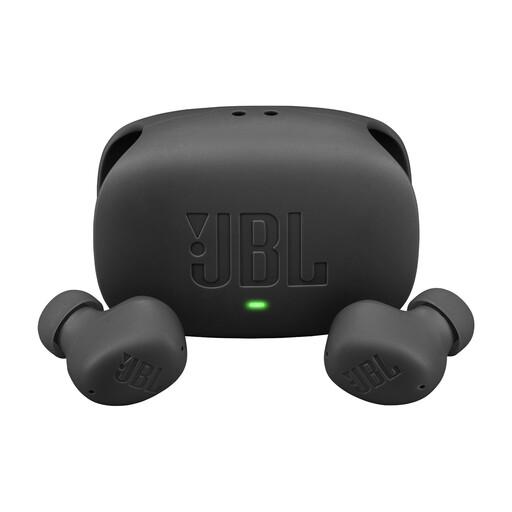
JBL Wave Buds 2 Black
A compact wireless in-ear option to compare if you have limited bag space.
View at Joybuy
 No image available
Bose Noise Cancelling Wired Earbuds Black
A wired in-ear option to compare if you don’t want to charge earbuds. Check that the connection works with your player.
View at Joybuy
 No image available
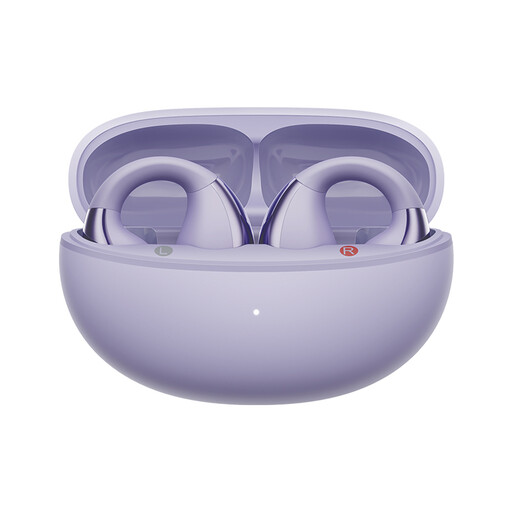
QCY Crossky C30 Purple
An open-ear option to compare if you want to stay aware of your surroundings while listening. The design doesn’t block background noise like well-fitting in-ear headphones do.
View at Joybuy
 No image available
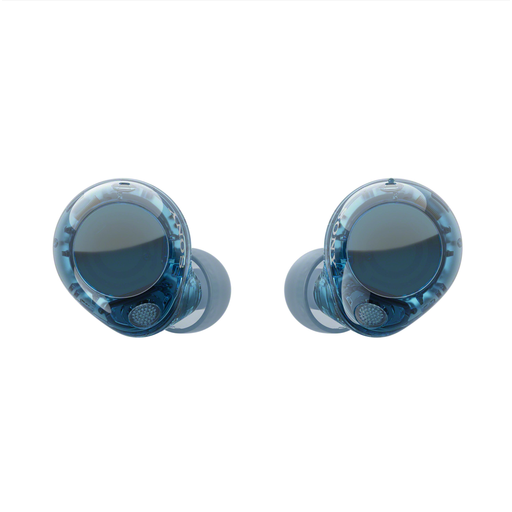
Sony WF-C710N Glass Blue
A sealing wireless in-ear option to compare for compact listening. Sony lists ambient mode and multipoint for the WF-C710N.
Sony states up to 8.5 hours of continuous playback with noise cancellation switched on.
View at Joybuy
 No image available
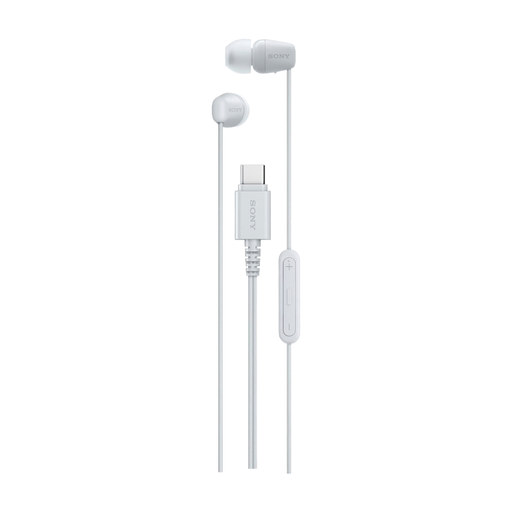
Sony IER-EX15C USB Type-C White
A wired in-ear option if you’d rather not carry a charging case. Check that your player has a compatible USB Type-C connection.
View at Joybuy
Frequently asked questions
Can I listen to a story with earbuds while cycling or driving in the Netherlands?
The Dutch government allows hands-free listening while driving, but you must not hold a mobile device. It advises keeping the sounds around you audible, for example by keeping the volume low or using one earbud. This safety advice is separate from the rule about holding a device.
How should I set the volume for longer listening sessions?
The World Health Organization advises keeping the volume low, taking breaks and monitoring your exposure. The rule of thumb of no more than 60% of your device’s volume is advice, not a guaranteed safe level for every phone and headphone combination. Both volume and listening time matter.
What should I check when connecting and maintaining my headphones?
With a wired model, first check that the connection and controls work with your playback device. For in-ear headphones, choose ear tips that fit well and follow the instructions for the exact model when cleaning and charging. A stated water-resistance rating for the earbuds doesn’t automatically apply to the case.
What are my rights if I buy online and the fit isn’t right or the headphones develop a fault?
According to ACM ConsuWijzer, online purchases generally come with a cooling-off period of up to 14 days after delivery, although there are exceptions you should check before buying. Dutch law also provides a legal guarantee. This doesn’t automatically mean every product has a fixed two-year end date, as what you can reasonably expect from the product also matters. Check any return costs and the seller’s terms and conditions.


