
Story listener dealing with cabin noise
Wants to follow speech without constantly turning up the volume. The Dutch Consumers’ Association assesses headphones using speech clips and simulated aircraft noise, among other tests.


If you want to follow spoken stories when cabin noise drowns out the narrator, start with well-fitting, noise-isolating headphones and compare ratings for speech and noise cancellation. Then choose based on comfort, playback time with noise cancellation on, and the connections that suit your device and any in-flight audio. Earbuds take up less space, but their fit and seal are personal.
Wants to follow speech without constantly turning up the volume. The Dutch Consumers’ Association assesses headphones using speech clips and simulated aircraft noise, among other tests.
Listens at intervals throughout a long flight and considers pressure around the ears, the headband or glasses, as well as battery life with noise cancellation on.
Wants to listen to stories on their own device and may also want to use in-flight audio. For example, Sony lists a stereo mini jack for the WH-1000XM6; check the connections on the model you’re considering.
Ideal if: you want to follow stories amid persistent cabin noise without wearing anything in your ear canal.
Bear in mind: they take up more room in your luggage, and the fit around your ears or glasses may feel different for everyone.
Ideal if: compact packing and the fit of earbuds matter more to you than an over-ear design.
Bear in mind: the seal and comfort vary from person to person. Check the playback time per charge, excluding the charging case.
Ideal if: you want the option of a wired connection or are less interested in extra wireless features.
Bear in mind: a cable can get in the way in an aircraft seat. Check whether the exact model works passively over a cable and whether your audio source has a compatible output.
| What to consider | What should you look for? | Who is this most relevant to? |
|---|---|---|
| Speech amid cabin noise | Look for ratings based on speech clips and simulated aircraft noise; try the headphones on and check the seal. | If I want to follow stories without constantly turning up the volume, clear speech comes first. Around 33% of consumers say speech clarity is their top buying priority. |
| Comfort over long periods | If possible, wear the headphones for longer and try them with glasses; for in-ear earbuds, check the available sizes and the seal. | If I listen to several stories during a long flight, I want the fit to stay comfortable. Around 27% of consumers prioritise long-wearing comfort. |
| Connection to your audio source | Check the output on your own device and any in-flight audio; see whether the exact model supports audio over a cable. | If I want to use both my own device and potentially the in-flight audio, I check the connections in advance. Around 20% of consumers prioritise compatibility with multiple audio sources. |
| Battery life and portability | Compare battery-life figures using the same noise-cancellation setting; check how the headphones pack away and your airline’s baggage rules. | If I want enough playback time without using up unnecessary luggage space, I consider both. Around 20% of consumers prioritise battery confidence and compact portability. |
Active noise cancellation alone doesn’t tell you how voices will sound or how much cabin noise will be reduced with a fit that suits you.
Compare ratings for both speech and noise cancellation, and check the seal when you try the headphones on.
Sony lists up to 30 hours with NC on and up to 40 hours with NC off for the WH-1000XM6. These figures therefore don’t apply to the same setting.
Compare figures using the same setting, and charge your headphones before you leave.
The standard JBL Tour One M3 and the Tour One M3 Smart Tx don’t have the same listed package contents. A charging port alone doesn’t confirm that a model plays audio through that connection.
Check the full model name, what’s included and the connections on your audio source. You may need a compatible cable or adapter for some combinations.
If a product doesn’t meet the standard you’re entitled to expect, the retailer remains responsible under the statutory guarantee. Paid-for additional cover is something different.
The Dutch Authority for Consumers and Markets (ACM) explains that there is no fixed end date for the statutory guarantee in the Netherlands. Before choosing an optional protection plan, check what additional cover it provides.
The range includes both over-ear and in-ear models. Compare the version and specifications of each model.
The MOMENTUM 4 Wireless is an over-ear option to consider if battery life, active noise cancellation and an awareness mode matter to you.
The Tour One M3 and Tour One M3 Smart Tx are different versions. Check which one you’re looking at and what connection options it offers.
The QuietComfort Ultra headphones are an over-ear option. When comparing them, pay attention to the generation and included connections.
This selection includes over-ear headphones for listening with active noise cancellation, as well as wireless in-ear earbuds that are easy to pack. For each model, check that the fit, audio connection and battery life suit your flight and audio source.
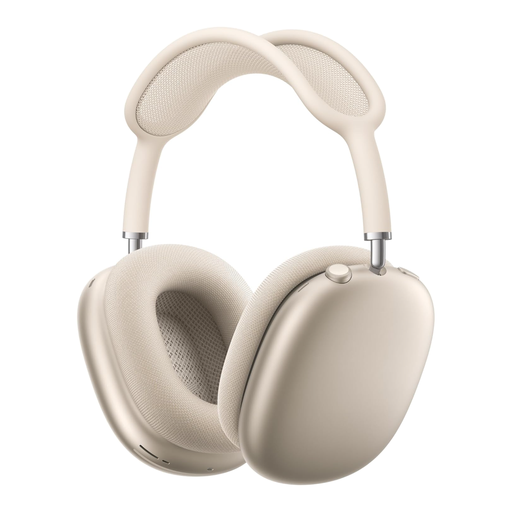 No image available
For over-ear listening with active noise cancellation and a transparency mode.
The product description mentions an adjustable fit, a mesh headband and memory foam ear cushions.
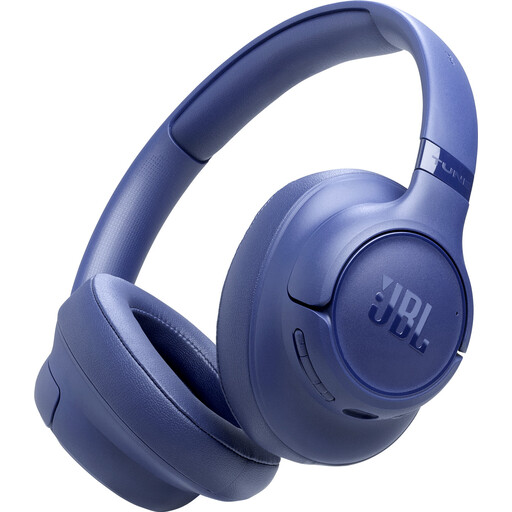 No image available
For wireless listening from your own device with a foldable over-ear design.
Bluetooth 6.0, multipoint and up to 76 hours of wireless playback are listed. The product description also mentions soft ear cushions and a padded headband.
 No image available
For over-ear listening with active noise cancellation and an included 3.5 mm audio cable.
The product description lists up to 60 hours of playback and passive use without battery power. Playback time depends on the settings you use.
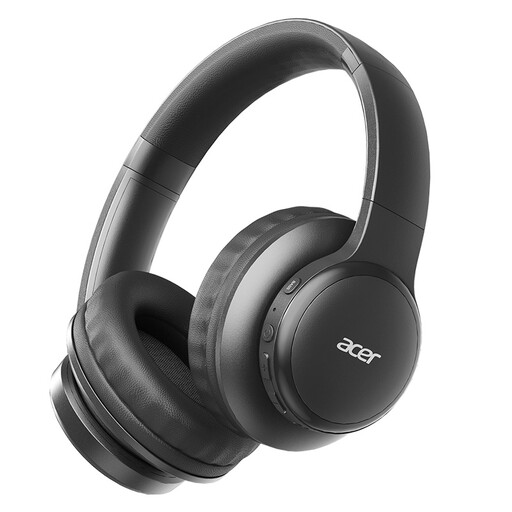 No image available
For wireless listening from a Bluetooth-enabled device; the product title describes the design as foldable.
Bluetooth 5.3 and large drivers are listed. Check that the stated features and connections suit your devices.
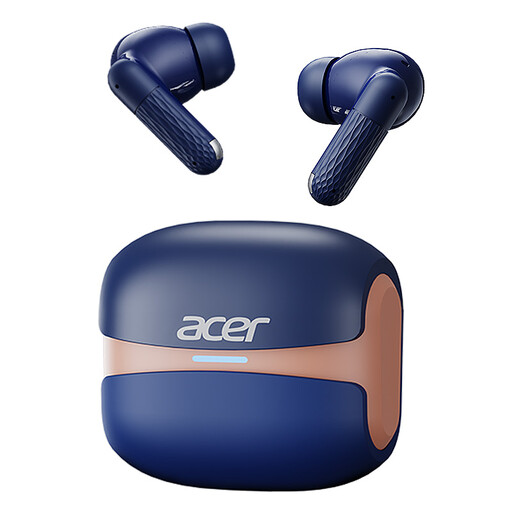 No image available
For anyone who wants to take wireless in-ear earbuds with a charging case on their travels.
Bluetooth 5.4 and a Type-C charging case are listed. Check the fit and playback time per charge for your listening sessions.
As well as fit, compare ratings for speech clips and noise cancellation with simulated aircraft noise. The Dutch Consumers’ Association includes both in its headphone tests; a music-only rating won’t tell you how a narrator sounds.
No. Check whether the exact model receives audio through that cable and whether the connection is compatible with the in-flight audio. Sony lists a stereo mini jack for the WH-1000XM6; JBL separately lists audio via USB-C and 3.5 mm for the Tour One M3.
It’s a sensible precaution if you don’t want to rely on an internet connection on board. KLM explains that Wi-Fi is available on certain flights and that audio files can’t be received or sent using the intercontinental Message Pass. Also check whether your listening service supports offline playback.
The conditions depend on the type of battery and your airline’s rules. The Human Environment and Transport Inspectorate (ILT) sets out requirements for lithium batteries and power banks, and warns that airlines may have stricter rules. Check the current conditions for your own flight, and distinguish between a built-in battery and a separate battery or power bank.
The World Health Organization advises using well-fitting noise-cancelling headphones in noisy environments, so you’re less likely to turn up the volume. It also recommends keeping the volume low and taking listening breaks. This is general advice, not a guarantee for a specific product or listening volume.