
Listener revising spoken study notes
You want to follow recorded explanations despite the cabin noise. The Consumentenbond treats voice reproduction and noise cancellation as separate features.


When revising spoken notes on a long-haul flight, a comfortable fit matters, but noise cancellation alone won’t guarantee that voices are clear. Over-ear headphones are often comfortable for long listening sessions, according to the Consumentenbond, but take up more space. In-ear headphones are more compact, though their fit and listening time per charge need consideration. Compare how voices sound using your own recording, and check the battery life with noise cancellation switched on.
You want to follow recorded explanations despite the cabin noise. The Consumentenbond treats voice reproduction and noise cancellation as separate features.
You want to listen for longer without an uncomfortable fit or a flat battery interrupting your session. The Consumentenbond describes over-ear headphones as often comfortable for long listening sessions.
You’re looking for a compact option, but also want to check that it feels comfortable and lasts long enough for your listening session.
Start by checking how clearly you can hear your own recording and how comfortable the fit is. Then compare listening time per charge and make sure your headphones work with the device you’ll use during the flight.
This table is for people who want to revise spoken study notes during a long-haul flight. The percentages show which consideration takes priority when making that choice.
| What to consider | What to look for | Who should prioritise this? |
|---|---|---|
| Speech clarity | Listen to your own recording and compare how voices sound with noise cancellation switched on and off. | I want to follow spoken explanations when the cabin is noisy; around 29% of consumers in this choice context prioritise speech clarity. |
| Comfort during long sessions | Check the fit; with over-ear headphones, pay attention to pressure from the headband and ear cushions. | I want to listen for hours without the fit becoming uncomfortable; around 23% of consumers in this choice context choose comfort as their top consideration. |
| Uninterrupted battery life | Compare the stated playback time with noise cancellation switched on. For in-ear headphones, check the time per charge, not the total time including the charging case. | I don’t want to have to recharge in the middle of a listening session; around 18% of consumers in this choice context prioritise battery life. |
| Connectivity during the flight | Check your device’s connections, the cable supplied and your airline’s rules. | I want to make sure my headphones work with my own playback device; around 18% of consumers in this choice context choose connectivity as their top consideration. |
| Cost and features | Check which listening features you’ll actually use and read the terms of any additional cover. | I don’t want to pay for features or additional cover that won’t benefit me; around 12% of consumers in this choice context prioritise this consideration. |
Noise cancellation and the reproduction of spoken words are separate features. Reducing background noise won’t automatically make an unclear recording easier to understand.
Listen to your own notes before you leave and try out the controls for pausing or switching on ambient sound.
The stated playback time per charge is different from the total listening time available with a charging case. Sony specifies up to 8 hours per charge for the WF-1000XM6 with noise cancellation switched on.
Compare the time per charge with your planned listening session and charge your earbuds beforehand.
If the battery doesn’t last long enough, a charging break could interrupt your revision session.
Bluetooth headphones won’t automatically work with the entertainment system in your seat. Using Bluetooth on board also depends on your airline’s rules.
Check the guidance for your flight in advance, and make sure a cable fits your own device or the socket you want to use.
A wired option may need a compatible cable or adapter; check what’s included with the exact model.
According to the Dutch government, there is no fixed time limit for statutory warranty in the Netherlands, and it is separate from a manufacturer’s warranty or additional cover.
Before choosing additional cover, compare its terms with your existing statutory rights.
Additional cover may be unnecessary if its terms don’t offer you anything extra.
The WH-CH720N and WH-1000XM6 are over-ear models, while the WF-1000XM6 is a compact in-ear option. Compare the exact model and fit.
The MOMENTUM 4 Wireless is an over-ear option for anyone who values a long stated playback time and a transparency mode.
The QuietComfort Ultra Headphones (2nd Gen) are an over-ear option with noise cancellation and an analogue audio cable.
The Tour One M3 is an over-ear option with several ways to play audio using a wired connection.
This selection features wireless over-ear headphones with noise cancellation for listening during long sessions. Focus on comparing the fit, stated battery life and any wired listening options for the exact model.
 No image available
An over-ear option for anyone who wants the flexibility of a transparency mode during long listening sessions.
Sennheiser states that it offers up to 60 hours of playback; this is a manufacturer’s estimate.
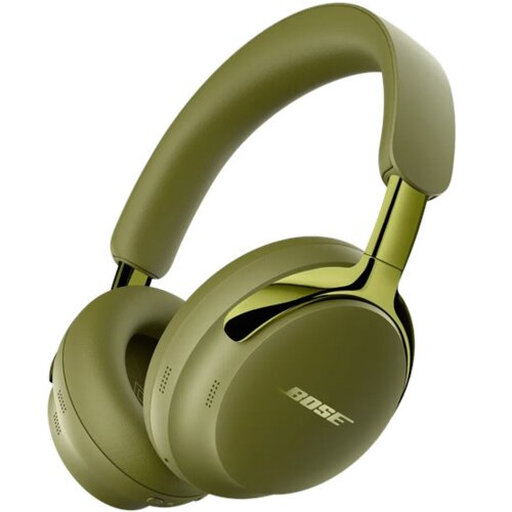 No image available
An over-ear option if you’re looking for noise cancellation and the flexibility of wired listening.
Bose states that they offer up to 30 hours per full charge and come with an audio cable featuring 3.5 mm and 2.5 mm connectors. No charger is listed for this model; check that you have a compatible one.
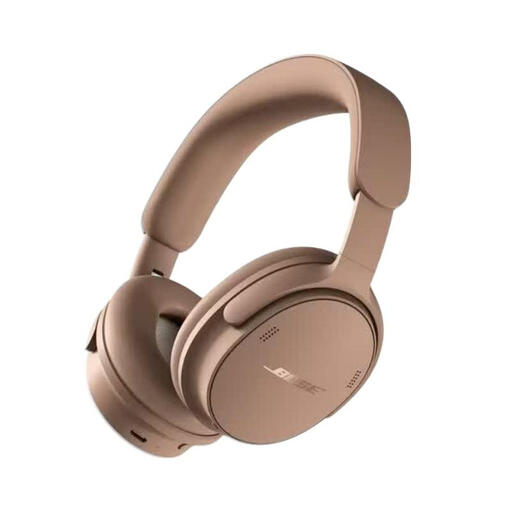 No image available
Wireless over-ear headphones with noise cancellation, for anyone who wants to compare this model’s fit and controls.
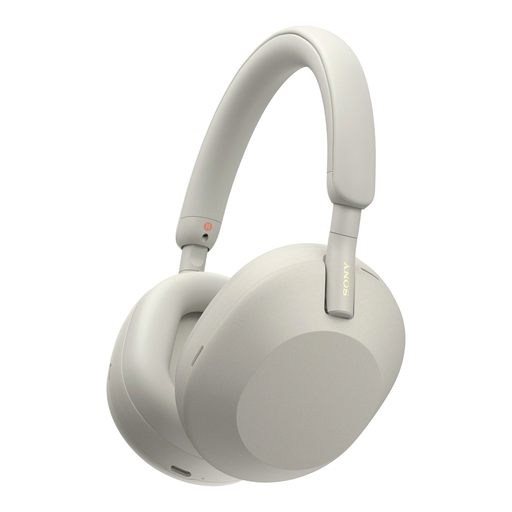 No image available
Wireless over-ear headphones with noise cancellation; check that the fit and controls feel comfortable for your planned listening session.
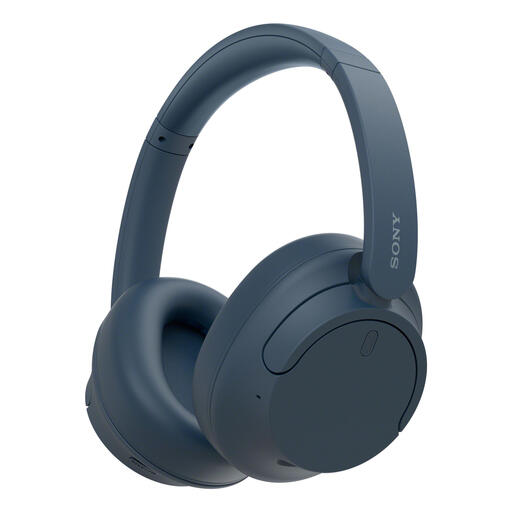 No image available
An over-ear option for anyone comparing noise cancellation and stated battery life with the feature switched on.
Sony states that this model offers up to 35 hours with noise cancellation switched on and weighs around 192 g.
No, noise cancellation alone can’t guarantee that. The Consumentenbond treats noise cancellation and voice reproduction as separate features. So test your own recording at a comfortable volume.
Charge your headphones beforehand and test the connection and controls with your playback device. If you’re using a cable, check that it fits. For in-ear headphones, check the playback time per charge if you want to listen without interruption.
That depends on your airline and the instructions for your flight. Transavia allows Bluetooth use during the flight, but asks passengers to switch off devices during take-off and landing. The European Union Aviation Safety Agency notes that rules can vary between airlines; follow the crew’s instructions.
Pack a power bank or spare lithium battery in your hand luggage, not your hold luggage. The European Union Aviation Safety Agency also notes that different conditions may apply to devices with a built-in battery; check the rules for your flight.
The World Health Organization recommends using well-fitting noise-cancelling headphones to reduce the temptation to turn up the volume in noisy environments. Keep the volume low and take regular listening breaks; noise cancellation doesn’t replace these precautions.