
Vandaag of morgen in huis

Kwaliteit gegarandeerd

Welkomstaanbiedingen ontgrendelen: GRATIS bezorging | Tot 80% korting | Gratis 30 dagen JoyPlus-proefperiode
Download de app
Buying headphones seems straightforward, until you have to choose between wireless, wired, over-ear, in-ear, noise cancelling and a gaming headset. Marketing copy often focuses on impressive figures, while practical details determine whether you will enjoy using a model every day.
The most common disappointing purchases arise from three pitfalls:
Over-ear headphones completely surround your ears. This can be comfortable when travelling, working and listening to music for long periods. Check the weight, the shape of the ear cushions and whether the headband is adjustable.
In-ear headphones or a pair of earbuds are smaller and easier to carry around. Pay attention to the included ear tips, moisture protection and battery life per earbud. An IP rating indicates the conditions against which the product has been tested. IP54, for example, offers protection against dust and splashes, but does not make a product suitable for submersion.
A wired headset avoids charging issues and can be useful with PCs, laptops, consoles or smartphones with USB-C. However, check that your device supports the connection. USB-C does not automatically mean that every phone, tablet or laptop outputs audio through that port.
Bluetooth headphones are practical for phones, tablets and laptops. Bluetooth 5.4 or 6.0 mainly indicates the connection standard being used; on its own, it does not guarantee better sound or greater range. Also look for:
For gaming, a 2.4GHz connection alongside Bluetooth can be useful. A 3.5mm connection is often the simplest choice for consoles with a connection on the controller.
The stated battery life depends on volume, codec, noise cancellation and other features. With noise cancelling headphones, ANC can reduce operating time. Therefore, check the battery life with and without active noise cancellation, if both figures are available.
If you make frequent calls, a good microphone setup is more useful than simply having a large number of speakers. The number of microphones is a verifiable specification, but does not tell you everything about speech clarity in windy or busy environments. According to the manufacturer’s own product information, some models use noise cancellation for calls; treat this as a product feature, not a guarantee for every calling situation.
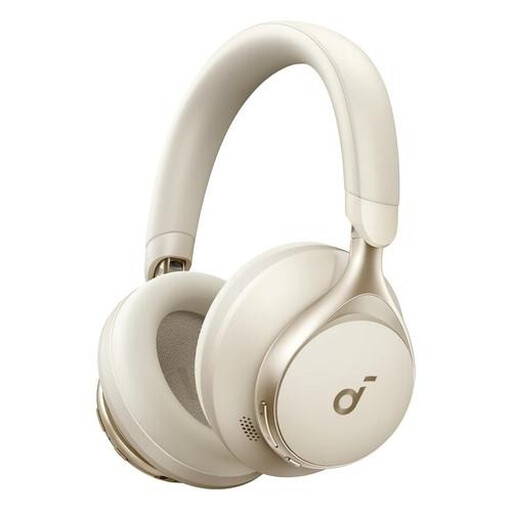
Why it suits this profile: This over-ear headset combines Bluetooth with a 3.5mm connection. That means you can use it wirelessly for everyday listening and switch to wired use when the battery runs out.
The combination of wireless and wired use reduces reliance on the battery. The stated battery life is up to 55 hours; actual results depend on usage and settings.
40mm dynamic drivers, foldable design, three microphones and USB-C charging.

Why it suits this profile: This model is designed for users who combine music, calls and travel, while valuing extensive settings and long battery life.
The product information lists both active noise cancellation and a transparency mode. You can therefore let in ambient sound without taking off the headset.
Up to 60 hours of stated playback time, 42mm transducers, four microphones and an included 3.5mm cable.
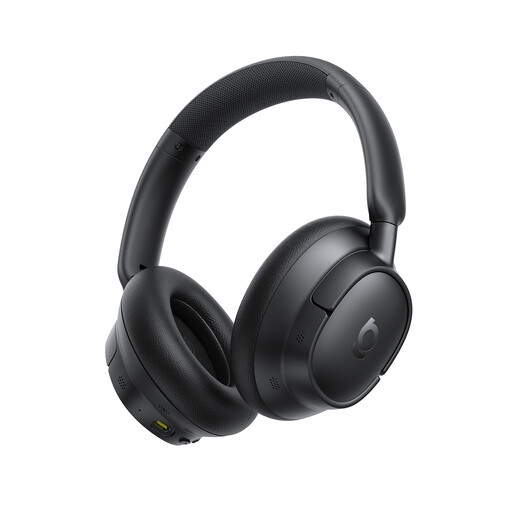
Why it suits this profile: If you travel frequently, work from home or enjoy long listening sessions, you get features designed specifically for these situations.
According to Baseus’s own product information, the hybrid ANC function can reduce ambient noise by up to 45 dB. Treat this as a stated value; the experience varies depending on the environment and fit.
Up to 80 hours without ANC, up to 55 hours with ANC, LDAC support and five microphones according to the product description.
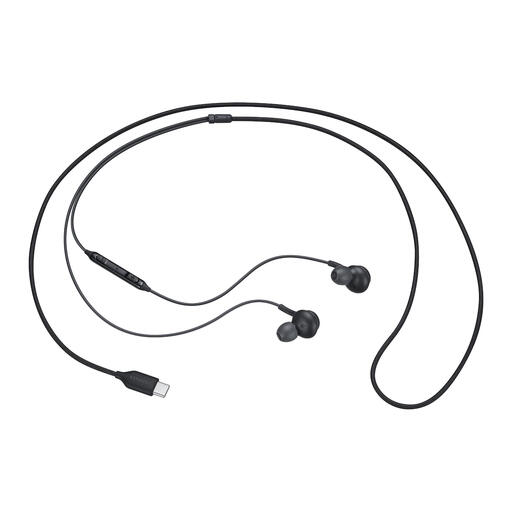
Why it suits this profile: These USB-C earbuds are suitable for users who do not want to charge a battery and are looking for a lightweight model for music and calls.
The wired connection prevents Bluetooth pairing issues and flat batteries. Check beforehand whether your device supports USB-C audio.
18.35 grams, built-in DAC, buttons on the cable and various ear tip sizes according to the product information.
We have put together a complete, up-to-date list of products that fully meet these strict selection criteria and the applicable European safety regulations.
Yes, as long as the model has a built-in microphone and is compatible with your phone or computer. For a headset for music and calls, microphone placement, controls and support for multiple devices are practical considerations. For online meetings, also check which microphone features are actually listed in the product specifications.
Lifespan depends on the hinges, cables, ear cushions, battery and everyday use. A wired model has no battery that loses capacity, whereas wireless headphones may operate for less time per charge as they age. Keep the product dry, charge it with a suitable cable and clean the ear cushions with a soft, dry cloth.
The power consumption of Bluetooth headphones is generally limited. The main recurring costs are usually not charging, but replacing ear cushions, a charging cable or the entire product when the battery no longer performs sufficiently. A model with long battery life can offer a practical advantage, particularly because you need to charge it less often.
