
Singer monitoring their voice
You’re singing along or recording your harmony part and want to hear the backing track and your own voice without distracting delay.


If you’re singing along to a recording or listening back to your own voice, a well-fitting, closed-back pair of wired headphones is the most obvious choice. It avoids adding Bluetooth delay, while the closed design can help keep sound in. If you’re mainly listening to the part and aren’t singing along in time, a closed-back wireless model with noise cancelling may be more practical. Noise cancelling alone doesn’t tell you how much sound your roommate will hear.
You’re singing along or recording your harmony part and want to hear the backing track and your own voice without distracting delay.
You’re repeating a part while someone nearby is sleeping, studying or relaxing. A good fit, closed-back earcups and a moderate volume matter more than noise cancelling alone.
You learn mainly by listening to a part several times and want a comfortable fit, a manageable volume and, perhaps, the option to listen wirelessly.
Choose this option: if you’re singing along, monitoring your voice or using a microphone, and timing matters.
Bear in mind: the connection, space for the cable and fit; a closed-back design doesn’t guarantee that your roommate won’t hear anything.
Choose this option: if you mainly listen repeatedly and don’t need to monitor playback in time with a performance.
Bear in mind: Bluetooth can add delay when you’re singing along; noise cancelling doesn’t determine how much sound leaks out.
| What to consider | What to look for | Who is this most important for? |
|---|---|---|
| Sound leakage | Check whether the headphones are closed-back, how the ear cushions fit and whether the backing track remains audible at the volume you use. | When I’m practising with my roommate nearby, I want to keep the volume moderate and minimise sound leakage. Around 36% of consumers prioritise reducing sound leakage. |
| Timing when singing along | Check that your device has a suitable wired output. If you’re recording, also check how your interface or software handles monitoring. | When I’m singing along with the backing track or listening back to my own voice, I don’t want Bluetooth to add extra delay. Around 29% of consumers give timing the highest priority. |
| Comfort and volume | Check how the ear cushions fit and whether they’re replaceable. Listen at a manageable volume and take breaks. | When I’m repeating a part often, I want my headphones to feel comfortable without having to keep turning up the volume. Around 21% of consumers prioritise comfort and a manageable volume. |
| Ease of connecting | Check the audio port, the plug size you need and whether an adapter is required. For wireless models, check whether you can also listen using a wired connection. | When I switch between devices or listening modes, I want to know whether the same headphones will connect to them. Around 14% of consumers give flexible listening the highest priority. |
Noise cancelling is designed to reduce ambient noise for the wearer. It doesn’t tell you how much sound a roommate will hear.
Check how the closed-back earcups fit, and try the volume you intend to use while someone is sitting next to you.
Bluetooth can introduce noticeable delay when you’re singing along or listening back to your own voice.
Before buying, check whether you can connect the headphones using a cable and how your recording device handles monitoring.
The beyerdynamic DT 770 PRO is available in 32, 80 and 250 ohm versions. The right connection also depends on the output of your device.
Check the full model variant and plug size against your phone, laptop or audio interface.
Depending on the output, you may need a suitable adapter.
These brands offer models that may suit monitoring or listening in a shared bedroom. Their inclusion here doesn’t guarantee that a specific version is available.
The closed-back, wired ATH-M40x is a monitoring option for listening closely to a part.
The closed-back, wired DT 770 PRO is a monitoring option available in different impedance versions.
The closed-back, wired HD 280 PRO is a monitoring option where isolation and replaceable ear cushions are worth considering.
Shure says the closed-back SRH440A is designed for studio monitoring sessions and has a detachable cable.
The closed-back WH-CH720N combines Bluetooth and noise cancelling with the option to listen using a cable.
These models offer wired listening or combine it with Bluetooth, which may be useful when timing or flexible listening matters during practice.
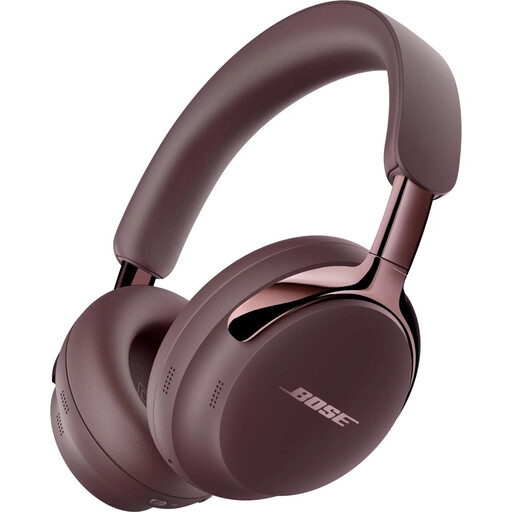 Image unavailable
Suitable for listening when you also want the option of a wired connection.
The product description lists Bluetooth, active noise cancelling and a detachable cable with USB-C and 3.5mm connections. Noise cancelling doesn’t determine how much sound leaks out to your roommate.
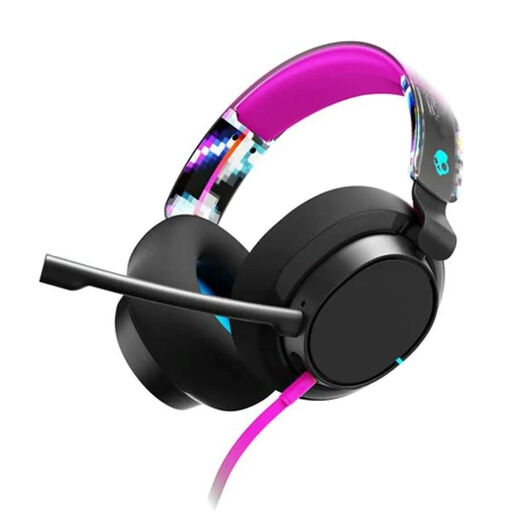 Image unavailable
A wired over-ear headset is an option if you want to avoid extra Bluetooth delay while singing along.
The product information lists USB-C and 3.5mm connections, a microphone and memory foam ear cushions.
 Image unavailable
Suitable for listening via Bluetooth when you also want the option of a wired connection.
The product description lists a closed-back design, active noise cancelling, Bluetooth and an audio cable. Noise cancelling doesn’t show how much sound leaks out.
 Image unavailable
Suitable for listening when you want to switch between Bluetooth and a wired source.
The product description lists active noise cancelling, closed-back earcups, Bluetooth and wired connections via USB-C and 3.5 mm. It also mentions memory foam ear cushions and an adjustable headband.
 Image unavailable
Suitable for listening repeatedly via Bluetooth when you also want a wired listening option.
The WH-CH720N specifications list a closed-back design and a stereo mini-jack input; the product description mentions active noise cancelling. Noise cancelling doesn’t tell you how much sound your roommate will hear.
Bluetooth may be fine for listening alone, but if you’re singing along or listening back to your own voice, try a wired connection first. Ableton describes the additional delay caused by Bluetooth codecs in the use case discussed, but those figures don’t determine the delay for your particular set-up.
Check your device’s output and plug size, and see whether your audio interface has direct monitoring. This feature can send the input signal straight to the headphone output; exactly how it works depends on your interface and recording settings.
Start at a moderate volume, check the fit and take listening breaks. The World Health Organization stresses that both sound level and listening time matter; a particular example level isn’t a guarantee for every other listening habit.
For an online purchase in the Netherlands, you’re generally entitled to a 14-day cooling-off period after delivery, subject to exceptions that you should check in advance. This is separate from your statutory guarantee: what you can expect from the product depends on the circumstances and normal use. If there’s a problem, contact the seller.
Radio equipment such as Bluetooth headphones is covered by EU product rules, including requirements for safety and electromagnetic compatibility. The CE marking indicates that the manufacturer declares the product meets the applicable EU requirements; it isn’t an independent quality mark for sound isolation.