What should you look for?
Closed-back wired over-ear headphones
Choose this option: if you want to hear your voice through a suitable interface or another monitoring output. Focusrite recommends closed-back headphones to reduce sound from the room reaching your headphones.
Things to consider: how well they block sound depends on the fit. Check the plug, any adapter you may need and the cable length too.
Wired in-ear headphones
Choose this option: if a compact design is important and the ear tips fit well. Shure lists a fit kit and detachable cable for the SE215.
Things to consider: fit and hygiene need attention. A good seal can also make background noise harder to hear.
Bluetooth headphones
Choose this option: if you mainly want to listen to an existing backing track and don’t need to hear your own voice in real time.
Things to consider: Audio-Technica notes that Bluetooth audio can be delayed. Check separately whether the model has a wired listening mode.
When you’re practising at a campsite, your choice mainly comes down to monitoring, how well the headphones block sound, portability and listening comfort. The percentages below show the main consideration for consumers in this situation in each row.
| What to consider |
What should you check? |
Who is this important for? |
| Voice monitoring and delay |
Check that your setup routes both the microphone and backing track to the headphone output. Test the entire signal chain and any direct monitoring feature. |
If you want to hear your voice as you sing, check the monitoring route first; around 31% of consumers in this situation give live voice monitoring top priority. |
| Sound isolation and leakage |
Try the ear cushions or in-ear tips, and check the campsite rules on singing where others can hear you. |
If you want to hear a backing track more clearly without continually turning up the volume, look for a good fit; around 25% of consumers put this first. |
| Portability and connection |
Compare the size and check that the plug, any adapter and the cable will work with your own equipment. |
If you have limited luggage space or need to connect to your own output, size and connectivity matter; around 25% of consumers prioritise this practical combination. |
| Fit and listening comfort |
Assess the fit while wearing them, start at a low volume and take listening breaks. |
For longer practice sessions, you’ll want headphones that feel comfortable and don’t require you to turn the volume up to drown out background noise; around 19% of consumers prioritise comfort and safe listening levels. |
Joybuy products
These Joybuy products include wireless over-ear headphones and in-ear headphones for listening to practice tracks. Check the wired options for each model and whether they’ll work with your monitoring setup.
 No image available
Sennheiser MOMENTUM 4 Wireless, Black
The listed wired listening option may be useful if you want to listen to a practice track via a cable; check separately whether it works with your monitoring setup.
The product information mentions passive wired listening with the supplied 3.5mm audio cable, up to 60 hours of playback and padded ear cushions. Bluetooth can cause delays when monitoring your voice live.
View at Joybuy
 No image available
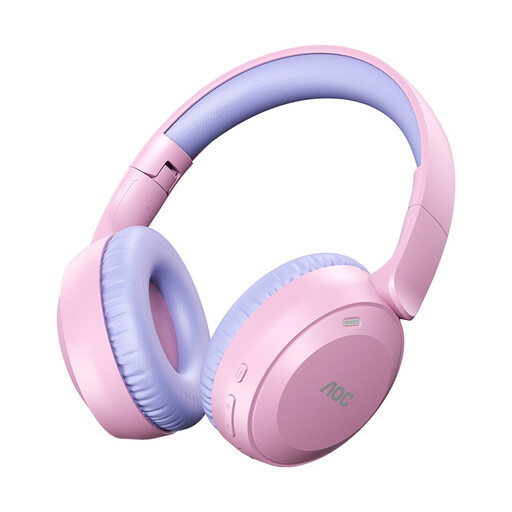
AOC ACH2611 Bluetooth 6.0 over-ear headphones
These wireless over-ear headphones may suit listening to a practice track; Bluetooth delay is something to consider for live voice monitoring.
The product name mentions a foldable design, a weight of 182 g and up to 75 hours of playback.
View at Joybuy
 No image available
Acer OHR548 Bluetooth 5.4 in-ear headphones
The compact in-ear design may suit a small travel kit; check that wireless listening is right for your practice needs and equipment.
The product name mentions Bluetooth 5.4 and a charging case with a Type-C connection. Bluetooth can cause delays when monitoring your voice live.
View at Joybuy
 No image available
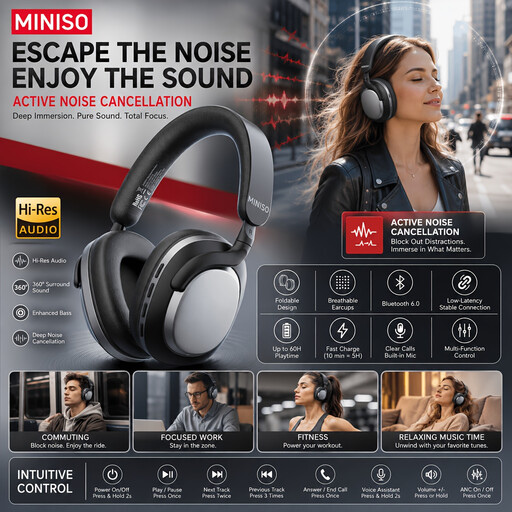
MINISO MG210 wireless over-ear headphones, Black
These wireless over-ear headphones are an option for listening to a practice track; check the connection before considering them for voice monitoring.
The product name mentions noise cancelling and a 24-hour battery life. The fit and how they perform in your surroundings are also worth considering.
View at Joybuy
 No image available
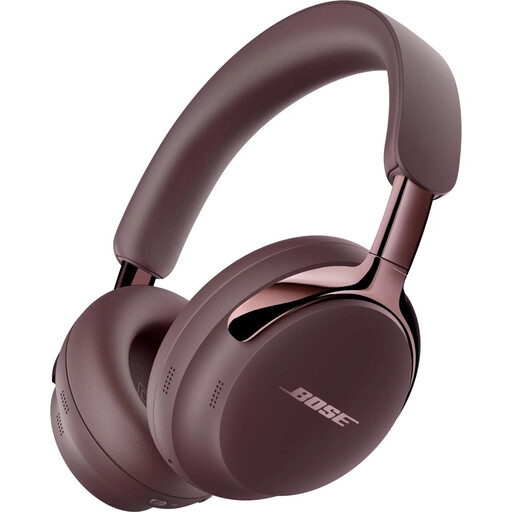
Bose QuietComfort Ultra Headphones (2nd Gen), Cherry Chocolate
The wired listening option mentioned may be useful for a practice track; check that the cable works with your equipment’s output and monitoring route.
The product information lists Bluetooth, a detachable cable with USB-C and 3.5mm connections, and active noise cancelling. Bluetooth can cause delays when monitoring your voice live.
View at Joybuy
Frequently asked questions
Do I only need headphones to hear my own singing?
No. Your setup also needs to route the microphone signal and backing track to a headphone output. With a suitable interface, direct monitoring can send the input signal straight to your headphones. Turn off software monitoring if it would otherwise play the same signal twice.
How can I practise without putting unnecessary strain on my hearing?
Start at a low volume, choose headphones that fit well and take listening breaks. The World Health Organization notes that both sound level and exposure time matter; the volume setting alone doesn’t tell you the sound level at your ear.
What can I do if the cushions or in-ear tips wear out?
Check which parts can be replaced for each model. Sennheiser lists replaceable ear cushions for the HD 280 PRO; Shure lists different ear tips and a replaceable cable for the SE215.
What are my rights when buying online in the Netherlands?
Online purchases generally come with a 14-day cooling-off period after delivery, subject to exceptions. ACM ConsuWijzer explains this cooling-off period; check which conditions apply to your product. The statutory guarantee also applies if, under normal use, a product doesn’t do what you could reasonably expect; the seller is your point of contact for this.
Can I sing where others can hear me at any campsite in the Netherlands if I’m wearing headphones?
Don’t assume so: headphones won’t stop people around you from hearing you sing. According to ANWB, the rules for your stay are set out in the specific campsite’s terms and agreement; check them before practising where others can hear you.


