If you want to hear your own singing alongside the backing track, choose wired studio headphones that are compatible with your equipment, and check whether your audio interface offers direct monitoring. Focusrite describes this feature as part of the signal path, so headphones alone won’t provide latency-free monitoring. If you want to keep listening while lying down after practising, compare sleep earbuds with a soft listening headband for fit and playback options, without assuming they’re also suitable for voice monitoring.
Who might find this choice relevant?
Singer who wants to monitor their own voice
If you’re practising a second vocal part with a backing track, you’ll want to hear both at the same time. The connection and monitoring path matter here; Focusrite describes direct monitoring, while Audio-Technica specifies a wired studio model.
Side sleeper who wants to keep listening
If you want to play audio while lying down after practising, you’ll need to weigh pressure on your ear or ear canal against the convenience of wireless listening. soundcore and AcousticSheep describe different sleep-listening options, but fit is a personal matter.
Practising in a shared home
If you practise late with housemates nearby, you’ll want to hear the backing track without turning your own volume up unnecessarily. The World Health Organization identifies volume, listening duration and frequency of exposure as factors in safe listening.
What should you look for when choosing?
Wired studio headphones
When to choose them: if you want to hear your own singing alongside the backing track before bed, using a suitable microphone and monitoring setup.
What to consider: check the plug, any adapter you might need and your equipment’s monitoring function. The cable and earcups are less practical if you then want to lie on your side.
Wireless sleep earbuds
When to choose them: if you mainly want to play backing tracks and listen while lying down.
What to consider: check the fit and available listening modes. Wearing them for a long time may cause pressure or irritation, and some models aren’t designed for voice monitoring.
Wireless listening headband
When to choose it: if you want to listen to audio while lying down without wearing a speaker in your ear canal.
What to consider: check the size, speaker positions and Bluetooth playback options. A headband alone doesn’t guarantee suitability for voice monitoring or comfort while sleeping.
| What matters |
What should you check? |
Who is this important for? |
| Hearing your own voice alongside the backing track |
Check the headphone socket, any adapter you might need, and whether your recording equipment supports direct monitoring of the microphone and backing track. |
When I practise a second vocal part, I want to hear my voice at the same time as the backing track. Around 30% of consumers put voice monitoring first. |
| Comfort when lying down |
Check how the fit feels when you’re on your side, what sizes are available and where the earbuds or speakers sit. Also check whether you can play the backing track you want via Bluetooth. |
After practising, I want to keep listening while lying down without uncomfortable pressure on my ear. Around 30% of consumers give comfort when lying down top priority. |
| Avoiding unnecessary disturbance to housemates |
Check how well the headphones fit, then try listening at a modest volume at home to see how much of the backing track can be heard outside the room. |
When I practise late in a shared home, I want to be considerate of my housemates without constantly turning the volume up. Around 20% of consumers put their living situation first. |
| Keeping volume under control and maintenance |
Check the volume controls, cleaning and care instructions, and whether you can still hear important sounds such as an alarm. |
I want to keep my listening volume under control and know how to care for the earbuds or cushions. Around 20% of consumers give safe, easy-to-maintain use top priority. |
Common pitfalls
-
Assuming wireless listening automatically gives you direct voice monitoring
Direct monitoring depends on the signal path from the microphone and audio interface to the headphones. A wireless playback connection alone doesn’t tell you whether you’ll hear your own voice back without distracting latency.
Before buying, map out the complete signal path: backing track, microphone, interface, monitoring and headphone connection. Also check that your equipment has the function you need.
-
Assuming comfort when sitting means comfort when sleeping on your side
A pillow can put pressure on earbuds, and wearing them for a long time may also cause irritation. So a fit that feels comfortable when you’re sitting up doesn’t necessarily mean it’ll be comfortable when you lie down.
Assess comfort when lying down separately from sound quality. Check which sizes are available, and compare an in-ear model with a listening headband if you’d rather not wear anything in your ear canal.
-
Confusing a listed call feature with a working microphone
The Joybuy product description for the Sleep A20 mentions calls, while soundcore says that this model doesn’t have a microphone for calls.
Don’t buy the Sleep A20 based on a call feature; check the specifications for the exact version with the manufacturer.
Brands to consider for this use case
These brands are relevant to the listening options described here. Their inclusion isn’t an endorsement of the brand as a whole, and says nothing about availability.
Audio-Technica
The wired ATH-M40x is a closed-back studio model for anyone who wants to monitor their own singing while sitting down, using a suitable setup.
- Audio-Technica specifies a detachable cable, swivelling earcups and a closed-back design.
- These features don’t confirm that the headphones are comfortable to lie down in, or that they support direct monitoring without suitable external equipment.
Sennheiser
The wired, closed-back HD 280 PRO is an option to consider for monitoring while practising.
- Sennheiser lists replaceable ear pads, a coiled cable and a 3.5mm plug with a 6.3mm adapter.
- The stated attenuation doesn’t predict how the headphones will fit every head, and the earcups aren’t practical for lying on.
Sony
The MDR-7506 is a wired alternative for anyone who finishes practising before lying down.
- Sony describes it as a foldable model for recording environments.
- Check the connection and specification of the version you choose. Sony’s description of it as suitable for studio use isn’t an independent comparison with other options.
soundcore
The Sleep A20 is designed for listening while lying down via Bluetooth, not for monitoring your voice through headphones.
- According to soundcore, it comes with different sizes of ear tips and ear wings, as well as separate sleep and Bluetooth modes.
- soundcore says the Sleep A20 doesn’t have a microphone for calls. Fit and comfort in the ear canal are a personal matter.
AcousticSheep
SleepPhones Wireless is a listening headband for anyone who wants to play audio while lying down without in-ear headphones.
- AcousticSheep lists adjustable, slim speakers, a washable headband and Bluetooth pairing.
- The manufacturer’s specifications don’t confirm voice monitoring, noise isolation or comfort for every sleeper.
Joybuy products for listening to backing tracks
These product options are for playing backing tracks while practising. Check separately whether your equipment also supports direct monitoring of your own voice.
 No image available
Sennheiser MOMENTUM 4 Wireless, Black
An option if you want to play backing tracks via Bluetooth or the supplied 3.5mm cable.
The product name lists noise cancelling, 60-hour battery life, fast charging and four microphones.
View at Joybuy
 No image available
Bose QuietComfort Ultra Bluetooth Headphones, Black
An option if you want to play backing tracks via Bluetooth or an audio cable.
The product name lists Bluetooth and a black finish.
View at Joybuy
 No image available
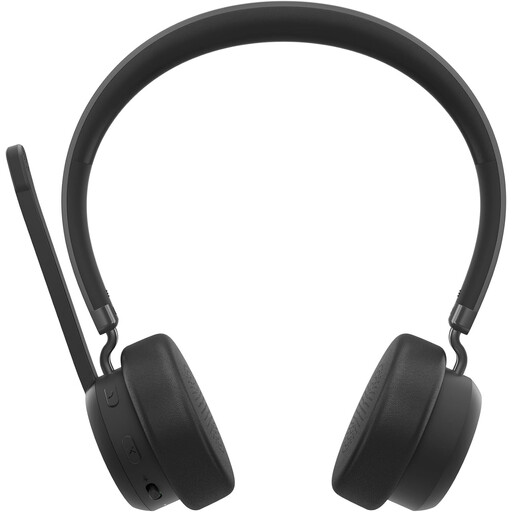
Lenovo 4XD1Q30302 Wireless Head-band
An option if you want to play backing tracks wirelessly; the product information lists Bluetooth for music.
The product name describes wireless headband headphones for calls and music.
View at Joybuy
 No image available
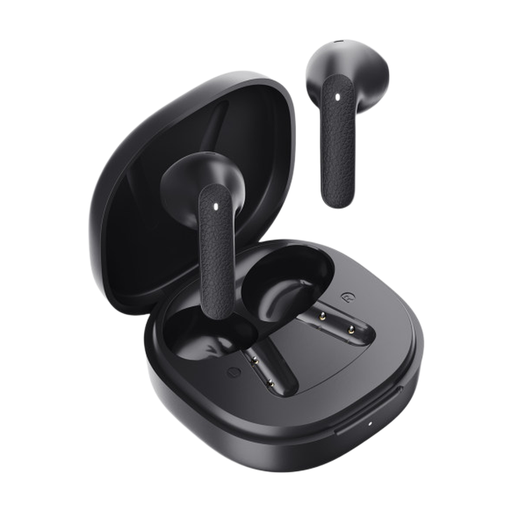
QCY Air-Grey
An option if you want to play backing tracks via Bluetooth from an Android or iOS device.
The product name lists the Air-Grey version.
View at Joybuy
 No image available
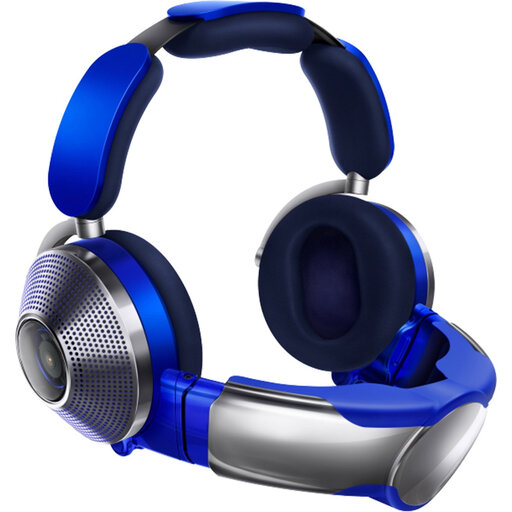
Dyson Zone OE Headphones, Ultra Blue/Prussian Blue
An option if you want to play backing tracks wirelessly; Bluetooth connectivity is listed.
The product name lists noise cancelling and the Ultra Blue/Prussian Blue colour option.
View at Joybuy
Frequently asked questions
Can I hear my singing without distracting latency just by getting new headphones?
Not necessarily. Focusrite describes direct monitoring as a signal path from the input of a suitable audio interface to the headphone output. So check your microphone, interface and settings too; headphones alone won’t provide that signal path.
What should I check before falling asleep wearing earbuds?
Check that the fit doesn’t cause pressure or irritation when you’re lying on your side, keep your ears and earbuds clean, and avoid playing audio loudly for long periods. Also consider whether you need to be able to hear an alarm. The Cleveland Clinic describes pressure and irritation as potential concerns when sleeping with earbuds; this doesn’t guarantee that any particular model will be comfortable for you.
What warranty applies when buying in the Netherlands?
You’re entitled to a product that works as it should, and you can contact the retailer if there’s a fault. According to the Dutch government, there’s no fixed statutory warranty period for all products; what you can expect depends, among other things, on the product and the information provided.
Which marking should I check on wireless headphones?
Check for the CE marking and read the instructions. According to the Dutch Authority for Digital Infrastructure, the manufacturer applies the marking when the radio equipment meets the applicable requirements. The marking alone says nothing about fit or listening comfort.
Can I return headphones bought online if they don’t feel comfortable?
For a distance purchase from a professional seller, Your Europe says you generally have a 14-day cooling-off period from delivery. There are exceptions, so check the terms that apply to your specific purchase before breaking any seal, especially for in-ear headphones.


