
The singer who moves around
Mainly sings along to a backing track and doesn’t want to be tethered to an audio cable while doing the housework.


If you mainly listen to a backing track while moving around the house, wireless headphones with a wired fallback are a practical choice; Audio-Technica lists this combination for the ATH-M50xBT2. If you want to hear your own voice through a microphone alongside the backing track, choose wired headphones that suit your audio interface’s monitor output. Focusrite describes direct monitoring as routing the input signal straight to the headphone output. The WHO advises keeping the volume in check; closed-back or noise-cancelling headphones can also make background sounds less audible.
Mainly sings along to a backing track and doesn’t want to be tethered to an audio cable while doing the housework.
Wants to hear their own voice through a microphone alongside the backing track, so needs to consider the entire monitoring setup, not just the headphones.
Wants to hear the backing track over background noise, but needs to consider how much of their surroundings should remain audible.
Suitable if: you mainly listen to a backing track or reference track and want freedom to move.
Trade-off: Bluetooth and a stated low-latency mode do not prove that you can monitor your own live singing without delay.
Suitable if: you use a microphone and an audio interface with direct monitoring, and want to hear your own voice alongside the backing track.
Trade-off: the cable limits how freely you can move; your interface’s connections and monitoring features need to suit your setup.
Suitable if: hearing the backing track clearly in a noisy room matters more than being able to move around freely.
Trade-off: isolation can also make important household sounds less audible; your experience will depend on the fit and the room’s acoustics.
| What to consider | What to look for | Who this matters to |
|---|---|---|
| Freedom to move | Check Bluetooth support, fit while moving, battery life and whether there’s a wired fallback option. | If I’m moving around the house and don’t want to trail a cable, I prioritise freedom to move. Around 36% of consumers have this as their main need. |
| Direct vocal monitoring | Check that your microphone runs through a suitable interface, that it offers direct monitoring, and how the voice and backing track reach the headphone output. | If I want to hear my own voice through a microphone alongside the backing track, the whole signal path needs to work. Around 29% of consumers prioritise direct vocal monitoring. |
| Background noise | Consider the headphones’ isolation and fit, and take into account any sounds you need to hear while doing the housework. | If background noise makes the backing track difficult to hear, I look for a balance between isolation and awareness of my surroundings. Around 21% of consumers prioritise being able to hear clearly at home. |
| Fit and maintenance | Try the headphones while making the movements you’d normally make, and check whether the ear pads or cable can be replaced on the exact model. | For longer practice sessions, I want headphones that stay comfortable and have parts that can be maintained. Around 14% of consumers prioritise fit and maintenance. |
A low-latency mode isn’t the same as sending a microphone signal straight to your headphones.
Before buying, decide whether you’ll only be playing a reference track or whether you also want to hear your own voice through a microphone. For direct monitoring, Focusrite describes a suitable interface as part of the signal path.
Isolation can reduce background noise, but it may also make sounds around you less audible.
Consider the fit and keep the volume at a level that lets you notice important sounds around the house while doing your chosen task.
According to beyerdynamic, the DT 770 PRO X has a detachable mini-XLR cable. Don’t confuse it with the classic DT 770 PRO, which has a fixed cable.
Check the full model name and cable specification of the version you’re considering.
The ATH-M50xBT2 offers a wireless listening option with a cable included; the ATH-M50x is a separate wired model.
The closed-back DT 770 PRO X is a wired option for a monitoring setup.
The closed-back HD 280 PRO is a wired option for monitoring.
The MDR-7506 is a wired reference headphone for recording and studio use.
The SRH840A is a closed-back, wired studio headphone.
These Joybuy products are wireless options for playing a backing track while you move around. They don’t automatically replace a wired direct-monitoring setup for hearing your own singing.
 No image available
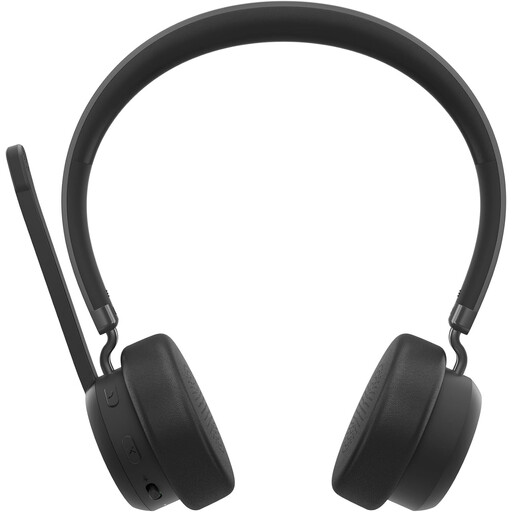
An option for listening to a backing track wirelessly while you move around.
Bluetooth; over-ear design; foldable microphone for calls.
 No image available
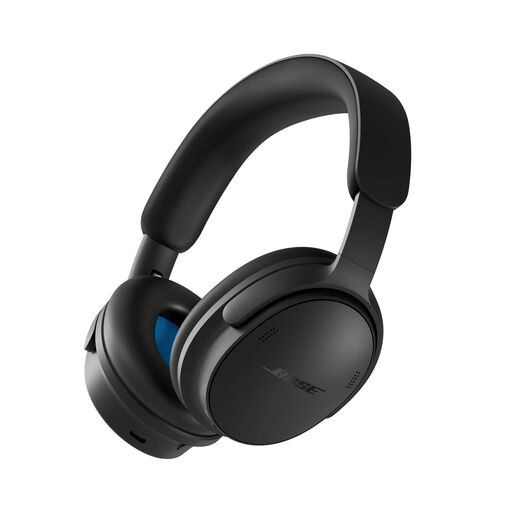
A wireless option for listening to a backing track as you move around, with a wired listening option too.
Bluetooth; included 3.5 mm audio cable; Transparency Mode; up to 60 hours of battery life.
 No image available
A wireless option for listening to a backing track while you move around; consider which sounds around the house you still need to hear.
Bluetooth; noise cancellation; Aware Mode; audio cable.
 No image available
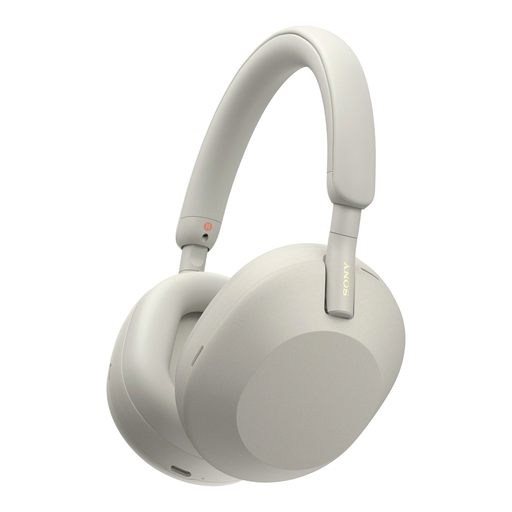
An option for wireless listening to a backing track when you also want to reduce background noise.
Wireless; active noise cancellation; stated battery life of 24 hours. Noise cancellation can also make household sounds less audible.
 No image available
A wireless option for playing a backing track as you move around; weigh up noise cancellation against being able to hear sounds around the house.
Bluetooth; noise cancellation; Speak-to-Chat.
Don’t assume you can. Audio-Technica describes the ATH-M50xBT2 microphones as being for calls. For direct vocal monitoring, Focusrite describes using a suitable interface to route the input signal to the headphone output. Check the entire signal path before choosing your headphones.
With the interfaces described by Focusrite, you can enable direct monitoring and mute software monitoring of the recording track; you’ll then hear the software backing track alongside the input signal. Refer to the manual for your specific interface.
Keep the volume low and pay attention to how long you listen, too. The WHO gives the example of a maximum of 40 hours per week at an average of 80 dB, compared with four hours per week at 90 dB. This advice doesn’t guarantee that a particular volume setting on your device is safe.
For online purchases in the Netherlands, ACM ConsuWijzer says you generally have a statutory cooling-off period of up to 14 days after delivery, with some exceptions. If a product doesn’t meet what you could reasonably expect when used normally, you also have statutory rights against the seller. For example, they may resolve the issue free of charge by repairing or replacing the product, or giving you a refund.