
Singer practising a quieter part
Wants to pick out a recorded upper or lower vocal part from a practice track and switch between that part and the other voices. According to Susan Anders, some tracks offer the vocal parts separately.


Choose closed-back headphones if you want to follow a quieter harmony part more clearly, an open-ear model if staying connected to your surroundings is your priority, or a wired model if you don't want to rely on a headphone battery. According to Susan Anders, some practice tracks have separately mixed vocal parts, so first check whether your track offers the part on its own. Also try singing with the headphones on to see how well you can hear your own voice, and check the campsite rules: wearing headphones doesn't make your singing quiet for others.
Wants to pick out a recorded upper or lower vocal part from a practice track and switch between that part and the other voices. According to Susan Anders, some tracks offer the vocal parts separately.
Practises around other campers and wants to keep hearing their surroundings and their own voice. An open-ear design involves a different trade-off from sound isolation; also check your campsite's rules.
Wants to keep practising for longer periods, so compares wired listening with the stated battery life of wireless models.
Suitable if: you want to follow a quieter part and hear others in between. Sony describes the WH-CH720N as having a closed-back design and an ambient sound mode.
Trade-off: isolation can change how you hear your own voice; try the mode while singing.
Suitable if: staying approachable and connected to your surroundings matters more than sound isolation. Shokz describes the OpenRun as an open-ear model.
Trade-off: you'll still hear ambient noise; try it to see whether you can follow a quieter harmony part where you plan to use it.
Suitable if: your playback device has a compatible audio output and you want to listen without relying on a headphone battery. Audio-Technica lists the ATH-M20x as having a fixed 3-metre cable with a 3.5mm plug and 6.3mm adapter.
Trade-off: the cable limits your freedom of movement; also check that you can hear yourself clearly enough.
Suitable if: easy packing and switching between listening and talking to others are important. JBL lists Ambient Aware and TalkThru for the Tune 770NC.
Trade-off: JBL states a maximum of 70 hours with Bluetooth on and noise cancelling off; this maximum doesn't apply to every setting.
| Consideration | What to look for | Who it's mainly for |
|---|---|---|
| Following the right vocal part | Check whether the practice track offers the part separately and test the channel balance on your playback device. | I want to follow a recorded upper or lower vocal part and switch between it and the full mix. Consumers with this as their main priority make up around 36% here. |
| Hearing your own voice and surroundings | Compare an open design with an ambient sound mode, and try your chosen setting while singing along. | When I practise around other campers, I want to keep hearing myself and my surroundings. Consumers who prioritise this make up around 29% here. |
| Practising without mains power | Check the connection and cable length, or compare the stated battery life in the listening mode you want to use. | I don't want to rely on having somewhere to charge, so I look for a compatible wired connection or suitable battery life. Consumers with this priority make up around 21% here. |
| Packing and outdoor use | Consider how you can store the headphones and check the water-resistance rating for the exact model. | If I have limited luggage space or practise outdoors, I want a model that suits those conditions. Consumers who prioritise portability and outdoor use make up around 14% here. |
Headphones can't pick out a vocal part from a full mix by themselves. Susan Anders describes practice tracks with separately mixed parts.
Before buying, check the track and the channel settings you'll actually be using.
Stated battery life can vary depending on the listening mode. Sony states up to 35 hours with noise cancelling on and 50 hours with it off for the WH-CH720N; JBL's maximum of 70 hours for the Tune 770NC applies with noise cancelling off.
Compare battery figures for the same listening mode and take your charging options into account.
Shokz describes the OpenRun as open-ear. This design doesn't block out ambient noise; the IP67 rating stated by Shokz refers to something other than sound isolation.
Try a quieter practice part with a similar level of background noise, without turning the volume up unnecessarily.
Headphones don't reduce the sound of your singing for other campers. Camping de Ruimte's site rules prohibit loud singing during the stated night-time quiet hours.
Check your own campsite's rules and practise at appropriate times and at a suitable volume.
The wired ATH-M20x is an option if you have a compatible audio output and would rather not use a headphone battery.
According to Sony, the WH-CH720N combines a closed-back design with noise cancelling, an ambient sound mode and a cable input.
The OpenRun is an open-ear alternative if staying connected to your surroundings matters more than sound isolation.
The foldable Tune 770NC is a wireless over-ear model with ways to hear ambient noise while listening.
This selection of Joybuy products focuses on over-ear headphones for practising harmony, with options for noise cancelling, ambient sound or wired listening. Check that the connections, listening modes and fit suit your practice track and campsite.
 No image available
An option to consider if you want to combine noise cancelling with a mode that lets you hear ambient noise while practising.
The product information lists an included 3.5mm audio cable and Transparency Mode. According to the product information, this model isn't water-resistant; keep it away from water and moisture.
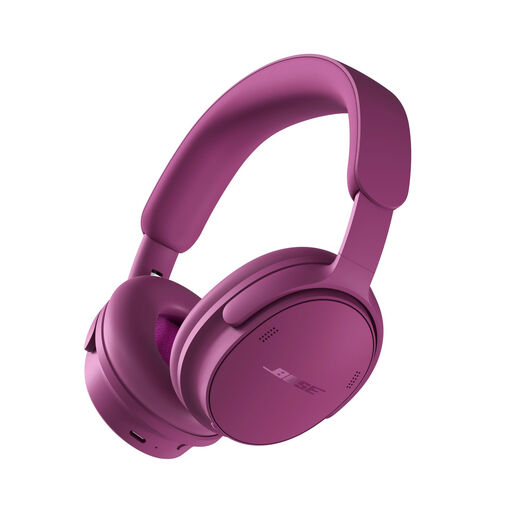 No image available
Could suit you if you want to switch between noise cancelling and a mode that lets you hear more of your surroundings while practising.
The product information lists several listening modes, including Aware Mode, and a foldable design.
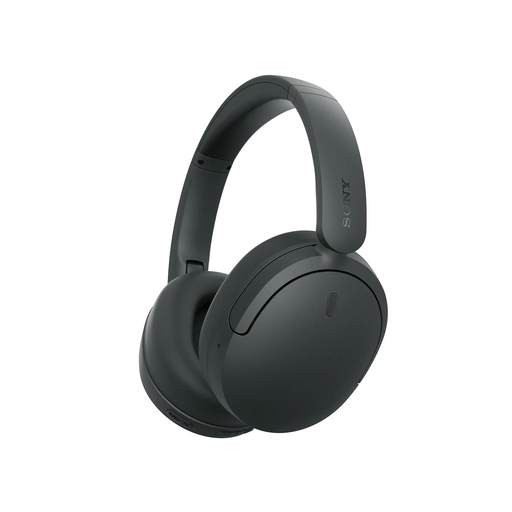 No image available
An option if you want to switch between noise cancelling, ambient sound and wired listening while practising.
The product information lists a detachable cable, passive wired use, Ambient Sound Mode and a foldable design. Keep the headphones away from liquids and moisture.
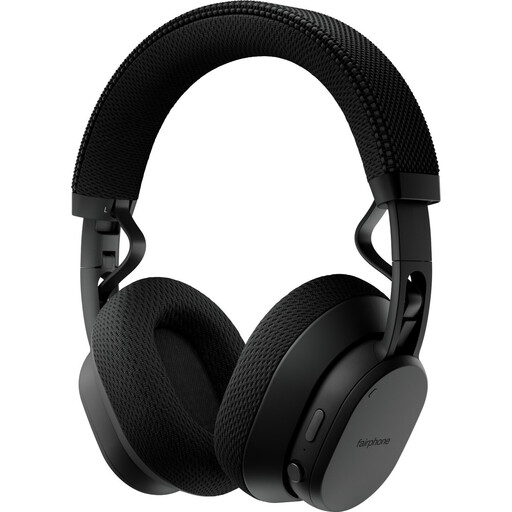 No image available
Could suit you if you want noise cancelling for a separately available practice part and the option to hear ambient noise in between.
The product information lists a closed-back design, hybrid noise cancelling and an Ambient Sound mode. The stated IP54 rating applies to the protection described; keep the model away from liquids beyond that rating.
 No image available
An option if you want to combine a closed-back design with noise cancelling and adjustable levels.
Sony states up to 35 hours with noise cancelling on and 50 hours with it off. The product information advises keeping the headphones away from water and moisture.
No. The practice track needs to offer the part separately, for example through channel balance or as a separate track. Check this on your playback device first; headphones can't pick out a part from the mix if it isn't provided separately.
Keep the volume low and take regular breaks. The World Health Organization gives a maximum of four hours a week at 90 dB as an example exposure limit; this isn't a measured figure for these headphone models.
Headphones don't make your own singing quiet. Check your campsite's rules: Camping de Ruimte's site rules prohibit loud singing during the stated quiet hours from 22.30 to 08.00. These times don't automatically apply at other campsites.
According to ACM ConsuWijzer, online purchases generally come with a statutory 14-day cooling-off period after delivery, with some exceptions. The seller must also put right a product that breaks sooner than you could reasonably expect with normal use; a manufacturer's guarantee isn't automatically the limit of your rights.
The Dutch government says you can listen to music hands-free while driving, but you mustn't hold an electronic device. It advises keeping ambient noise audible, for example by keeping the volume low or using one earbud. This road-safety advice doesn't give you permission to disturb others at a campsite.