
Listeners who want to block out conversations
You follow spoken news lessons while others chat at the table. You want to hear the lesson clearly, so you’re looking for headphones that fit snugly around your ears.


Choose noise-cancelling over-ear headphones that create a good seal if conversations distract you during your news lesson and you don’t need to respond often. If you want to stay in touch, look for an ambient mode or open-ear earbuds; you’ll hear more of the sounds around the table, and others may hear your audio too. A good fit helps block out noise, but noise cancellation won’t automatically make changing voices disappear.
You follow spoken news lessons while others chat at the table. You want to hear the lesson clearly, so you’re looking for headphones that fit snugly around your ears.
You listen independently but chat with others from time to time, and don’t want to shut yourself off from the table completely.
You consider how comfortable the headphones or earbuds feel during a longer session, or you switch between devices such as a phone and laptop. Check the fit and connectivity features of the exact model.
VeiligheidNL highlights the importance of a good fit, while Bright points out that changing voices are harder to block out than constant noise. So, first decide how much contact you want to have with the people at the table during your lesson.
Best for: when conversations at the table distract you and you don’t need to respond often during your lesson.
Bear in mind: changing voices may still be audible; you may need an ambient mode to chat, or you’ll have to take the headphones off.
Best for: when a comfortable fit and switching between devices for your lessons matter more than active noise cancellation.
Bear in mind: compare how well they block out the sounds around your table and check which listening modes the exact model offers.
Best for: when you want to hear if someone at the table asks you something during your news lesson.
Bear in mind: you’ll still hear conversations while listening, and someone sitting next to you may hear your audio.
| Your concern | What to look for when buying | Who should pay extra attention? |
|---|---|---|
| Hearing the news lesson | Check how the headphones fit around your ears and whether the exact model has active noise cancellation. Also consider whether conversations in your room will still be audible. | If conversations at the table drown out my news lesson, I want to follow the spoken content without constantly turning up the volume. Around 36% of consumers prioritise being able to hear clearly over the sounds at the table. |
| Staying reachable | Check whether the model has an ambient mode or is easy to pause. With open-ear designs, also consider how much sound leaks at your usual listening volume. | I want to be able to respond during the lesson without repeatedly taking off my headphones. Around 29% of consumers prioritise staying reachable and being considerate of others at the table. |
| Comfort | Consider the fit of the headband, ear cushions or ear hooks, and how comfortable they feel during longer listening sessions. | I want the fit to stay comfortable during longer lessons. Around 21% of consumers prioritise comfort during study sessions. |
| Devices and battery life | Check that the exact model supports multipoint and compare battery life only using the same noise-cancelling mode. Also check whether an audio cable will fit your connection. | If I switch between devices for my lessons, I want to pick up listening easily and have enough battery life. Around 14% of consumers prioritise switching between devices and battery life. |
Changing voices are harder to block out than constant noise. You may still hear the lesson and be tempted to turn up the volume.
Start by checking the fit and how well the headphones block out noise in your own study setting. Keep the volume at a sensible level and consider whether an ambient mode would be useful for conversations.
An open design lets in the sounds around the table, and others may hear your audio. A claim of reduced sound leakage doesn’t mean nobody else will hear it.
Ask someone sitting next to you whether they can hear your lesson at your usual listening volume, and decide whether that’s suitable for a shared table.
Claimed battery life can differ depending on whether noise cancellation is on or off. Sony Nederland states that the WH-CH720N offers up to 35 hours with noise cancellation on and 50 hours with it off.
Compare figures for the same mode and check whether a charging or audio cable is included with the version you’re buying.
A manufacturer’s warranty period doesn’t automatically limit your statutory rights in the Netherlands. If a product breaks sooner than you could reasonably expect during normal use, the retailer must offer an appropriate free solution.
Consider the cooling-off period for a distance purchase separately from your rights if a product is faulty. ACM ConsuWijzer has information on both.
The WH-CH720N is an example of closed-back, wireless over-ear headphones with noise cancellation, an ambient mode and multipoint connectivity.
According to JBL, the Tune 770NC combines an over-ear design with active noise cancellation, Smart Ambient and connectivity to two Bluetooth devices.
The OpenFit Air is an example of an open-ear option for anyone who wants to stay in touch with others at the table during a news lesson.
The SoundForm Surround is an over-ear option for anyone looking for adjustability, multipoint connectivity and the choice of a wireless or wired connection.
The Space One is an over-ear option with adaptive noise cancellation and adjustable transparency.
A selection of Joybuy products for wireless listening at a shared study table. Compare each model’s fit, listening modes and the features you need for your lessons.
 No image available
Wireless over-ear headphones with noise cancellation for anyone who wants to block out conversations during a news lesson; changing voices won’t disappear on their own.
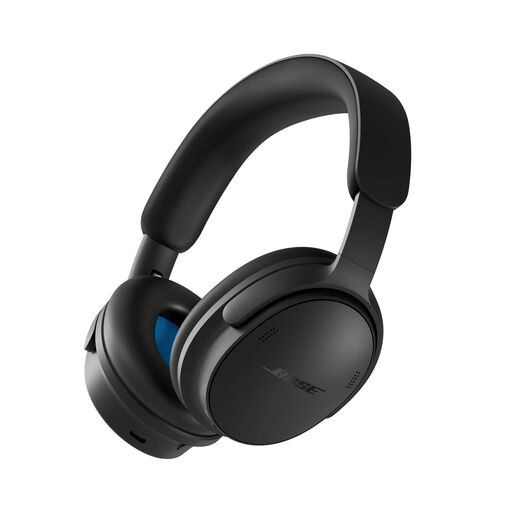 No image available
For anyone who wants to block out sounds at the table and then hear more of their surroundings again. Check the controls and fit of the exact model for your own study setting.
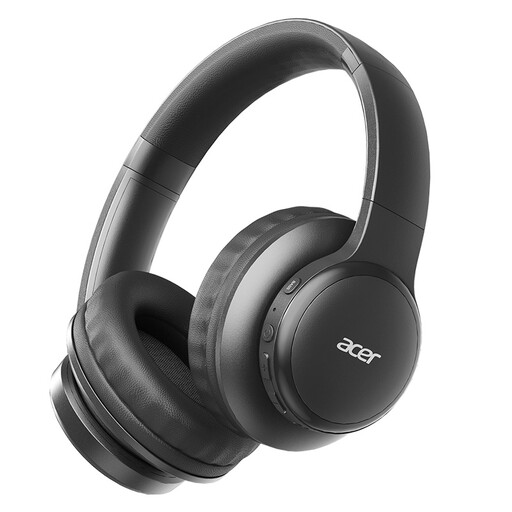 No image available
A wireless option for listening to news lessons. Check that the fit and features suit the sounds around your table and the devices you listen on.
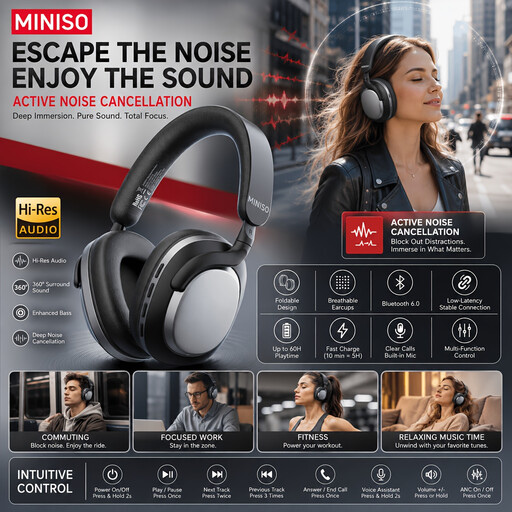 No image available
An over-ear option for anyone who wants to block out conversations during a news lesson. Check the fit and bear in mind that noise cancellation won’t automatically block out changing voices.
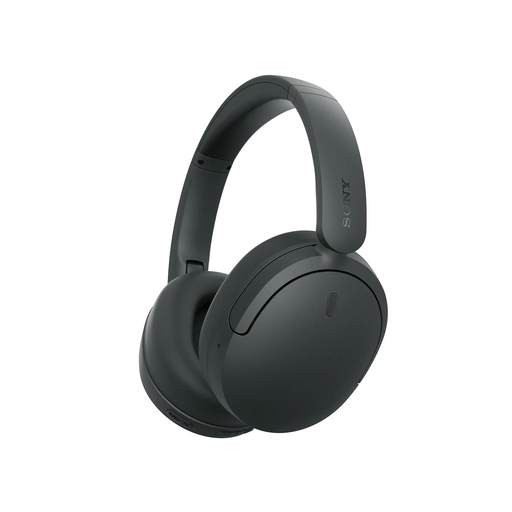 No image available
For anyone who wants to block out sounds at the table while listening, then hear more of their surroundings again between lessons. Check the available modes and controls for the exact version.
Don’t count on it. Changing speech is harder to block out than constant background noise, so a good seal around your ears is still important. Try the headphones in your own room without turning the lesson volume up unnecessarily.
First check whether the exact model supports multipoint, then pair both devices following the model’s instructions. Sony Nederland lists two simultaneously connected Bluetooth devices for the WH-CH720N; Belkin lists this feature for the SoundForm Surround. Test which source takes priority before starting a lesson.
Keep the volume as low as possible while still being able to follow the lesson, and limit prolonged exposure to loud sounds. The World Health Organization gives 80 dB for up to 40 hours a week as a reference for adults; this doesn’t prove that a particular volume setting on your device produces 80 dB. A good seal can help you avoid turning the volume up too high to compensate for background noise.
ACM ConsuWijzer states that online purchases have a cooling-off period of up to 14 days after delivery, with some exceptions; the seal on hygiene products may be relevant. This is separate from your statutory rights: if a product breaks sooner than you could reasonably expect during normal use, the retailer must offer an appropriate free solution.