
Watching beside a sleeping roommate
You want to hear speech and nature sounds without disturbing the room unnecessarily. Consider the fit, potential sound leakage and your TV’s audio output.


For a fixed TV, headphones with a transmitter are suitable if your TV has a compatible optical or analogue output. Bluetooth may be more convenient if you watch on several devices, while wired listening works if there’s a suitable headphone socket. Sennheiser lists optical and analogue connections for the RS 175-U, but Sony warns that Bluetooth can cause delays when watching video, so test the synchronisation with your own source. Also check the fit and how much sound leaks into the room: noise cancelling mainly reduces the ambient noise you hear, and doesn’t indicate how much your roommate will hear.
You want to hear speech and nature sounds without disturbing the room unnecessarily. Consider the fit, potential sound leakage and your TV’s audio output.
You want to avoid voices lagging behind the picture. Check your TV’s connections and sound settings before choosing wired listening, Bluetooth or a transmitter.
You want to watch without a dedicated TV transmitter and wear your headphones comfortably throughout a full documentary. Check whether your device supports Bluetooth or the connection used by a cable, if you plan to use one.
Suitable if: you watch on a fixed TV and it has an output compatible with the transmitter. Sennheiser lists optical and analogue connections for the RS 175-U.
Keep in mind: the transmitter takes up space, and your TV needs a compatible connection and sound setting.
Suitable if: you also want to watch on a tablet or another device that supports Bluetooth audio.
Keep in mind: Bluetooth audio can lag when watching video. Noise cancelling reduces the sound you hear, but doesn’t indicate how much sound leaks into the room.
Suitable if: your viewing device has a compatible headphone socket and you don’t mind using a cable.
Keep in mind: check the cable length, plug type and where the cable will run beside the bed. A standard headphone plug won’t connect directly to an optical-only output.
| What to consider | What to look for when buying | Who should pay particular attention? |
|---|---|---|
| Sound reaching your roommate | Test for sound leakage at your usual listening volume and check whether the TV speakers can be switched off. | I want to watch beside someone without them hearing the documentary, so I pay attention to how much sound leaks from the ear cups. Around 33% of consumers say limiting sound reaching their roommate is their top priority. |
| Connection and synchronisation | Check your source’s audio output and settings. If using Bluetooth, test a scene with dialogue and picture. | If the voices and picture need to stay in sync, I want to know in advance which connections my TV or tablet supports. Around 27% of consumers put connection and synchronisation first. |
| Comfort while watching | Check how the ear cushions and headband feel in your usual viewing position; weight alone doesn’t determine personal comfort. | I don’t want distracting pressure on my ears or head while watching a full documentary. Around 20% of consumers say wearing comfort is their top priority. |
| Clear speech | Try your source’s speech or equaliser settings, if available, and assess voices at a comfortable volume. | I want to hear the narrator clearly without turning the volume up unnecessarily, even when nature sounds are louder. Around 20% of consumers prioritise clear speech. |
Noise cancelling is designed to reduce ambient noise heard by the wearer. It doesn’t tell you how much sound a roommate will hear from the headphones.
Check for sound leakage at your usual viewing volume and switch off the TV speakers when listening through your headphones.
The Sennheiser RS 175-U works with a compatible optical or analogue output. Your TV’s or receiver’s available connections and settings determine which option will work.
Check your TV’s or receiver’s connections before choosing a transmitter system.
Bluetooth audio can lag behind the picture when watching video, which is particularly noticeable during scenes with dialogue.
Test a conversation scene on your own device. Check for any audio delay settings or try a suitable wired connection.
The RS 175-U is a TV-focused system with its own transmitter, designed for a fixed viewing spot and a TV or receiver with a compatible output.
The WH-CH720N is a closed-back Bluetooth over-ear model with a cable option for use with different devices.
The Tune 720BT is a wireless over-ear headphone with an audio cable included for wired listening.
The TAH5800BK/00 is a wireless over-ear headphone that Philips says also offers a wired option.
This Joybuy selection includes wireless Bluetooth headphones and models that are also listed with a wired connection. Check that the connection is compatible with the TV, tablet or laptop you watch on.
 No image available
An option if you want to listen wirelessly but also have the option of a wired connection.
Product information lists Bluetooth, noise cancelling and an included 3.5 mm audio cable. The stated maximum playback time is 60 hours.
 No image available
An option for listening via Bluetooth or a compatible wired connection.
Product information lists noise cancelling and an audio cable, with 2.5 mm and 3.5 mm connections. The stated maximum battery life is 24 hours.
 No image available
An option if you want to use Bluetooth but also have the option of wired listening.
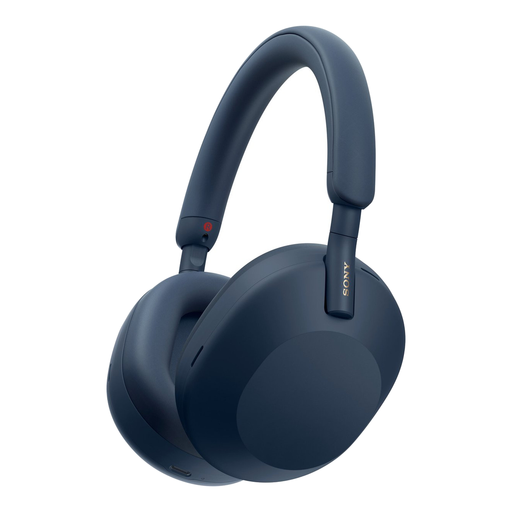
Product information lists noise cancelling and a 3.5 mm connection. The stated maximum battery life with noise cancelling on is 30 hours; the stated weight is 250 g.
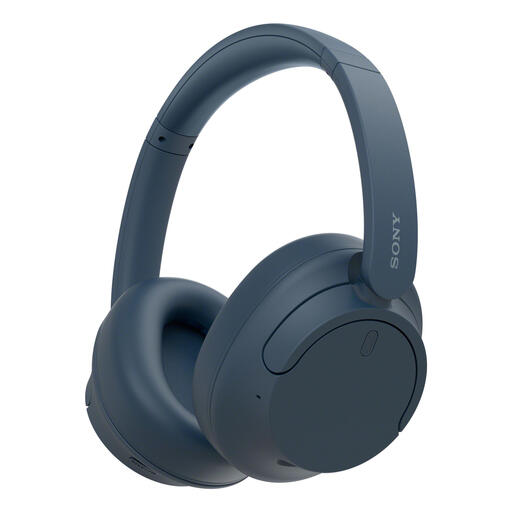 No image available
A Bluetooth over-ear model for anyone who also wants to consider the stated weight and listening time.
Sony specifies an approximate weight of 192 g and up to 35 hours of playback with noise cancelling on, or 50 hours with it off. Bluetooth can cause delays when watching video, so test the synchronisation with your own source.
 No image available
An option for watching video via Bluetooth or using the listed wired cable.
Product information lists Bluetooth 5.4, Cinema Mode and a detachable cable with USB-C and 3.5 mm connections. A charger isn’t included and PD fast charging isn’t supported. The information notes that the headphones contain magnets and advises anyone with a medical implant to seek medical advice first.
First, check your TV’s or receiver’s audio output. Sennheiser says the RS 175-U transmitter can be connected via optical digital or analogue audio, and that the necessary cables are included. Then select the appropriate sound output on your TV; menus vary by model.
Start by testing your source and headphones together. Sony says Bluetooth audio can lag when watching video; some TVs have a setting to adjust the delay between picture and sound. If adjusting it doesn’t help, a suitable wired connection could be an alternative.
Keep the volume at a moderate level and take breaks. In information dated 6 March 2026, the World Health Organization gives an average exposure of 80 dB for up to 40 hours per week as an example for adults; this isn’t a guaranteed sound level for any specific headphones. A good fit can help make ambient noise less distracting.