
Listening beside someone who’s asleep
You want to follow conversations while keeping the sound your roommate can hear to a minimum. Things to consider include a closed-back design, a good fit and a modest listening volume.


Start with closed-back headphones or well-fitting in-ear earphones, then check at your usual listening volume whether your roommate can hear the conversation. Wired listening avoids the need to charge or pair your headphones, while wireless gives you more freedom to move around. If you’ll be using them with a TV, check that the connection is compatible. Noise cancellation reduces sound for the listener, but it doesn’t guarantee that sound won’t leak out.
You want to follow conversations while keeping the sound your roommate can hear to a minimum. Things to consider include a closed-back design, a good fit and a modest listening volume.
You listen to a whole discussion and want to avoid pressure from earcups or earbuds. You’ll need to balance wearing comfort with the level of isolation you want.
You want to get started without connection problems. The source’s output, the cable or the Bluetooth pairing all help determine which option is right for you.
A good fit if: you’re listening from a device with a compatible audio output and don’t want a battery to charge or Bluetooth to pair. Audio-Technica lists the ATH-M20x as having a closed-back design and a fixed 3-metre cable with a 3.5mm plug.
Bear in mind: check the connection and whether the cable will be practical to use. You’ll need to assess the fit and sound leakage at your usual listening volume.
A good fit if: freedom to move around or switching between devices matters to you. The Sony WH-CH720N and JBL Tune 770NC are examples with Bluetooth and ambient sound features.
Bear in mind: you’ll need to charge and pair them. Sony cautions that noise cancellation may not reduce changing voices as effectively.
A good fit if: large earcups are uncomfortable against a pillow and you find in-ear earphones comfortable. The Dutch Consumers’ Association explains that silicone tips seal the ear canal.
Bear in mind: fit and comfort vary from ear to ear, so try them in your usual listening position.
A good fit if: you specifically want an open-back design or a particular TV connection, and sound leakage won’t be a problem for your roommate.
Bear in mind: Philips lists the SHD8850/12 as having an open back. Check sound leakage and TV compatibility separately.
| What to consider | What should you check? | Who is this important for? |
|---|---|---|
| Sound leakage | Look for a closed-back design or well-fitting in-ear tips, then listen at your usual volume to see whether someone else can hear the sound. Don’t use ANC as a measure of how much sound leaks out. | If someone sleeps beside you, you’ll want to avoid them hearing the conversation. Around 36% of consumers put minimal sound leakage at the top of their list when buying. |
| Speech clarity | Try spoken audio from your own source, and pay attention to the fit, volume and listening time. | Want to follow conversations clearly without turning the volume up unnecessarily? Around 29% of consumers prioritise clear speech at a modest volume. |
| Comfort when lying down | Try the design in your usual listening position and check that it stays comfortable for the whole discussion. | If you listen in bed, an earcup or earbud pressing against your pillow may become uncomfortable. Around 21% of consumers put wearing comfort first. |
| Connection and use | Check your source’s audio output and the plug or Bluetooth connection you need. If you’re listening with a cable, check its length too. | If you want to get started without connection problems, compatibility with your main device is crucial. Around 14% of consumers prioritise compatibility with their source. |
Noise cancellation is designed to reduce background noise for the wearer. That doesn’t prove that someone sitting beside you won’t hear the conversation.
Check the fit and sound leakage at your usual listening volume, and look for a closed-back design too.
Philips says the SHD8850/12 has an open back. The label ‘TV headphones’ on its own tells you nothing about how much sound your roommate will hear.
Check sound leakage separately and make sure the connection is compatible with your TV.
JBL’s stated maximum of 70 hours for the Tune 770NC is with Bluetooth on and ANC off. That figure doesn’t automatically apply when ANC is on.
Compare battery life only under the same settings, and consider speech clarity and fit as well.
The ATH-M20x is a wired, closed-back over-ear option for a source with a compatible connection.
The WH-CH720N is a closed-back wireless over-ear model with noise cancellation and adjustable ambient sound features.
The Tune 770NC is a wireless over-ear model with multipoint and Smart Ambient.
The SHD8850/12 is an example of dedicated wireless TV headphones.
The HD 560S is a wired pair of open-back headphones.
These products are suited to consumers looking for in-ear earphones or headphones for conversations in a shared bedroom. Check the fit, potential sound leakage and compatibility with your playback device for yourself.
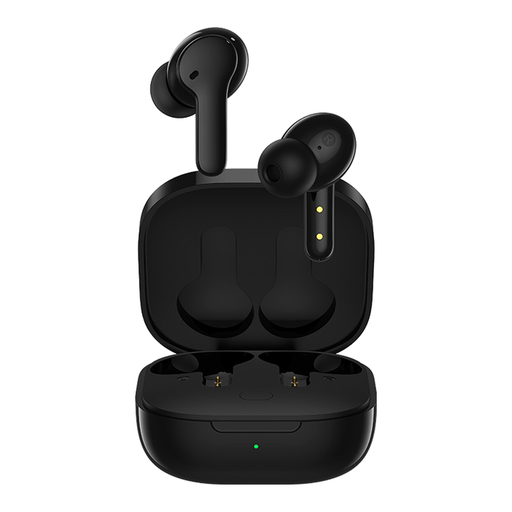 No image available
An option if you find in-ear earphones comfortable; check that the fit feels comfortable in your ears.
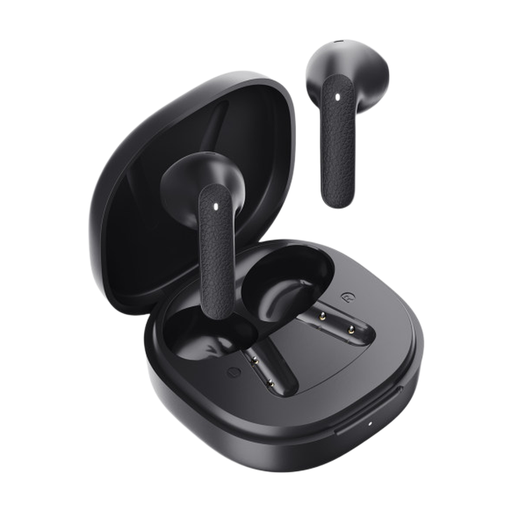 No image available
May suit you if you find the in-ear style comfortable; fit and wearing comfort are personal.
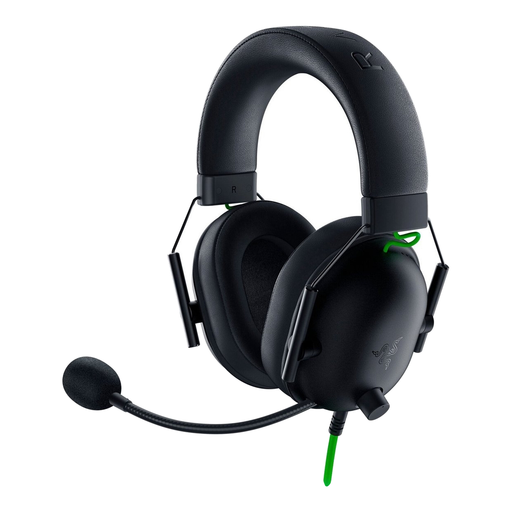 No image available
The wired version is worth considering if you don’t want to pair via Bluetooth; check which connection your playback device has.
The product is described as 7.1 Wired.
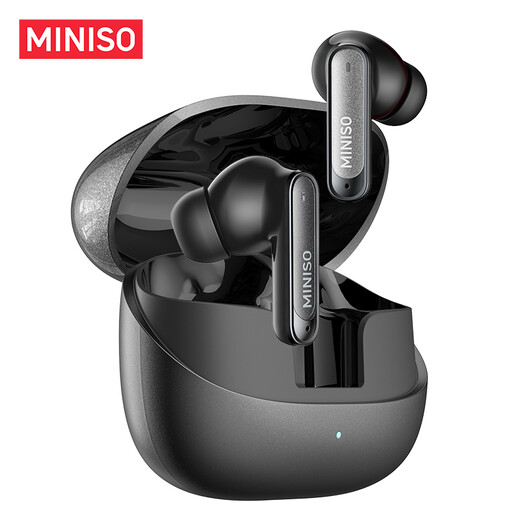 No image available
The wireless in-ear style may suit you if you find earbuds comfortable; check sound leakage and comfort in your own situation.
The product name specifies Bluetooth 6.0.
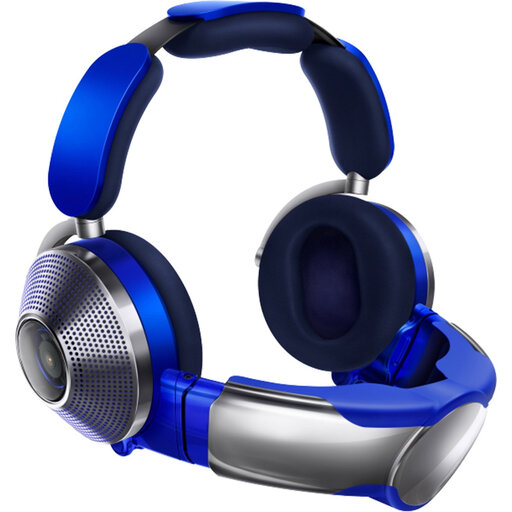 No image available
An option with active noise cancellation; assess sound leakage separately, as noise cancellation doesn’t prove that your roommate won’t hear anything.
Not necessarily: check the fit and sound leakage at your own listening volume. Noise cancelling reduces background noise for the wearer; Sony says changing voices may still be audible.
Only if your TV or a connected audio device has a suitable output. Audio-Technica says the ATH-M20x has a 3.5mm plug and comes with a 6.3mm adapter; check your TV’s output and audio settings.
Start with well-fitting headphones and a low volume that’s still easy to hear, and limit your listening time if needed. The World Health Organization gives a maximum of 40 hours per week at an average of 80 dB as an example. This isn’t a measurement of your device’s sound level.
According to ACM ConsuWijzer, online product purchases generally come with a statutory 14-day cooling-off period from the day of delivery. You’re also covered by the statutory guarantee: with normal use, the product must meet the standard you can reasonably expect. In the Netherlands, this guarantee doesn’t automatically last for a fixed period of two years.