Choose based on where you’ll be listening and whether you’ll only be listening back or recording yourself too. Closed-back headphones with noise cancelling may suit a noisy room, while a wired headset with a microphone can be more practical for making your own recordings. In a quiet room, open-back headphones may be a good fit; open-ear earbuds are an option if you want to stay aware of your surroundings. None of these designs can make an unclear recording clearer, so assess speech using a sample of your own and check the fit, connection and listening volume.
Who is this for?
Listener working with difficult group recordings
You want to follow Dutch speakers and contributions again. Assess the headphones using a representative recording of your own; the Consumers’ Association highlights clear speech in recorded lectures as an important consideration for study use.
Evening learner dealing with background noise
You practise at home while other sounds are around and want to balance noise isolation, comfort and a pleasant listening volume. The World Health Organization points out that sound level, listening time and how often you’re exposed to loud noise all matter.
Learner who also records themselves
As well as listening back to conversations, you want to record your own contributions. Check that the microphone and connection are compatible with the device you’re using.
What should you look for?
Closed-back wireless over-ear headphones
A good fit when: you listen in a noisy room and want to practise wirelessly.
Bear in mind: noise cancelling won’t make an unclear recording clear; check the fit and connection too.
Wired headset with microphone
A good fit when: you want to record your pronunciation or contributions using a compatible computer.
Bear in mind: you don’t need a microphone if you’re only listening back, and the cable limits your freedom to move around.
Open-back wired headphones
A good fit when: you listen in a quiet room and want a wired set-up.
Bear in mind: the open design lets sound pass between you and your surroundings, and it’s no substitute for a headset microphone.
Open-ear earbuds
A good fit when: you want to remain available to talk to while practising.
Bear in mind: distracting background noise will still be audible; staying aware of your surroundings doesn’t guarantee you’ll notice every warning signal.
| Consideration |
What to look for |
Who is this important for? |
| Following speech |
Listen to a representative sample and assess speech at a comfortable volume. |
If you find it difficult to distinguish contributions in a group recording, prioritise speech clarity; around 31% of consumers say this is their most important buying need. |
| Peace and quiet despite background noise |
Compare the fit and, where available, noise cancelling or an ambient sound mode in your own listening space. |
If sounds at home interrupt your evening practice, noise isolation may matter more than staying aware of your surroundings; around 25% of consumers prioritise keeping background noise at bay. |
| Comfort while practising |
Pay attention to pressure from the headband and ear cushions, or try the fit of earbuds. |
If you want to wear the same headphones for repeated practice sessions, you’ll want to know whether they feel comfortable; around 19% of consumers put wearing comfort first. |
| Recording yourself |
Check the microphone, the connection on the exact version and the ports on your device. |
If you also want to record your own contributions, the microphone needs to work with your set-up; around 13% of consumers prioritise a suitable set-up for making their own recordings. |
| Staying available to talk to |
Consider whether an open design or an available ambient sound mode suits your room; neither is a guarantee of safety. |
If you want to stay in touch with the people you live with while listening back, an open design may suit you, although you’ll hear distracting sounds too; around 12% of consumers prioritise awareness of their surroundings. |
Avoiding common buying mistakes
-
Confusing noise cancelling with clear speech
Noise cancelling and how easy it is to understand speech in your recording are two different considerations. A feature on the headphones doesn’t prove that your seminar recording will sound clear.
Before choosing, listen to a sample of your own at a comfortable, low volume.
-
Choosing an open-back model when others are in the same room
An open design lets sound pass between you and your surroundings. This could affect your concentration or that of the people you live with.
Choose an open-back model only if it suits where you’ll be listening and your preference to remain available to talk to.
-
Overlooking a headset’s connection
Headsets may be available in different versions. If the connection isn’t compatible with your device, you may need a different version or a separate adapter.
Check the full product specification and compare it with the ports available on your recording device. Then make a short test recording.
Brands to compare
Sony
The WH-CH720N is a closed-back wireless over-ear option for listening back, with noise cancelling and an ambient sound mode.
- Sony Netherlands lists a connection cable and multipoint settings through the app.
- These model specifications don’t tell you how clear a particular seminar recording will sound. Check the fit and connection with your device.
Jabra
The Evolve2 40 SE is worth considering if you want to record yourself using a compatible computer as well as listen back.
- Jabra describes passive isolation from the ear cushions and ear cups.
- Passive isolation isn’t the same as active noise cancelling. Check which connection option is compatible with your device.
Sennheiser
The wired, open-back HD 560S is an option to compare for listening in a quiet room.
- Sennheiser lists an open design and a detachable cable.
- The open design means background noise may disrupt your practice. Check the connection on your audio source.
Shokz
The OpenFit 2 is an open-ear option for anyone who wants to stay aware of their surroundings while practising.
- Shokz describes an open design and physical controls on this model.
- The open design also lets distracting sounds through. Don’t confuse the OpenFit 2 with the separately described OpenFit 2+.
Products on Joybuy
These products include wired headsets, wireless over-ear headphones and open-ear earbuds for listening back. Check that the connection is compatible with your device and whether you also want to record yourself.
 No image available
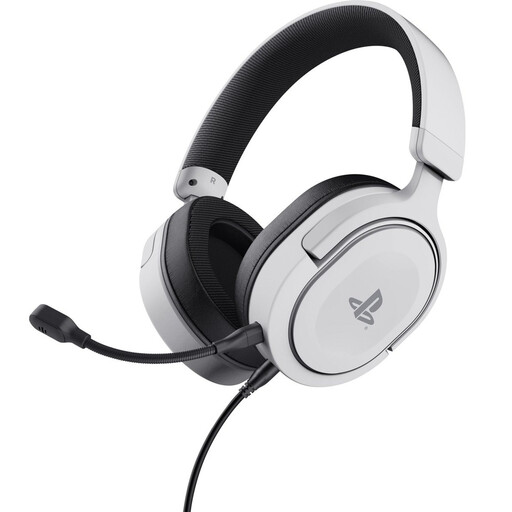
Trust GXT 498W Forta wired gaming headset, 50 mm, over-ear, white
A wired headset with a microphone for listening back and recording yourself, provided your device has a compatible connection.
The product title lists a 3.5 mm connection, a microphone and an over-ear design. Check that your device has a compatible connection.
Joybuy
 No image available
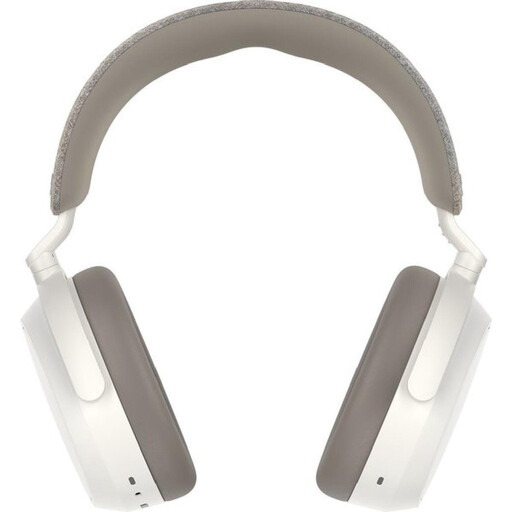
Sennheiser MOMENTUM 4 Wireless, white
Wireless over-ear headphones for listening back; check whether the listening modes described suit your need to stay aware of your surroundings.
The product title lists noise cancelling, a Transparency Mode, 60 hours of battery life and four microphones.
Joybuy
 No image available
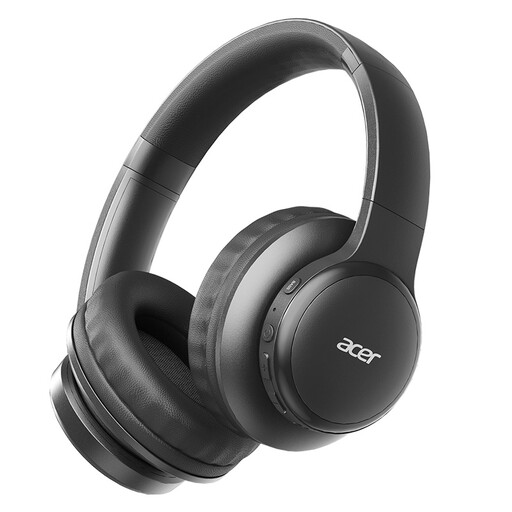
Acer OHR559 OWS wireless headphones
A wireless option for listening back to audio; check beforehand that the connection is suitable for your playback device.
The product title lists Bluetooth 5.3 and a foldable design.
Joybuy
 No image available
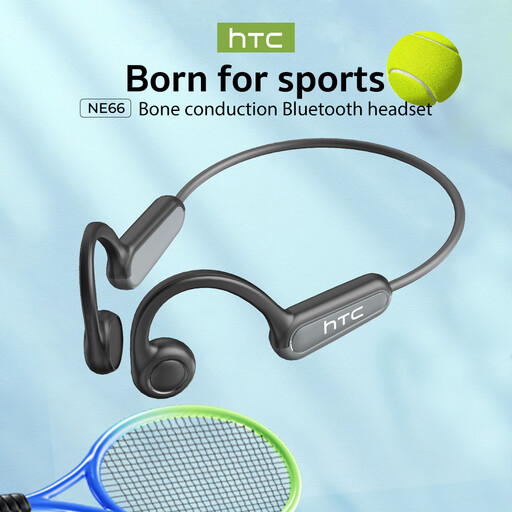
NE66 open-ear bone conduction earbuds, black
An open-ear option if you want to stay aware of your surroundings while listening back; the open design also lets distracting background noise through.
The product title lists Bluetooth 5.4. Check that the connection is compatible with your device.
Joybuy
 No image available
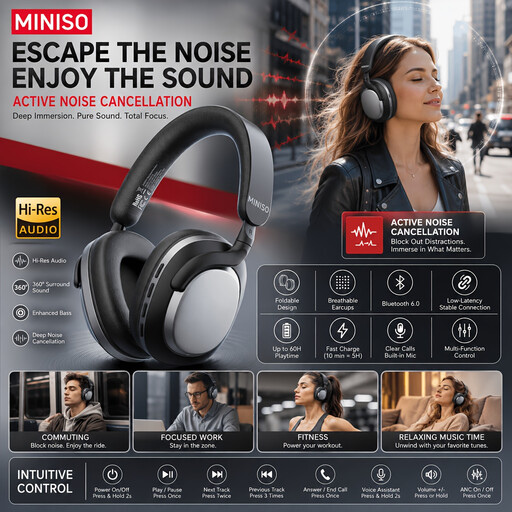
MINISO MG210 wireless over-ear headphones, black
A wireless over-ear option to compare if you want noise cancelling while practising; assess speech using a recording of your own too.
The product title lists noise cancelling and 24 hours of battery life.
Joybuy
Frequently asked questions
Do I need noise cancelling to understand a seminar recording?
Not necessarily. If there’s background noise, well-fitting headphones with noise cancelling may be worth considering, but listen to a recording of your own: noise cancelling can’t fix an unclear source recording.
What connection do I need if I also record myself speaking Dutch?
Check both the port on your computer and the headset’s connection type. Then make a short test recording; if you’re only listening back, you don’t necessarily need a microphone.
How can I listen sensibly during repeated evening sessions?
Keep the volume low and pay attention to how long and how often you listen. The World Health Organization identifies sound level, duration and frequency as factors in exposure to loud noise.
What can I do if the fit isn’t right after buying online?
For online consumer purchases in the Netherlands, you generally have up to 14 days after delivery to change your mind, subject to exceptions. ACM ConsuWijzer also explains that your statutory guarantee for a faulty product is separate from any manufacturer’s guarantee. Before buying, check who the seller is and which returns terms apply.


