What should you look for when choosing?
Start with how well the headphones fit and how clearly they reproduce speech. Then consider how quickly you can pause or let in ambient sound, and finally check the fit and connection with your learning device.
| Buying concern |
What should you check? |
Who is this important for? |
| Hearing speech details |
Listen to the same short recording and check whether you can follow the sounds and sentence stress clearly. Also check that pausing and replaying are easy. |
I want to pick out small differences between pronunciation examples without turning up the volume. Around 29% of consumers say following speech details is their main buying concern. |
| A quiet study space with minimal sound leakage |
Check how the ear cushions or earbuds fit and whether sound leaks onto the table at a normal volume. Assess ANC separately from the passive seal. |
When I study alongside others, I want to reduce background noise without unnecessarily disturbing people at the table with my examples. Around 29% of consumers put a quiet study space first. |
| Being able to respond to others |
Try how quickly you can pause the recording or switch on any available transparency mode. Check whether you can use the controls without your phone. |
I often talk to others while practising and want to respond without having to search for the right control each time. Around 18% of consumers give talking at the table top priority. |
| Fit and connection |
Consider comfort and fit; for a wired model, check the plug and cable length. For a wireless model, make sure your learning device supports the required connection. |
When practising repeatedly, I want headphones that feel comfortable and work with my learning device. For around 24% of consumers, comfort and connection are their main buying concern. |
Headphones at Joybuy
This selection includes wireless over-ear headphones and an in-ear alternative for practising pronunciation at a shared table. For each model, check how easy it is to use the controls when talking to others, and make sure the connection suits your learning device.
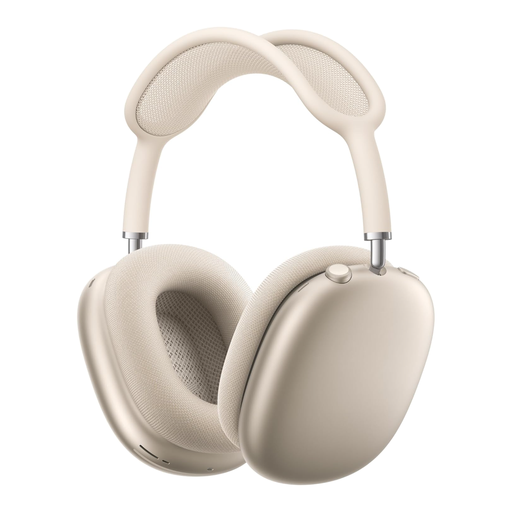 Image unavailable
AirPods Max 2 – Starlight
The description mentions Conversation Awareness and transparency mode for switching between listening and talking to others.
It also mentions an adjustable over-ear fit and active noise cancelling. Check that the fit feels comfortable and see how clearly voices at the table come through.
View at Joybuy
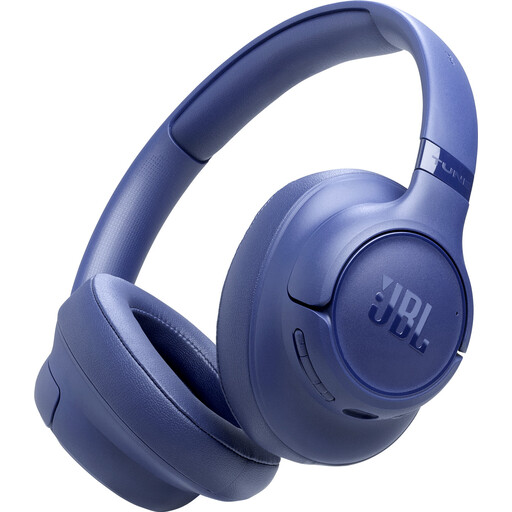 Image unavailable
JBL Tune 730BT – blue
A wireless over-ear option to compare if you want to switch between your learning device and phone.
The product description mentions multipoint for two Bluetooth devices, a foldable design and a Vocal EQ setting. Check which connections your learning device supports.
View at Joybuy
 Image unavailable
Sennheiser MOMENTUM 4 Wireless – black
Transparency mode and on-earcup controls may be useful if you want to switch between listening and talking to others.
The description mentions ANC, an adjustable equaliser, an audio cable included in the box and 42 mm transducers. Check that the cable and controls suit your learning device’s connection and how you use it.
View at Joybuy
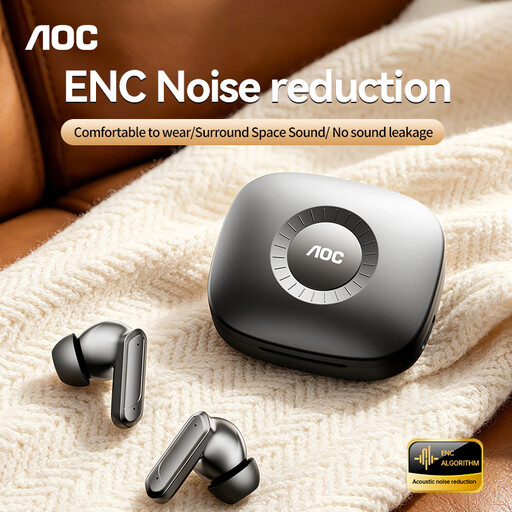 Image unavailable
AOC ACT1661 wireless in-ear earbuds
An in-ear alternative to consider if you have limited space at the table or in your bag, and find earbuds comfortable.
The title mentions Bluetooth 5.4 and touch controls. ENC is listed in the description for calls; it isn’t a noise-cancelling specification for listening to pronunciation examples.
View at Joybuy
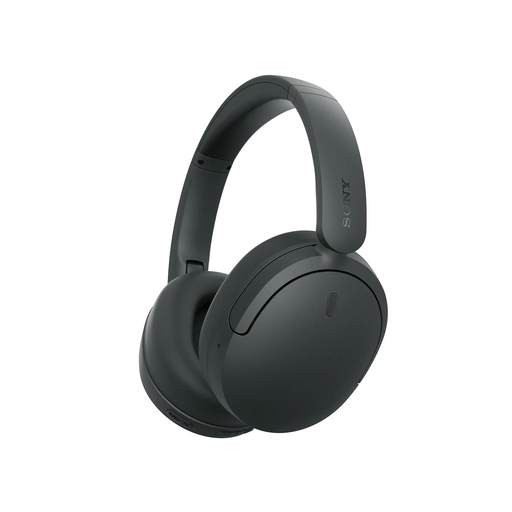 Image unavailable
Sony WH-CH730 – black
The ambient sound mode and play/pause controls described may be useful if you often talk to others while practising.
The product description mentions a closed-back over-ear design, ANC, multipoint and a detachable cable. Check that the wired connection or wireless pairing works with your learning device.
View at Joybuy
Frequently asked questions
Do you need ANC to hear quiet pronunciation examples?
Not necessarily. Start with headphones that fit well and listen to the same recording at a comfortable volume. The Dutch Consumers’ Association says ANC is particularly effective against low humming, so test separately how clearly you can hear conversations at the table.
How can you switch between listening and talking?
Before you start practising, try pausing the recording and, if your model has the feature, switching on transparency mode. With wired headphones, also check that the plug fits your learning device; not every model has a transparency mode.
How can you listen safely during repeated practice?
Don’t turn up the volume to drown out background noise. VeiligheidNL highlights the importance of a good fit to reduce sound leakage; Thuisarts advises keeping the volume at a safe level and using a volume limiter if your device has one.
What are your rights when buying online in the Netherlands?
For a typical online consumer purchase, you usually have up to 14 days after delivery to change your mind, subject to legal exceptions. ACM ConsuWijzer also explains your statutory guarantee if a product is faulty. These rights are separate from any additional warranty you buy, and don’t simply amount to a fixed two-year period in every case.
Does a wireless headset have to have USB-C in the Netherlands?
Since 28 December 2024, EU common charger rules have also applied to headphones that fall within the relevant product category. According to the European Commission and the explanatory text in the Official Journal of the European Union, this includes radio equipment with a rechargeable battery that can be charged via a cable. Check whether the rules apply to the specific model; don’t assume this means a USB-C requirement for a wired-only headset without a battery.


