
Listening back to your own speech
You record a presentation and want to review your word choice, pronunciation, pace and pauses repeatedly. Listen to a clip of your own speech: reproducing speech is different from blocking out background noise.


If you mainly listen to existing recordings in one place, wired, closed-back headphones may be enough if you already have a suitable microphone. If you often record new takes on the same computer, a headset with the right microphone connection is more practical. If you practise in different or noisy places, compare wireless models for fit, controls and noise cancellation; always assess how clear your own recording sounds separately.
You record a presentation and want to review your word choice, pronunciation, pace and pauses repeatedly. Listen to a clip of your own speech: reproducing speech is different from blocking out background noise.
You record several takes on the same computer and want to switch easily between recording and playback. A wired headset may be suitable if the connection is compatible; with Bluetooth, check what happens when the microphone is active.
You listen for long periods or in places with background noise. You’ll need to weigh up fit and sound isolation against being able to hear what’s going on around you.
Suitable if: you mainly listen back in one place, have a compatible audio output and already use a microphone to record new takes.
Trade-off: there’s no pairing or charging required, but the cable limits your freedom to move around.
Suitable if: you regularly record new takes on the same computer and listen back straight away.
Trade-off: check that the USB or other connection is compatible with your computer; microphone noise reduction is not active noise cancellation for your ears.
Suitable if: you listen in different places or find background noise distracting.
Trade-off: you’ll need to pair and charge them; the stated battery life may change when noise cancellation is on.
| What to consider | What to look for | Who this matters to |
|---|---|---|
| Speech reproduction | Play the same recording of your own speech through different models. Pay separate attention to clarity, the sound of your voice and adjustable volume. | If I want to hear the differences between my spoken takes, how my voice sounds is my first criterion. Around 28% of consumers prioritise assessing speech. |
| Recording and listening back | Check your computer’s port and select the right input and output in your recording software. Test a complete recording and playback cycle. | If you record lots of new takes on the same computer, an easy recording and playback workflow matters. Around 22% of consumers give recording convenience top priority. |
| Comfort | Try the headphones for an extended period, including with glasses if you wear them. The Consumers’ Association notes that on-ear headphones are more compact, but can put more pressure on your ears. | If you listen for long periods at a time, pay attention to the pressure from the earcups and headband. Around 22% of consumers prioritise comfort during extended wear. |
| Background noise | Assess noise cancellation separately from speech reproduction and check whether you can easily switch on an ambient sound mode. The Consumers’ Association notes that ANC is particularly effective against a low, continuous hum. | If you practise somewhere with distracting background noise, noise cancellation may help; sometimes, though, you’ll want to hear conversations or announcements. Around 17% of consumers prioritise a quieter environment. |
| Moving around and switching devices | Check that the model can connect to your devices and compare battery life figures using the same settings, with ANC on or off. | If you listen in different places or often switch between devices, freedom of movement and connectivity matter. Around 11% of consumers prioritise mobility. |
Noise reduction in a microphone may be designed to limit noise during calls. That doesn’t mean background noise is actively reduced for the listener.
Check the microphone function, passive isolation and any active noise cancellation in the earcups separately.
The stated maximum battery life can vary by mode. Sony quotes up to 35 hours with noise cancellation on and 50 hours with it off for the WH-CH720N. JBL quotes up to 70 hours with Bluetooth on and ANC off, and up to 44 hours with ANC on for the Tune 770NC.
Compare the figures for the mode you’ll actually use when practising; shorter battery life may mean you need to charge more often.
Apple explains that sound quality on a Mac may decrease when a Bluetooth headset’s microphone is active. Microsoft says stereo during microphone use on Windows 11 is available only under specific conditions, including suitable support from the computer, drivers and Bluetooth LE Audio device.
Make a test recording using the microphone settings you’ll actually use, then listen back on your computer.
ACM ConsuWijzer distinguishes between a seller’s or manufacturer’s warranty and your legal rights against the seller.
Check exactly what any additional cover offers, and consider your legal rights first.
The wired, closed-back ATH-M20x may be suitable for listening back in one place with a compatible audio output.
The H390 with USB-A is an option for recording and playback on a computer with a compatible port.
The Evolve2 40 is designed for a wired computer workflow; different connection and wearing styles are available.
The wireless WH-CH720N may be suitable if you want a cable option, an ambient sound mode and ANC.
The Tune 770NC is a wireless option for listening on the go and switching between devices.
This selection includes wireless over-ear headphones for listening back in different places and a USB-A headset for recording and playback on a computer.
 No image available
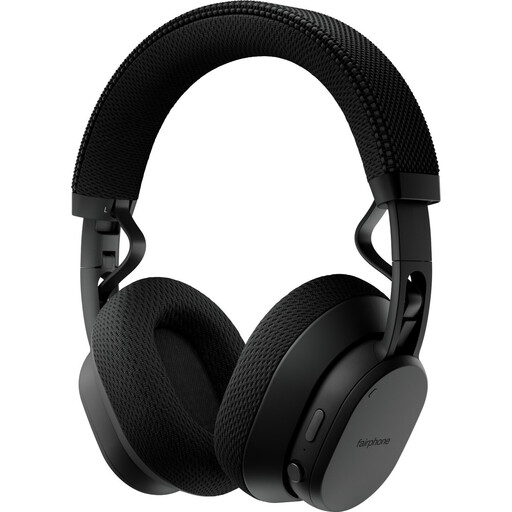
May be suitable if you want to listen back wirelessly in different places and also want a wired option.
The product description lists Bluetooth, noise cancelling, Transparency Mode and an included 3.5 mm audio cable. The title states a battery life of 60 hours.
 No image available
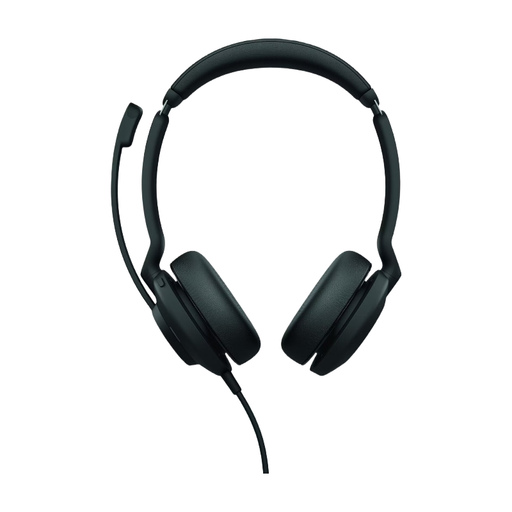
May be suitable if you want to record new takes and listen back straight away on a computer with USB-A.
The product description lists two integrated microphones, stereo speakers and volume and mute controls. A suitable adapter is suggested for devices with USB-C only.
 No image available
May be suitable if you want to listen wirelessly in different places and use an ambient sound mode.
The product description lists Bluetooth, ANC, an ambient sound mode and multipoint. The stated maximum playback time is 30 hours with ANC off and 26 hours with ANC on.
 No image available
May be suitable if you want to listen back wirelessly and also want a wired listening option.
The product description lists a closed-back over-ear design, active noise cancellation, Bluetooth and an included 3.5 mm cable.
 No image available
May be suitable if you want to listen back wirelessly, switch between devices and use an ambient sound mode.
The product description lists noise cancelling, multipoint and an ambient sound mode. Sony specifies up to 35 hours with ANC on and 50 hours with ANC off.
Not if you’re only playing existing recordings and already have a suitable microphone. If you often record new takes, a headset with a microphone may make it easier to switch between tasks; check the connection and test both recording and playback.
According to Apple, sound quality on a Mac may decrease as soon as an app uses the Bluetooth headset’s microphone. Microsoft says stereo during microphone use on Windows 11 is available only under specific conditions, including support from the computer, drivers and a compatible Bluetooth LE Audio device. Test the input and output devices in your own recording software.
Keep the volume low and take breaks. The World Health Organization points out that exposure depends on volume, duration and frequency. It gives an average of 80 dB for up to 40 hours per week as an example; this isn’t a guaranteed safe setting at every volume level.
Check your model’s manual before cleaning and take care with the cable and ear cushions. If you have wireless headphones, check the charge before a long session; stated battery life can vary depending on the ANC mode.
According to ACM ConsuWijzer, online purchases generally come with a statutory 14-day cooling-off period after delivery, subject to exceptions depending on the specific purchase. You also have legal rights if the product doesn’t perform as you could reasonably expect under normal use; a manufacturer’s warranty or an additional warranty doesn’t replace those rights.