What should you look for when buying?
First decide whether you’ll only be listening back to passages or playing along at the same time. Then choose a listening setup that suits your equipment and shared room.
| What to consider |
What should you check? |
Who does this matter to? |
| Sound leakage |
Look for a closed-back design, and check the fit and how much sound can be heard outside the earcups. |
If I’m practising next to a flatmate, I want to avoid them hearing my audio unnecessarily. Around 36% of consumers in this practice scenario prioritise sound leakage. |
| Latency when playing along |
Check how the guitar and backing track are routed to the headphones; standard Bluetooth can have noticeably more latency than wired listening. |
If you want your playing to line up with the backing track, prioritise a low-latency listening setup. This is the main concern for around 29% of consumers in this scenario. |
| Long listening sessions |
Check the ear cushions and clamping force, and make sure the cable and plug are compatible with your playback source. |
If I’m repeating a passage often, I want to keep hearing the details clearly without the headphones becoming uncomfortable. Around 21% of consumers prioritise comfortable, detailed listening. |
| Freedom of movement |
Distinguish between standard Bluetooth audio and a guitar system with its own wireless connection; also check the transmitter and charging requirements. |
If I want to play without a headphone cable, I’m looking for a wireless setup that’s also suitable for guitar. Around 14% of consumers put freedom of movement first when choosing. |
Headphones at Joybuy
These Joybuy products are headphones for listening back to guitar solos. If you want to play along at the same time, check that your chosen listening setup has sufficiently low latency.
 No image available
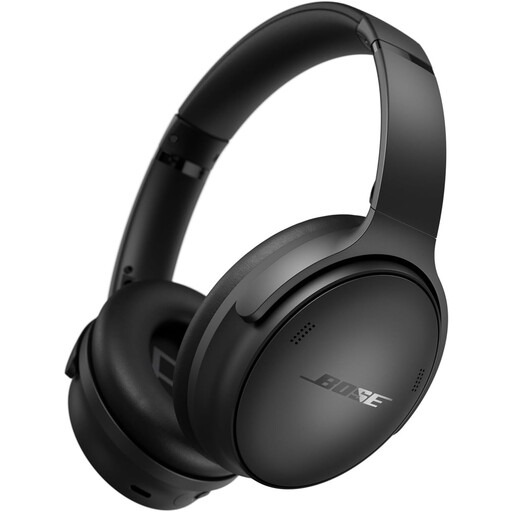
Bose QuietComfort SC, black
The product description recommends this model for longer listening sessions; check the fit for yourself and how much sound your flatmate can hear.
View at Joybuy
 No image available
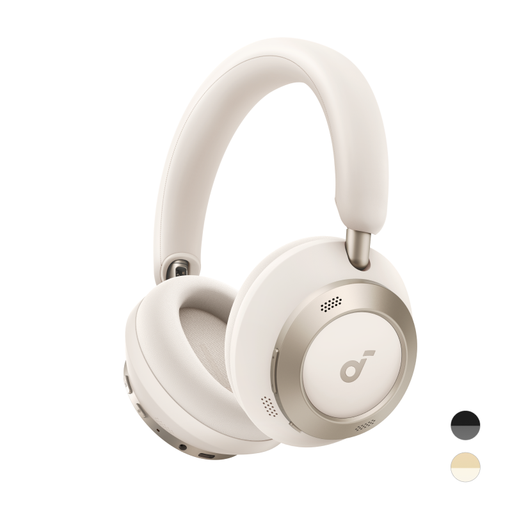
Soundcore by Anker Space One Pro
The product information highlights comfort features for longer listening sessions; if you repeat passages often, check the fit for yourself.
The product name mentions LDAC and 60 hours of battery life. If you want to play along at the same time, you’ll need to check the latency of your entire wireless setup separately: Ableton explains that Bluetooth has more latency than wired listening.
View at Joybuy
 No image available
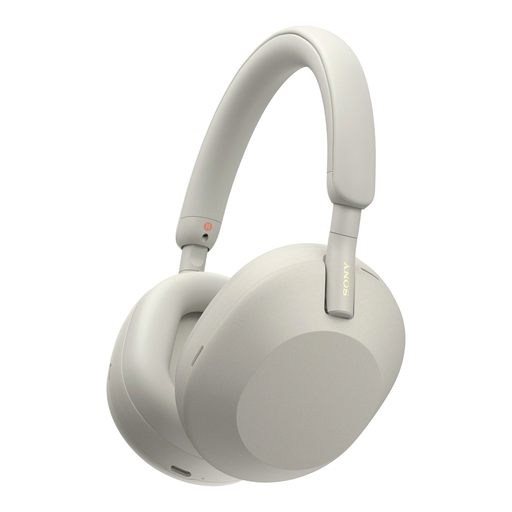
Sony WH-1000XM5, silver
These wireless headphones could work well for listening back to passages; if you want to play along at the same time, potential Bluetooth latency is still worth bearing in mind.
Ableton explains that Bluetooth audio has more latency than wired listening. So before playing along, check whether the latency of your complete setup is acceptable.
View at Joybuy
 No image available
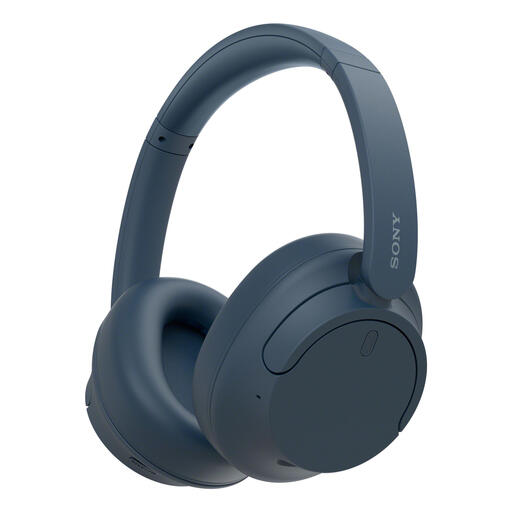
Sony WH-CH720N, blue
The over-ear design could suit repeated listening; check that the fit feels comfortable and that the sound leakage is suitable for a shared room.
The product name states up to 35 hours of battery life and fast charging. According to Ableton, Bluetooth can have more latency than wired listening, which matters if you want to play along at the same time.
View at Joybuy
Frequently asked questions
Can I hear my guitar and the backing track through the same headphones?
Yes, if your setup can send both signals to the same headphone output. Focusrite describes direct monitoring on supported interfaces as a way to hear the input signal with virtually no monitoring latency while software plays a backing track. Check the features of your amplifier or interface.
Will headphones make electric guitar practice silent for my flatmate?
No, not completely: the strings and picking will still be audible acoustically. BOSS says that the headphone output on a Katana disables its speaker, but this doesn’t automatically apply to every amplifier, and it won’t silence the instrument itself.
How can I keep the volume at a safe level when repeating a passage?
Keep the volume low and pay attention to how long you listen. The World Health Organization stresses that both sound level and exposure time matter. A well-fitting pair of headphones can also help you avoid turning the volume up to drown out background noise.
What should I check if a cable or ear cushion wears out?
Check which parts are made for your exact model and whether they’re available. Audio-Technica specifies a detachable cable for the ATH-M40x; Sennheiser lists replaceable ear cushions for the HD 280 PRO 506845.
What are the rules in the Netherlands for online purchases or faulty products?
For online purchases from a business, you generally have a 14-day cooling-off period, although exceptions may vary depending on the purchase. The Dutch government states that you’re entitled to a product that is fit for purpose and that there is no fixed statutory warranty period in the Netherlands; a manufacturer’s warranty is in addition to your statutory rights. Check the terms that apply to your purchase.


