
Listener in noisy common areas
You want to follow spoken poetry when conversations or ventilation noise are distracting, so you’re looking for a good seal, clear vocals and a comfortable fit.


If you mainly listen while sitting in a noisy indoor space, a well-fitting, closed-back model is better suited to the setting. When you’re out and about, open-ear headphones may be a better choice if you want to stay aware of surrounding sounds. VeiligheidNL notes that a good seal can help you listen at a lower volume, but fit and how clearly a particular spoken-word performance comes through are personal considerations. So compare battery life with noise cancellation switched on, as well as how easy the controls are to use between listening sessions.
You want to follow spoken poetry when conversations or ventilation noise are distracting, so you’re looking for a good seal, clear vocals and a comfortable fit.
You want to listen to a performance between lectures while still being able to hear announcements and traffic.
You want to put your headphones away and get them out again quickly, weighing up size against noise isolation and comfort.
A good choice if: you mainly listen while sitting in a noisy space and find a headband comfortable.
Bear in mind: over-ear headphones take up more bag space than in-ears and may be less suitable if you want to hear traffic or announcements while out and about.
A good choice if: a compact size is important and the earbuds fit comfortably in your ears.
Bear in mind: fit affects how well they seal; also check the earbuds’ own playback time, separately from the charging case.
A good choice if: you want to hear more of your surroundings while on the move or don’t want earbuds in your ears.
Bear in mind: the open design lets in more ambient sound, which can make a quiet performance harder to follow in a busy place.
| Consideration | What to look for | Who it matters to |
|---|---|---|
| Clarity when there’s background noise | Check the fit and seal; if possible, try a spoken-word recording at a comfortable volume. | If conversations or ventilation noise mask words, I want to be able to follow voices without constantly turning up the volume. Around 31% of consumers say clarity in noisy surroundings is their main concern when buying. |
| Hearing your surroundings while out and about | Consider whether you’ll also be cycling and check that you can still hear announcements; keep the volume low. | When I’m moving around campus, I want to stay aware of traffic and announcements. Around 25% of consumers prioritise awareness of their surroundings while out and about. |
| Easy to carry and put away | Compare the packed size, whether the model folds and how it feels to wear. | Between lectures, I want to be able to put my headphones away and get them out again quickly. Portability is the main buying concern for around 25% of consumers. |
| Battery, comfort and long-term use | Compare battery life using the same ANC setting, check the fit and see which parts are available for the exact model. | I want to know whether the headphones will stay comfortable and last through my listening sessions. Around 19% of consumers prioritise battery life and long-term usability. |
The quoted maximum battery life can vary depending on whether noise cancellation is switched on or off. So the highest figure doesn’t necessarily tell you how long you’ll be able to listen in your chosen mode.
Compare the quoted hours using the same setting, and treat maximum figures as estimates rather than guaranteed playback time.
An open design lets in surrounding sounds. That may suit your needs while you’re out and about, but quiet spoken-word audio can be harder to follow in a noisy place.
Choose based on where you’ll listen most often, and try spoken-word audio at a comfortable, low volume.
An optional warranty product is separate from your statutory rights if a product is faulty. According to the Dutch government, the retailer is your point of contact if a product is defective.
Check exactly what an additional cover plan includes, and contact the retailer if there’s a problem with the product.
The WH-CH720N is an example of a lightweight over-ear model with ANC and an ambient sound mode, worth comparing for listening indoors.
The Space One is a foldable over-ear model with ANC and adjustable transparency, for those who move between quieter and noisier places.
The Fairbuds XL is worth comparing if replaceable parts and an over-ear design matter more to you than the smallest possible size.
The OpenRun is a bone-conduction alternative for anyone who wants to keep their ear canals clear while on the move.
The Tune 780NC is a foldable over-ear model with ANC and an ambient mode, worth comparing if you switch between devices and listening spots.
This selection includes compact in-ears and closed-back over-ear models to compare for listening between lectures, from a small common room to a busier indoor space.
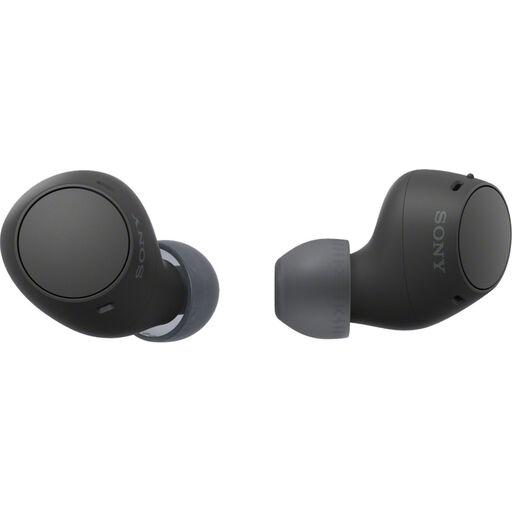 No image available
A compact option to carry between lectures, for anyone who sometimes wants to stay aware of their surroundings without taking their earbuds out.
The product name lists 22 hours of battery life, multipoint and IPX4.
 No image available
An over-ear model to consider if you mainly listen indoors and want to switch between a more isolated listening experience and ambient sound.
The product name lists 60 hours of battery life, fast charging and 4 microphones.
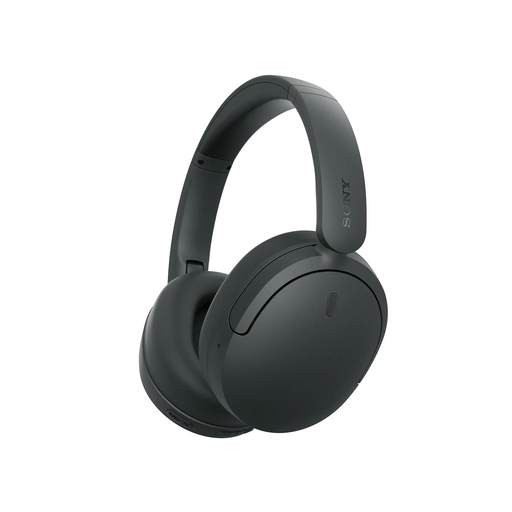 No image available
A foldable over-ear model to compare if you want to put your headphones away between sessions; this type takes up more space than in-ears.
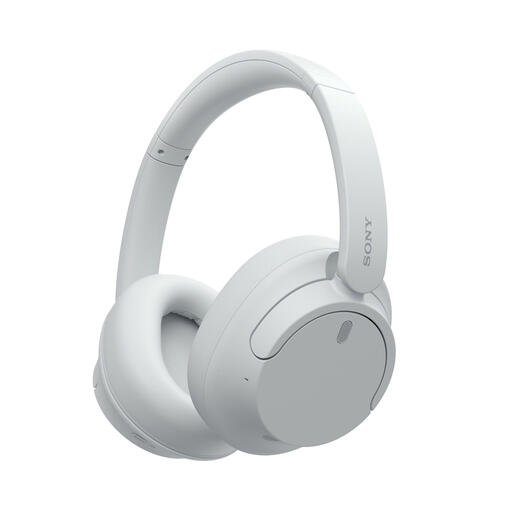 No image available
An over-ear model to consider for listening indoors if you want to compare noise cancellation with an ambient sound mode.
Sony Netherlands lists the model at around 192 g, with up to 35 hours of battery life with noise cancellation on, compared with 50 hours with it off.
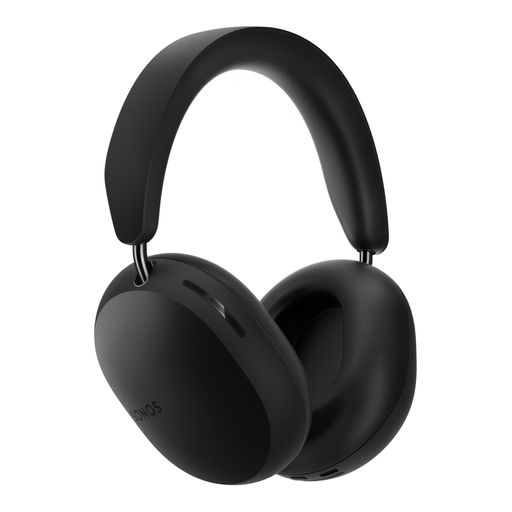 No image available
An over-ear option to compare if you mainly listen indoors and sometimes want to let in more of your surroundings while listening.
Not always. A well-fitting pair of closed-back headphones can already help you listen at a lower volume. ANC is mainly designed to reduce background noise; also compare how voices sound, and bear in mind that ANC doesn’t reduce every sound equally.
According to the Dutch government, you can listen to music hands-free while driving, but you must not hold an electronic device. That doesn’t mean every listening set-up is safe in every traffic situation; think about what you need to be able to hear around you.
Start with ear cushions or tips that fit comfortably, then set the volume to a comfortable, low level. Compare the standard mode, ANC and ambient mode on the model you choose, and check its battery life using the setting you’ll use.
Keep an eye on both the volume and how long you listen for. VeiligheidNL gives 80 dB for 8 hours a day, or 40 hours a week, as an example; this is an exposure example, not a measured headphone setting. A good seal can reduce the temptation to drown out background noise by turning up the volume.
For an online purchase from a business, you generally have a 14-day cooling-off period, according to the Dutch government. This is separate from your rights if a product is faulty; in that case, the retailer is your point of contact. The Dutch government also states that there is no fixed statutory warranty period in the Netherlands. Check the terms that apply to your specific purchase.