
Listener with noisy housemates
Wants conversations or other background noise to be less distracting when listening to spoken-word podcasts. Compares fit and ANC without expecting every voice to disappear.


For listening to podcasts in a shared home, a well-fitting closed-back pair of headphones or noise-isolating in-ear headphones is a sensible place to start. Closed-back models generally leak less sound than open-back models, according to RTINGS.com, but no fit can guarantee that your housemates won’t hear anything. ANC can help if background noise distracts you, but it won’t necessarily make conversations inaudible. Compare the fit and how clearly speech comes through, too: the Dutch Consumers’ Association includes speech clips when assessing headphones. Listening with a cable and no battery only works if the specific model supports it.
Wants conversations or other background noise to be less distracting when listening to spoken-word podcasts. Compares fit and ANC without expecting every voice to disappear.
Listens for long periods, so comfort, natural-sounding speech and battery life or wired use are important.
Wants to stop housemates from hearing the podcast and pays attention to sound leakage, listening volume and the practicalities of using a cable.
Start with the fit and how much background noise you want to block out. Then consider how much sound might leak to your housemates, comfort during long episodes and whether you can keep listening without stopping to recharge.
Several factors can matter when you listen to podcasts in a shared home. Use the table to work out which trade-off matters most in your situation.
| Buying concern | What should you look for? | Who is this most important for? |
|---|---|---|
| Hearing speech clearly over background noise | Compare the fit and ANC; for podcasts, pay attention to how clearly speech comes through, too. | If conversations at home distract you, you’ll want to follow spoken content without constantly turning up the volume. Around 33% of consumers put speech clarity over background noise at the top of their list. |
| Sound that housemates can hear | Compare closed-back and open-back designs, and check at a normal volume whether someone sitting next to you can hear the podcast. | If you don’t want to disturb others in the same room, pay particular attention to sound leakage and listening volume. Around 27% of consumers give minimal sound leakage top priority. |
| Comfort during long episodes | If possible, try the fit and check for pressure points, including if you wear glasses. | For long listening sessions, you’ll want a model that stays comfortable. Around 20% of consumers put wearing comfort first. |
| Listening without interruption | Check the battery life with ANC on and whether the model supports passive wired use with your connection. | If you don’t want to stop halfway through an episode to recharge, check the battery life and whether there’s a suitable wired option. Around 20% of consumers put uninterrupted listening at the top of their list. |
ANC reduces the sound you hear; the fit and listening volume also affect how much audio leaks out. Closed-back models generally leak less than open-back models, but they aren’t automatically leak-proof.
Check the design and try listening at a normal volume while someone else is in the room.
Battery life can vary depending on whether ANC is on or off. Fairphone states that the Fairbuds XL lasts up to 30 hours with ANC off and 26 hours with ANC on.
Only compare battery life figures with the same ANC setting, and check whether your model supports wired listening.
Open-back models generally let more sound in and can therefore leak more audio to housemates.
Choose an open-back design only if staying aware of your surroundings matters more to you, and check at a normal volume whether others can hear the podcast.
The WH-CH720N is an example of a wireless over-ear model with ANC and an ambient sound mode.
According to JBL, the Tune 770NC combines wireless listening, ANC, an ambient sound mode and connection to two Bluetooth devices.
The ACCENTUM Wireless is a wireless over-ear model with hybrid ANC.
The ATH-M40x is a closed-back wired option with no ANC.
The Fairbuds XL is a wireless over-ear model for consumers who value replaceable parts.
This selection includes wireless in-ear and on-ear options, wireless headphones and a wired gaming headset to compare for listening to podcasts in a shared home.
 No image available
An option if you’re looking for true wireless in-ear headphones with ANC. The seal and comfort are personal, so pay attention to the fit.
True wireless in-ear headphones, ANC, black.
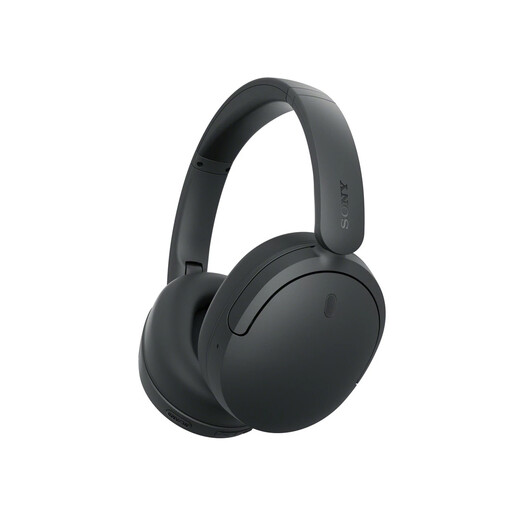 No image available
Could suit you if you want to listen to podcasts wirelessly and want to factor ANC into your choice. Assess the fit and how voices sound in your room.
Wireless headphones, black.
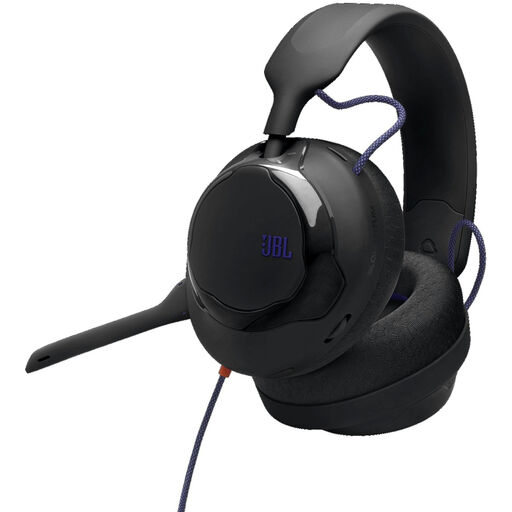 No image available
A wired option if you don’t want to use a wireless connection; check that the connector works with your phone or computer.
Wired multiplatform gaming headset, black.
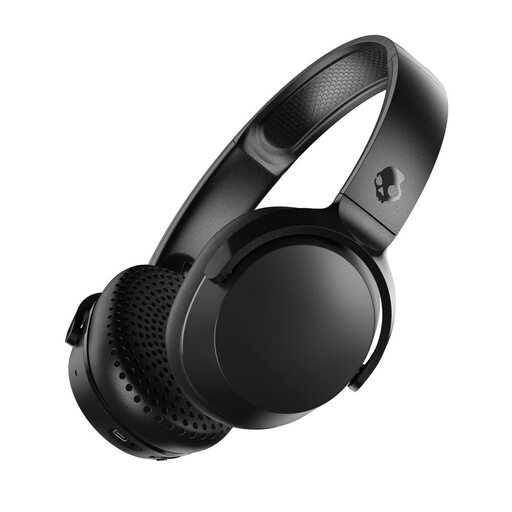 No image available
For anyone considering an on-ear model and weighing up wireless versus wired listening; check that the cable option works with your source device.
Wireless on-ear model, black.
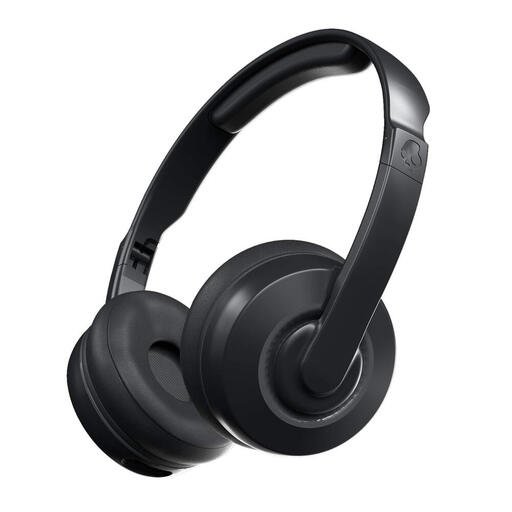 No image available
A wireless on-ear option; for long episodes, pay particular attention to the fit and whether the headphones stay comfortable.
Wireless on-ear model, black.
ANC can reduce background noise, but don’t expect silence. The Dutch Consumers’ Association says it is most effective at reducing low engine noise, so consider speech and fit in the context of your own home, too.
Keep the volume low and take breaks. The World Health Organization gives an average of 80 dB for up to 40 hours per week as a reference point. It recommends well-fitting headphones, possibly with noise cancellation, so you’re less likely to turn up the volume in noisy surroundings. This is health advice, not a legal volume limit for buyers.
Only if the specific model supports passive wired use and your source device has a compatible connection. Sony says the WH-CH720N supports passive use; don’t assume another model does just because it comes with a cable.
Many online purchases from a business come with a 14-day cooling-off period; check the terms that apply to your order. The Dutch Government also states that there is no fixed legal warranty period of two years in the Netherlands: if a product is faulty, contact the seller about your statutory warranty.
Radio equipment must meet the applicable requirements and carry a CE mark. The Dutch Authority for Digital Infrastructure explains that only equipment which meets the applicable requirements and carries a CE mark may be sold in Europe. This alone says nothing about whether a particular model or individual listing complies.