A well-fitting pair of closed-back headphones is usually the most practical starting point if you want to stop your roommate hearing your piano recital; how well they block sound also depends on the fit. Consider ANC mainly when noise in the room masks quieter passages, but don’t expect complete silence. Open-back headphones are worth considering only if sound leakage isn’t a concern; also check the connection, comfort and volume.
Who is this for?
Listening beside a sleeping roommate
You want to listen to a recital without disturbing your roommate. A closed-back design is a sensible starting point; check how well it seals with your fit and usual listening volume. Audio-Technica explains the difference between open-back and closed-back designs.
Listening in a noisy room
You want to follow quiet piano passages despite the noise around you. Compare passive isolation with ANC, and don’t assume ANC will block out every voice.
Listening to a long recital
You listen for longer stretches, so consider pressure around your ears, how well the headphones fit and keeping the volume moderate. If the room is quiet, you could also compare an open-back design.
What should you consider when choosing?
Closed-back, wired over-ear
A good fit if: you mainly want to limit sound leakage to your roommate and your playback device has a suitable headphone socket.
Bear in mind: how well they seal varies with the fit; a wired model doesn’t have active noise cancellation.
Closed-back over-ear with ANC
A good fit if: background noise disrupts your listening and you want active noise cancellation as well as isolation.
Bear in mind: ANC doesn’t guarantee that conversations will disappear; also check the battery life with ANC on and whether wired listening is possible.
Open-back, wired over-ear
A good fit if: the room is quiet, your roommate is happy with some sound leakage and you want to compare an open presentation.
Bear in mind: an open-back design lets sound in and out, so it isn’t the first choice when someone nearby needs quiet.
First decide whether sound leakage is acceptable, then consider whether noise in the room makes ANC useful. The percentages below show the main purchasing concern for consumers in each row.
| Purchasing concern |
What to look for |
Who is it more important to? |
| Sound leakage to your roommate |
Compare open-back and closed-back earcups, and check at your usual volume whether the other person can hear the music. |
I want to listen without disturbing my roommate; around 36% of consumers say sound leakage is their main purchasing concern. |
| Disruptive noise during quiet passages |
Compare passive isolation and, if relevant, ANC with the usual background noise in your room. |
If noise in the room masks quiet passages, I want to be able to follow them; around 29% of consumers prioritise reducing background noise. |
| Comfort throughout a full recital |
When trying them on, check for pressure around your ears, glasses and headband; for wireless models, check the stated battery life in the mode you want to use. |
I want to listen comfortably to a long recital; around 21% of consumers say long-wear comfort is their main purchasing concern. |
| Spacious sound and connectivity |
Consider an open-back design only if sound leakage is acceptable, and check that the cable and plug work with your playback device. |
I want to compare an open presentation, but only if the music won’t disturb my roommate; around 14% of consumers prioritise spacious sound. |
Common mistakes
-
Choosing open-back headphones without considering your roommate
An open-back design can offer a spacious presentation, but it also lets sound through and isn’t designed to limit sound leakage.
First check whether audible music will be acceptable. If not, start with a closed-back model.
-
Assuming ANC means no sound leakage or complete silence
ANC and limiting the music someone else can hear are two different purchasing considerations. ANC performance also depends on the type of background noise.
Assess how well the headphones fit and how much sound leaks out separately from how well they reduce noise in your room.
-
Assuming every version of a model is the same
The beyerdynamic DT 770 PRO is available in 32, 80 and 250 ohm versions; the right one depends on your playback source.
Before ordering, compare the full model name and impedance with your device’s capabilities.
-
Turning the volume up higher and higher to hear quiet passages
According to the World Health Organization, both sound level and listening time contribute to the risk to your hearing.
First try improving the fit or reducing disruptive background noise. Listen at a moderate volume and take breaks.
Brands to consider
Audio-Technica
The closed-back, wired ATH-M50x is one option for comparing passive isolation.
- Audio-Technica lists detachable cables and around-ear earcups for the ATH-M50x.
- It isn’t an ANC model. How well the earcups seal also depends on the fit; this doesn’t assess how it performs with a particular piano recording.
beyerdynamic
The closed-back, wired DT 770 PRO comes in versions for different playback sources.
- beyerdynamic lists 32, 80 and 250 ohm versions, as well as replaceable earpads.
- Choose the impedance with your playback source in mind. The model specifications aren’t an independent listening test.
Sennheiser
The HD 620S and HD 560S show the practical difference between closed-back and open-back designs.
- Sennheiser describes the HD 620S as a closed-back model and the HD 560S as an open-back model.
- Sound leakage from the open-back HD 560S is still a consideration in a shared bedroom. Claims of natural or detailed sound are the manufacturer’s claims, not an independent assessment.
Sony
The closed-back WH-1000XM6 is an example of wireless listening with ANC and the option to connect by cable.
- Sony Netherlands lists a stereo mini jack input and a maximum battery life of 30 hours with noise cancelling on and 40 hours with noise cancelling off.
- These are maximum figures from the manufacturer; they don’t mean that conversations in the room will be completely muted.
Joybuy product picks
These Joybuy product picks are aimed at over-ear music listening. Compare sound leakage, background noise, connectivity and comfort for your bedroom and playback device for each model.
 No image available
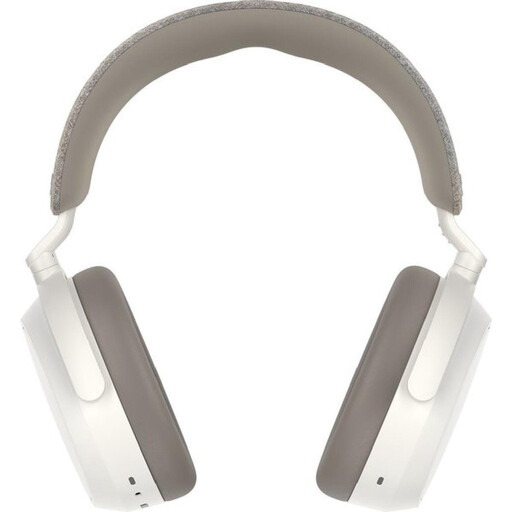
Sennheiser MOMENTUM 4 Wireless, Noise Cancelling, 60u, white
Could suit you if you’re looking for wireless over-ear headphones with noise cancelling for longer listening sessions.
The product name states a battery life of 60u.
View at Joybuy
 No image available
Bose QuietComfort Ultra Bluetooth Headphones, Black
An option to compare if you’re looking for wireless headphones and want to reduce background noise; check the fit and features of the version you choose.
The product name mentions Bluetooth and the colour Black.
View at Joybuy
 No image available
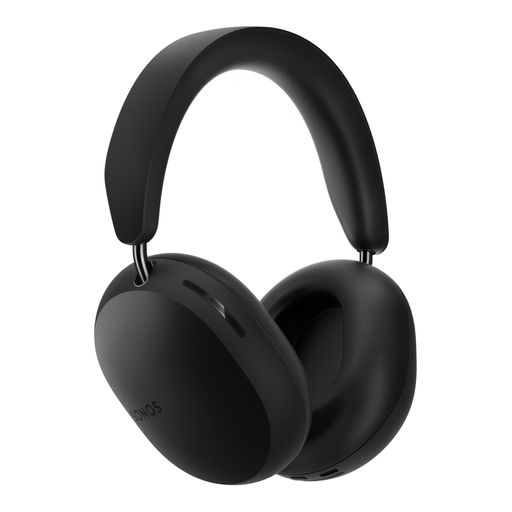
Sonos ACE Over-Ear Bluetooth Headset, Black
Could suit you if you want to compare wireless over-ear headphones for a longer recital; also consider comfort and the connection you need when choosing.
The product name mentions Bluetooth and the colour Black.
View at Joybuy
 No image available
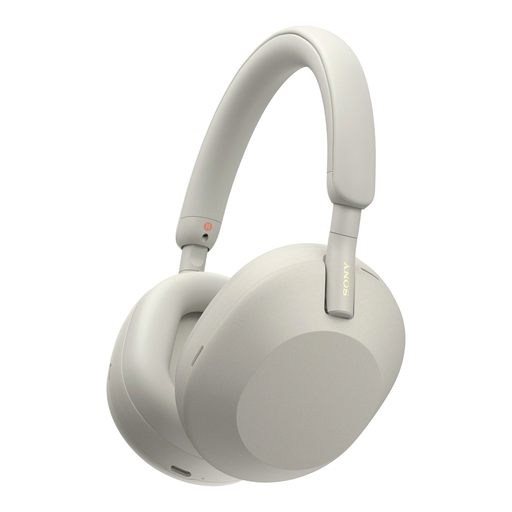
Sony WH-1000XM5 Wireless Headphones with Noise Cancelling, Silver
Could suit you if you want to follow quiet passages using wireless over-ear headphones that, according to the product name, feature noise cancelling.
The product name mentions wireless use, noise cancelling and the colour Silver.
View at Joybuy
 No image available
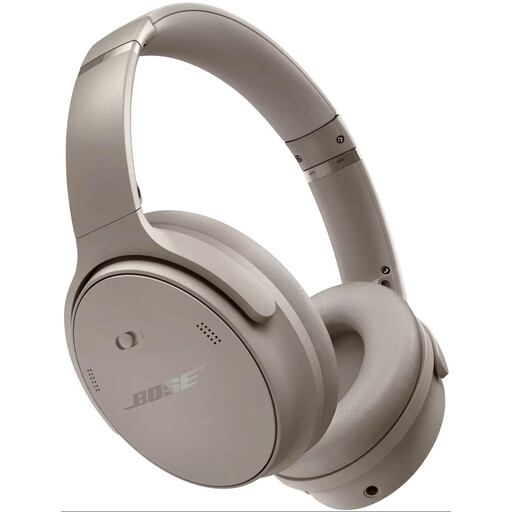
Bose QuietComfort Headphones, Sandstone
An option to compare if you want to reduce background noise while listening; check the features and fit of the exact version.
The product name mentions the QuietComfort Headphones and the colour Sandstone.
View at Joybuy
Frequently asked questions
Will noise cancelling completely block out a roommate who is talking?
No, don’t expect complete silence. Consumentenbond describes ANC as being most effective against a low, continuous hum; assess speech in your room separately and bear the fit in mind.
How do I connect wired headphones?
Check the output on your playback device and the plug or adapter supplied with the exact model. Audio-Technica lists detachable cables and a 6.3mm adapter among the features of the ATH-M50x; Sony lists a stereo mini jack input for the WH-1000XM6.
How can I listen to a long recital safely?
Keep the volume moderate and take breaks. The World Health Organization gives listening at an average of 80 dB for up to 40 hours a week as an example; safe listening time falls sharply at higher sound levels. This figure isn’t a volume setting that you can read directly from a specific pair of headphones.
What are my rights when buying online and if a product is faulty in the Netherlands?
According to ACM ConsuWijzer, for a standard online consumer purchase you generally have a statutory cooling-off period of up to 14 days after delivery, with some exceptions. You’re also covered by the statutory guarantee: if a product doesn’t perform as you could reasonably expect under normal use, the seller is responsible for providing a suitable solution at no cost. There isn’t a standard two-year guarantee period that applies to every pair of headphones.


